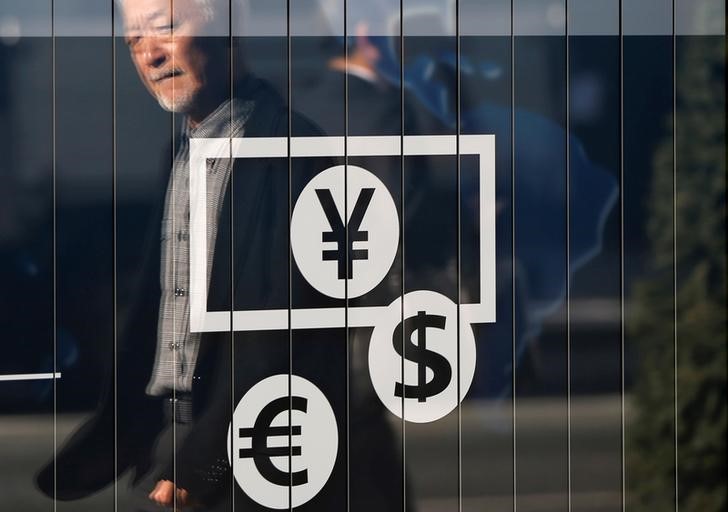
Brent is trading near $115/bbl (Asian spot cited ~ $150/bbl) as UBS warns the Iran conflict could push oil well above 2022 spikes — even toward $200/bbl — creating risk of a global mobility shock. UBS expects FX volatility to rise roughly 4 percentage points and has revised forecasts (DXY ~102, EUR/USD ~1.15 by end-June from 1.20; USD/JPY to 155 in June), heightening currency and inflation risks. Major central banks largely held rates while the RBA hiked 25bps to 4.1%; UBS still sees scope for a 25bp Fed cut later but cautions that sustained high energy prices would change the policy outlook and lift market volatility.
An energy-driven shock that sustains above a cyclical threshold is likely to re-price real rates, not just nominal policy settings. Central banks will face a policy dilemma: tighten to anchor inflation expectations or tolerate lower real rates to avoid growth damage; that tug-of-war should increase cross-asset dispersion between real-rate sensitive assets (duration, growth) and commodity-exposed assets (producers, industrials) over the next 1–6 months.
Second-order winners include balance-sheet-light, high-margin upstream producers and parts of the insurance/reinsurance complex that can re-price political/shipping risk quickly; losers include high-operating-leverage transport and leisure companies and current-account deficit sovereigns that will see FX reserve drawdowns and widening CDS spreads. Expect credit migrate: within 3 months higher-cost borrowers in energy-importing EMs will show the first signs of stress, and within 6–12 months industrial capex plans will shift toward faster-return projects and away from discretionary investment.
Catalysts that will materially change this path are binary and time-sensitive: either a coordinated supply release/ceasefire that collapses realized volatility over days, or a targeted disruption to critical export infrastructure that pushes the shock into a multi-quarter supply-short regime. Track five practical lead indicators for tactical allocation shifts: term-structure of oil futures (front vs second month), crude volatility (1M vs 3M), shipping insurance/war-premium levels, EM FX reserve trajectories, and cross-currency basis movements.
AI-powered research, real-time alerts, and portfolio analytics for institutional investors.
Overall Sentiment
mildly negative
Sentiment Score
-0.30
Ticker Sentiment
