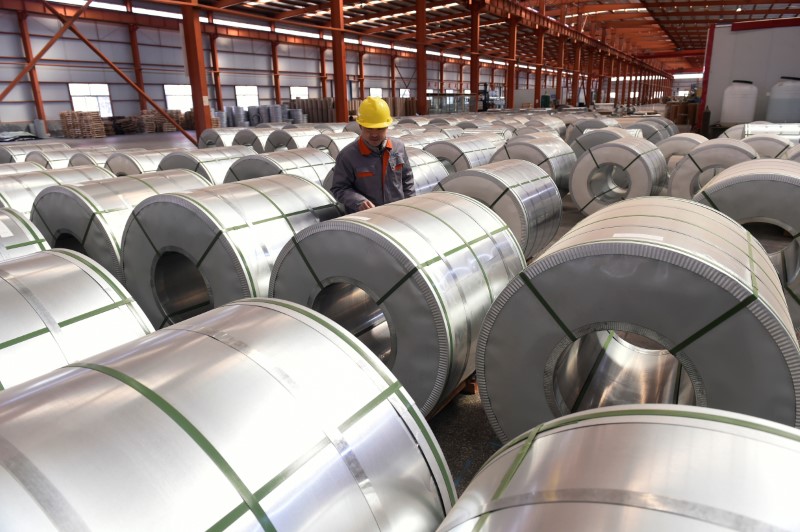
Aluminium surged to $3,707.50 a metric ton, its highest level since March 2022, as U.S.-Iran military strikes heightened Middle East supply risks. The region accounts for 9% of global aluminium smelting capacity, and the Strait of Hormuz closure is restricting both exports and raw material imports. Copper is also ticking higher as markets price in tight supply outside the U.S. ahead of a late-June tariff decision on copper metal imports.
This is less a clean commodity rally than a volatility repricing in industrial inputs with asymmetric knock-on effects. The first-order beneficiaries are upstream metals producers and any balance sheets with low-cost captive energy, but the bigger second-order trade is relative pricing power: converters, can makers, auto suppliers, and aerospace names with weak pass-through will see margin compression long before end-demand meaningfully changes. If the Strait risk persists, the market will likely start paying for “geographic optionality” in supply chains, which should widen spreads between domestic/U.S.-centric producers and import-dependent manufacturers over the next 1-3 months.
The copper move is more interesting than the headline aluminium spike because it interacts with policy, not just geopolitics. The U.S. has effectively pulled forward inventory against tariff risk; that means any late-June tariff decision can create a two-step move: a relief flush if tariffs are deferred, or a second leg higher if traders re-price a structurally tighter ex-U.S. market. In either case, the point is that metal prices are now more policy-sensitive than demand-sensitive, which makes crowded industrial longs fragile if headlines calm.
For SMCI and APP, the direct link is weaker, but the data flags them because higher commodity volatility tends to favor names with strong narrative beta and retail flow, especially when macro news creates a risk-on/risk-off whipsaw. That said, the better expression is not outright long beta but selectively using these names as financing legs against industrials or tariff-exposed hardware where margin risk is more tangible. The market is likely underestimating how quickly a sustained spike in aluminum and copper can bleed into capex budgets and working capital, which becomes a 2-4 quarter headwind for cyclical hardware demand.
Contrarian view: this could be a classic geopolitical premium that fades faster than fundamentals justify if the conflict does not impair flows materially. If the Strait remains passable and talks re-open, the rally can unwind in days, while the downstream inflation impact would lag by quarters. That asymmetry argues for expressing the trade through options or relative value rather than naked commodity beta.
AI-powered research, real-time alerts, and portfolio analytics for institutional investors.
Request DemoOverall Sentiment
mildly positive
Sentiment Score
0.25
Ticker Sentiment
