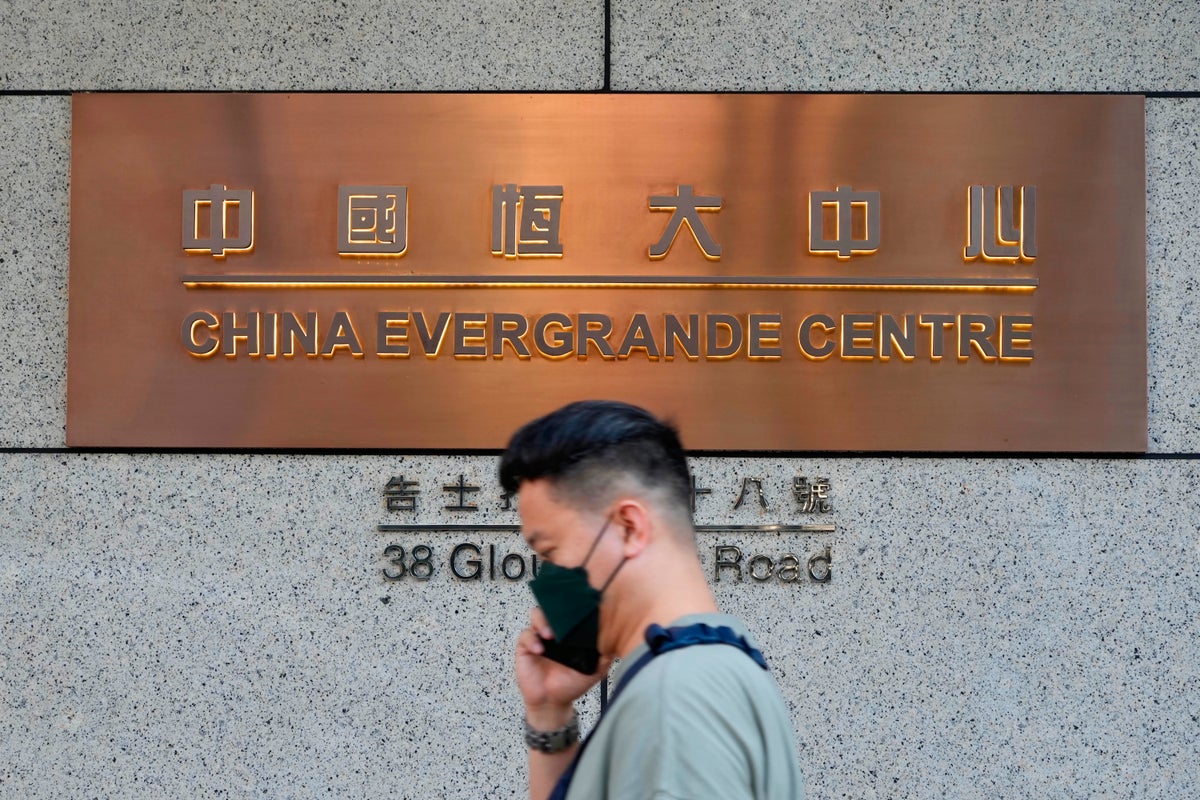
China Evergrande, once valued at over $50 billion and emblematic of the nation's debt-fueled real estate boom, has been formally delisted from the Hong Kong stock market following its 2021 default and subsequent liquidation order. This definitive end to its public trading life, after its market capitalization was wiped out by over 99%, underscores the severe and protracted crisis in China's property sector, which historically contributed a third of the economy. While the delisting itself has limited immediate market impact given prior trading suspension, it serves as a potent symbol of Beijing's 'no company too big to fail' stance and highlights the slow, state-managed unwinding of the real estate market, with other major developers still grappling with significant debt and ongoing challenges.
The formal delisting of China Evergrande from the Hong Kong stock exchange marks a symbolic culmination of the crisis that engulfed China's most indebted developer. Once valued at over $50 billion, the company's collapse under more than $300 billion in debt and subsequent 99% value wipeout underscore the severity of the downturn in China's property sector, an industry that once accounted for a third of the national economy. While the delisting itself has limited direct market impact due to the prior trading suspension, it serves as a powerful signal from Beijing that no private entity is 'too big to fail'. The process reveals a 'slow-motion' adjustment, with state intervention preventing an abrupt crash but prolonging the resolution. The minimal asset recovery by liquidators—just $255 million reported so far—and the revelation of a $78 billion revenue overstatement highlight the profound risks for both equity and debt holders, exposing significant corporate governance and transparency failures. The crisis is not isolated, with other developers like China South City Holdings now facing liquidation, suggesting the property downturn is likely to persist for several more years and continue to weigh on China's overall economic growth, despite government stimulus efforts.
AI-powered research, real-time alerts, and portfolio analytics for institutional investors.
Overall Sentiment
strongly negative
Sentiment Score
-0.80
