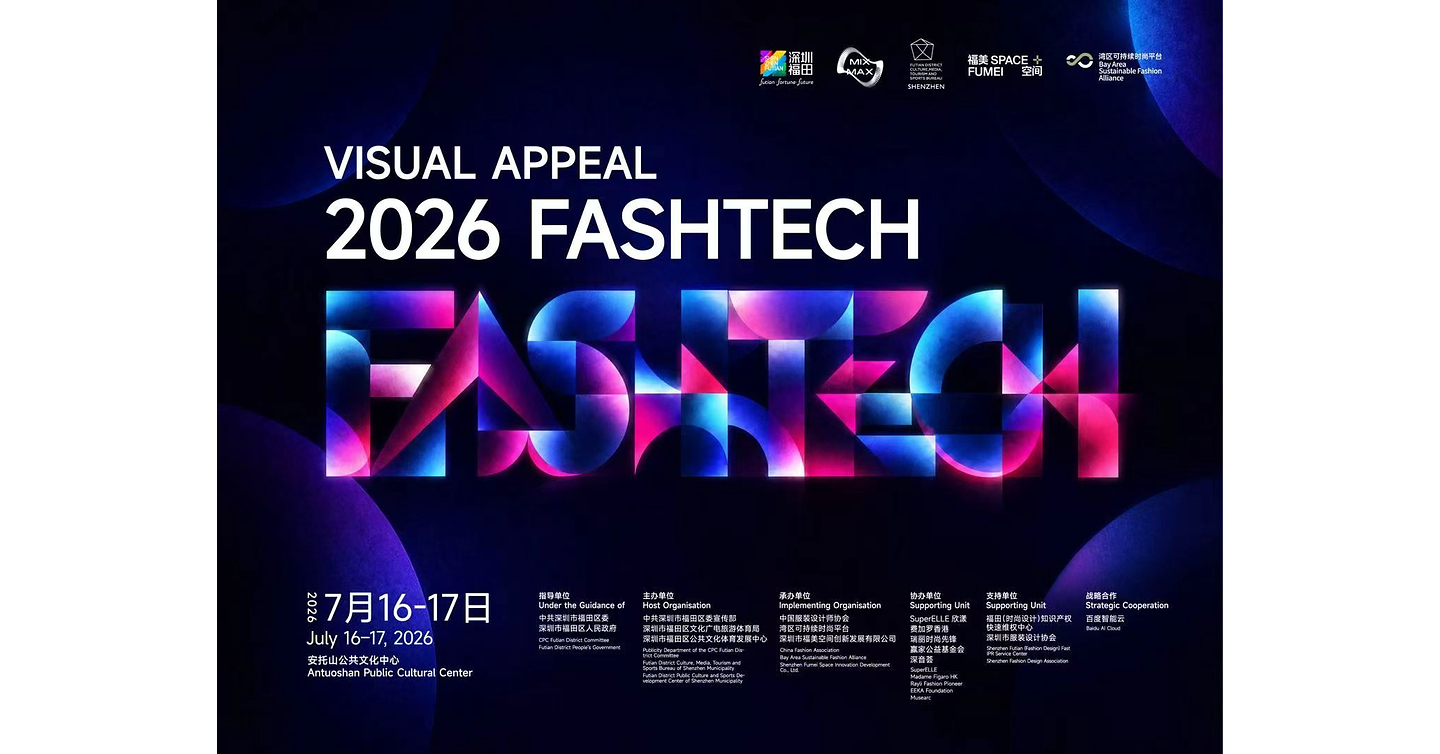
El evento FashTech 2026 en Futian, Shenzhen (16-17 jul 2026) cerró con éxito, impulsando la integración “IA + Moda”. Participaron casi 1.000 equipos de más de 10 países con 2.500+ proyectos en dos categorías (Diseño Creativo y Soluciones Innovadoras), destacando aplicaciones como marketing inteligente, dispositivos portátiles y espacios virtuales. La nota enfatiza potencial comercial y mayor visibilidad internacional vía alianzas con medios y marcas tecnológicas.
This reads more like ecosystem signaling than a near-term earnings catalyst. The investable takeaway is that AI is moving from generic productivity talk into merchandising, design, and marketing workflows, which favors platforms that sit on transaction data and creative tooling, while pressuring smaller apparel brands and agencies that rely on manual cycle times and discretionary labor. The first-order revenue impact is likely modest in the next quarter; the bigger effect is margin leverage over 6-18 months if AI shortens design-to-shelf and improves conversion.
Second-order, the winners are likely to be marketplaces and cloud/AI infrastructure providers that can monetize workflow integration, not the event sponsors themselves. In China, that points more to BABA/PDD/JD as demand aggregators and data owners than to pure fashion names; globally, software vendors with design, content generation, and retail analytics exposure should gain share if this becomes a procurement budget rather than a PR theme. The losers are traditional mid-market apparel chains and third-party creative shops whose value proposition is speed and low-cost iteration.
The contrarian view: the market may be overestimating how quickly fashion buyers adopt AI at scale. Retailers are notoriously capex- and integration-constrained, so the key falsifier is the absence of measurable GMV lift, lower return rates, or faster inventory turns in 1-2 reporting cycles; without those, this remains conference noise. The real catalyst path is whether any named ecosystem participant announces a paid rollout, because that would validate monetization and pull forward multiple expansion for the enablers.
AI-powered research, real-time alerts, and portfolio analytics for institutional investors.
Request DemoOverall Sentiment
mildly positive
Sentiment Score
0.25
