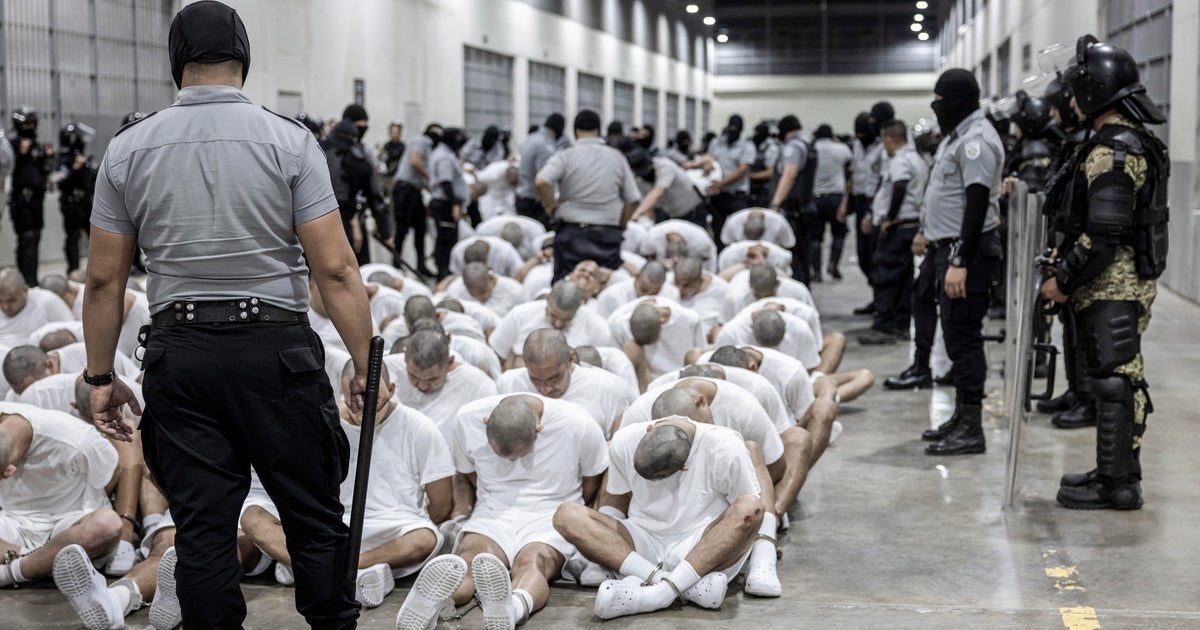
A federal appeals court ordered an end to criminal contempt proceedings over the Trump administration’s 2025 deportation flights that sent more than 200 Venezuelan migrants to El Salvador. The D.C. Circuit said the district court’s contempt inquiry was an abuse of discretion and raised separation-of-powers concerns, halting Judge Boasberg’s probe into who ordered the flights to continue. The decision is significant for immigration and executive-authority litigation, but it is not a direct market-moving event.
The immediate market read is not on any direct asset, but on the boundary condition for executive power: this ruling lowers the odds that district courts can force discovery into sensitive immigration/national-security decision chains. That matters because the next escalation point is not the contempt issue itself, but whether agencies now feel more latitude to act first and litigate later, which increases tail risk around fast-moving policy implementation. In practice, that tends to compress the time window for injunction-driven trading in sectors exposed to border enforcement, detention, and compliance-heavy government contractors.
The second-order effect is a modest benefit to firms whose revenue depends on DHS/DOJ operational discretion and a modest headwind to organizations monetizing prolonged procedural friction. If the underlying enforcement posture becomes harder to challenge in real time, the market should discount fewer near-term interruptions in detention capacity, charter/transport logistics, and federal legal spend. The bigger implication is that this could become a template for future separations-of-powers fights, making headline risk more asymmetric but less tradable: once appellate relief is granted, the downside for the executive is pushed years out, while the immediate upside for challengers is capped.
Consensus is likely overestimating the durability of the signal. The ruling narrows one contempt probe, but it does not validate the deportation program on the merits, so a later merits loss could still force costly remediation, returns, or damages. The contrarian angle is that legal uncertainty is not disappearing; it is being deferred, which usually favors optionality trades over outright directional bets because volatility can reprice sharply on the next Supreme Court docket event or compliance disclosure.
AI-powered research, real-time alerts, and portfolio analytics for institutional investors.
Request TrialOverall Sentiment
neutral
Sentiment Score
-0.10
