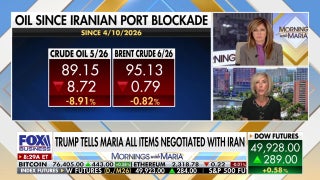
High borrowing costs are keeping monthly payments elevated on mortgages, auto loans and credit cards, even as inflation has cooled. The article says a Kevin Warsh-led Fed could shape the future path of rates, but rising oil prices from Iran tensions may make the Fed more cautious and prolong expensive borrowing. The confirmation hearing and the broader clash over Fed independence add political uncertainty to the outlook for interest-rate cuts.
The key market implication is not the headline politics; it is the rising probability distribution around the entire front end of the curve. If the next Fed chair is perceived as politically driven, term premia can rise even if the path of policy rates falls, which is bearish for long-duration assets and especially for assets whose valuation assumes a clean disinflation glidepath. In that setup, rate cuts do not automatically translate into cheaper mortgages or auto loans if bond investors demand a higher inflation/credibility premium.
Housing and autos are the most exposed second-order channels. Affordability pressure is already being transmitted through monthly payment math, so even a modest drop in short rates could unlock demand faster than supply can respond, which would support builders and auto OEMs with inventory, but compress margins for lenders if credit quality weakens first. The more important trading signal is that any relief is likely to be uneven: lower policy rates help cyclical demand, but a steeper curve and wider credit spreads can offset the benefit for mortgage REITs, consumer finance, and subprime auto paper.
The geopolitical overlay matters because energy is the cleanest way this story can re-accelerate inflation and delay easing. If crude stays bid, the market will likely push out the timing of cuts by 1-2 quarters, which is negative for rate-sensitive beta and positive for commodity-linked equities. The consensus may be underestimating how quickly inflation expectations can reprice when political pressure on the Fed coincides with an oil shock; that combination is more dangerous for 10-year yields than either factor alone.
AI-powered research, real-time alerts, and portfolio analytics for institutional investors.
Request DemoOverall Sentiment
mildly negative
Sentiment Score
-0.25
