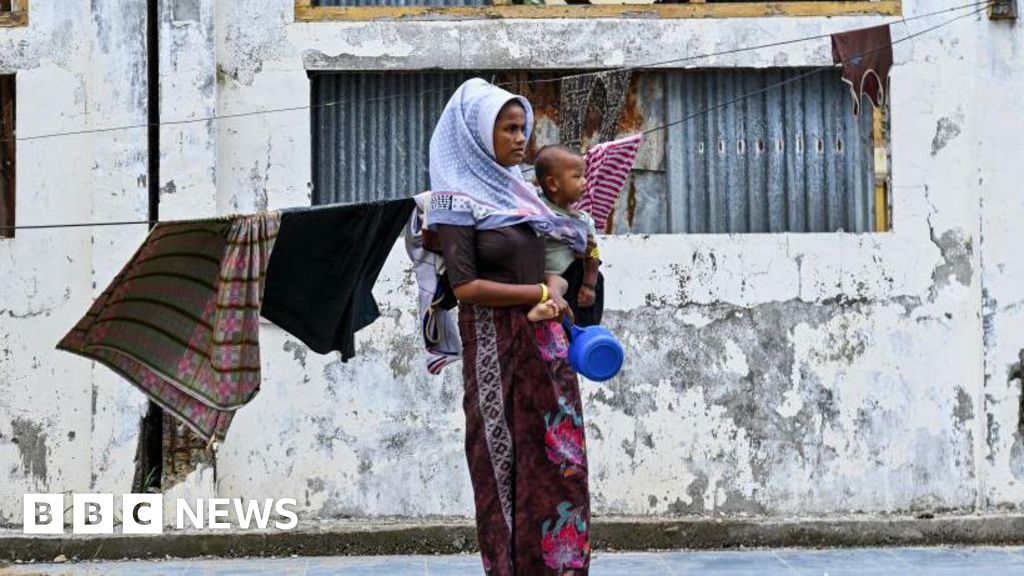
The International Court of Justice is hearing The Gambia's 2019 genocide case accusing Myanmar of pursuing “continual genocidal policies” against the Rohingya, citing the 2017 army crackdown that killed thousands and forced more than 700,000 to flee; over one million Rohingya remain in crowded camps in Bangladesh. Hearings, including closed witness testimony from survivors, run through the month with a final judgment expected in months or years, and the case—backed by the OIC and multiple intervening states—could set legal precedent though the ICJ cannot criminally prosecute individuals; the ICC is separately investigating Myanmar’s military leader.
Market structure: The ICJ hearings increase idiosyncratic political/legal risk concentrated in Myanmar and adjacent jurisdictions (Bangladesh, SE Asia supply chains). Direct losers are Myanmar sovereign and any extractive/agri/apparel operators with on‑the‑ground assets; winners are humanitarian funding flows and safe‑haven assets. Expect modest regional risk premia: frontier Asia spreads +10–50bp and marginal safe‑haven rallies (gold, USD, JGBs) over days–weeks if interim measures or sanctions appear.
Risk assessment: Tail risks include targeted asset freezes or sectoral sanctions (energy, commodities, banking) that could immiserate on‑island cashflows and force write‑downs (low‑probability, high‑impact within 30–90 days). In the short term (days–weeks) volatility rises around hearings and press cycles; medium term (months) legal precedent may raise litigation/regulatory costs for corporates active in conflict zones; long term (years) a refined genocide jurisprudence could increase sovereign liability and insurer/counterparty exposures. Hidden dependencies: supply chains for palm, gas, and apparel may transmit shocks to Asian producers.
Trade implications: Favor 2–4% tactical defensive allocations: long gold (GLD) and long duration Treasuries (TLT/IEF) for 1–3 months; trim frontier/EM small‑cap exposure (short FM or buy puts) to capture expected spread widening. Use pair trades (long GLD vs short EEM) and 3‑month put spreads on FM/EEM to hedge EM downside; enter within 0–10 trading days and reassess after any interim ICJ order.
Contrarian angles: Consensus treats this as Myanmar‑idiosyncratic; market may underprice legal contagion to multinational liability and insurance claims. Broad EM ETFs may be oversold—select large‑cap Asian exporters (India, KOSPI large caps) with negligible Myanmar exposure could present relative‑value longs if EM central banks stabilize. Watch for overreactions: if 10Y US yield drops >25bp on headline risk, take profits on bond longs and redeploy into cyclical EM names with clean governance.
AI-powered research, real-time alerts, and portfolio analytics for institutional investors.
Request DemoOverall Sentiment
moderately negative
Sentiment Score
-0.45
