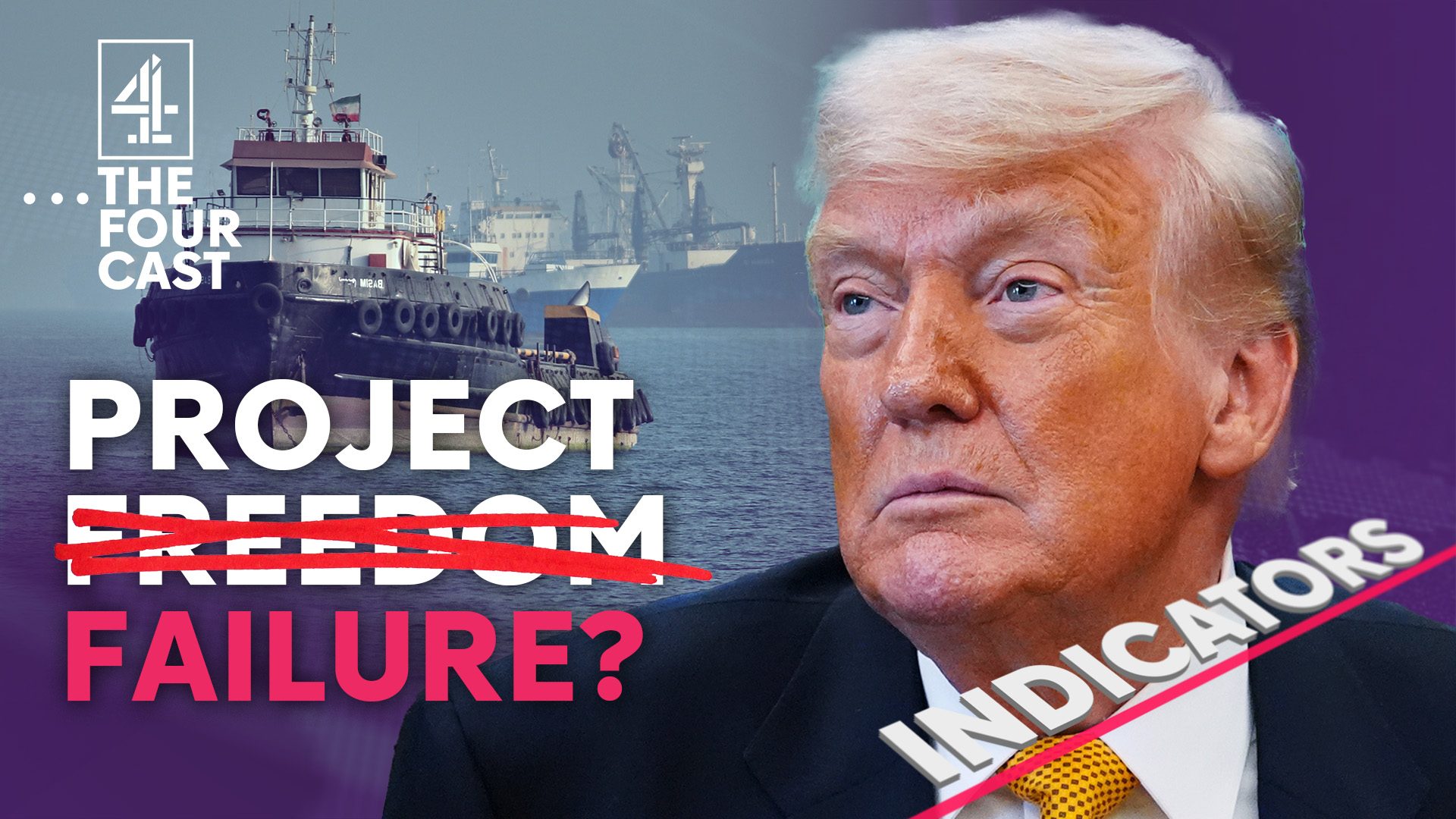
Diplomatic tensions around the Strait of Hormuz are disrupting shipping routes, with tankers diverting around the Cape of Good Hope and global markets rattled. The article highlights China's rising leverage over Iran and growing unease among Gulf allies over Washington's ability to provide security guarantees, ahead of a delayed Trump-Xi summit. The backdrop is negative for energy, shipping, and broader risk sentiment, with potential spillovers into global trade flows.
The key market implication is not just a higher geopolitical risk premium in oil, but a deterioration in the reliability of the Gulf security umbrella, which can reprice asset allocation across the region. If local actors conclude Washington is an intermittent backstop, the marginal winner is Beijing as a diplomatic insurer; that should gradually support Chinese influence over regional energy flows and financing terms, while pressuring U.S.-aligned defense and logistics assumptions embedded in risk assets.
The first-order market shock is likely to show up in freight, insurance, and inventory behavior before it fully reaches spot energy prices. Even a partial rerouting regime around the chokepoint lifts voyage times, working capital, and vessel utilization costs, which can create a lagged but persistent inflation impulse over 4-12 weeks rather than an immediate one-day spike. That favors names with explicit pricing power and hurts high-inventory, import-dependent sectors where margins are already thin.
The bigger second-order risk is that the market may be underpricing a longer diplomatic wedge between the Gulf and the U.S. If Gulf states hedge harder toward China, the next 6-18 months could bring more non-dollar settlement experimentation, more China-linked infrastructure and port capex, and a structurally higher discount rate on some Middle East assets. That is bearish for U.S. defense contractors only in the sense that procurement may tilt toward diversified suppliers and non-U.S. platforms, even as absolute defense spend rises.
Consensus likely treats this as a transient shipping disruption, but the underappreciated issue is that crisis-driven rerouting can persist long enough to alter inventory policy and contract structure. If the blockade narrative eases, the trade may unwind quickly; if it does not, positioning should favor assets that benefit from prolonged route inefficiency rather than a one-off oil spike.
AI-powered research, real-time alerts, and portfolio analytics for institutional investors.
Request DemoOverall Sentiment
moderately negative
Sentiment Score
-0.35
