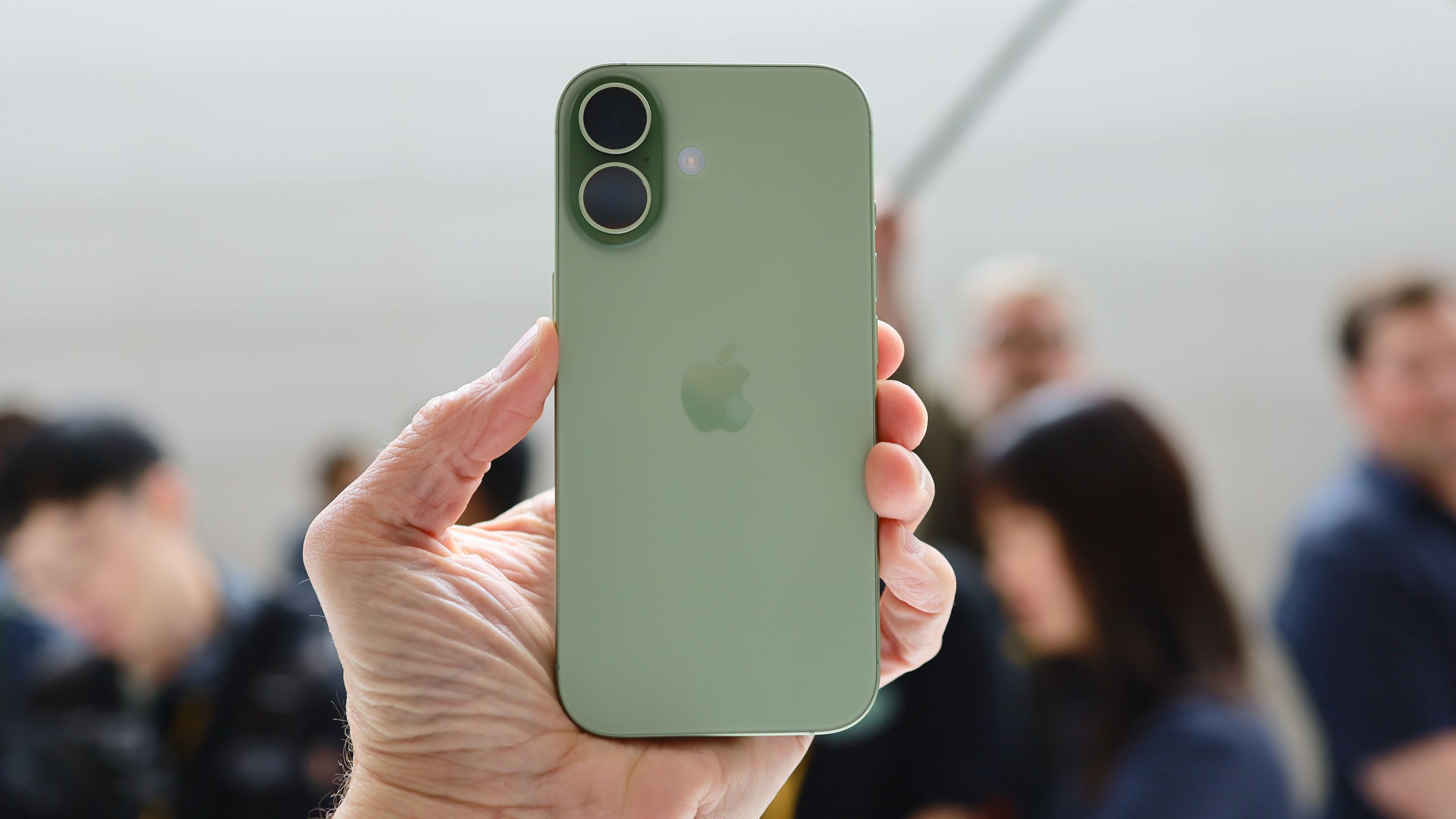
Apple will run a Black Friday promotion starting November 28 offering up to a $75 gift card with iPhone 17 purchases alongside its existing trade-in credits of up to $670 for unlocked devices. Major U.S. carriers are running materially larger promotions—Verizon and AT&T offering free or heavily subsidized iPhones with new unlimited lines and T‑Mobile offering multi-line freebies or up to $1,100 off with switches—likely to drive activations and subsidized handset uptake rather than change Apple’s pricing posture. The deal set suggests limited upfront discounting at the Apple Store but meaningful promotional activity that could affect carrier subscriber adds, handset sell-through and accessory attach; material impacts to Apple’s financials are likely modest and short‑lived, although monitor trade‑in volumes and carrier activation trends.
Market Structure: Carriers (T, VZ, TMUS) are the short-term winners — subsidy math (up to ~$1,100) materially outpaces Apple Store incentives ($75 GC + trade‑in), implying a likely 10–30% uplift in postpaid gross adds and handset activations over the 2–6 week Black Friday window versus seasonal baseline. Apple retains pricing power on net device ASPs; any revenue/GM impact should be confined to the quarter and measured in single-digit basis points to revenue, while accessory/attach could see a 2–4% uplift per unit sold. Fixed‑income: expect mild tightening in telecom IG spreads (5–15bps) if activation data surprises; equity options on carriers should see elevated short-dated IV.
Risk Assessment: Tail risks include regulatory scrutiny of bundled subsidies or consumer-financing practices and a sudden spike in trade‑in volumes that depresses the used‑device resale market, which could create margin leakage for Apple and carrier refurb arms. Time horizons: immediate (days) — activation flows and promo redemptions; short (weeks/months) — quarter revenue/earnings revisions and channel inventory adjustments; long (quarters) — any sustained shift in upgrade cadence. Hidden dependencies: carrier subsidies are conditional (trade‑ins/new lines) and may simply shift timing of upgrades rather than incremental demand. Catalysts: weekly carrier activation reports, Apple’s Dec quarter commentary, and secondary market used‑iPhone prices.
Trade Implications: Take modest, tactical exposure to carriers and downgrade Apple tactical sensitivity. Consider establishing 2–3% long positions split between T and VZ to capture the activation bump over 4–8 weeks and buy 60–90 day call spreads ~5–10% OTM on the same names (0.5% notional each) to lever upside while limiting downside. Avoid increasing AAPL long exposure into December results; consider selling a 4–8 week covered call against small existing AAPL holdings to monetize limited expected retail discounting.
Contrarian Angles: The market underestimates secondary effects — elevated trade‑ins could flood refurb channels and depress used iPhone pricing by 5–15% over 3 months, squeezing Apple’s trade‑in liability/gross margin mechanics and benefiting independent refurbishers. Historical parallels (2016–2018 subsidy spurts) show transient carrier share gains with little lasting change to Apple’s ecosystem economics; if carrier activations exceed expectations by >15% QoQ, re-rate carriers; if trade‑in volumes rise <5% QoQ, the market is overpricing carrier wins.
AI-powered research, real-time alerts, and portfolio analytics for institutional investors.
Request DemoOverall Sentiment
neutral
Sentiment Score
0.10
Ticker Sentiment
