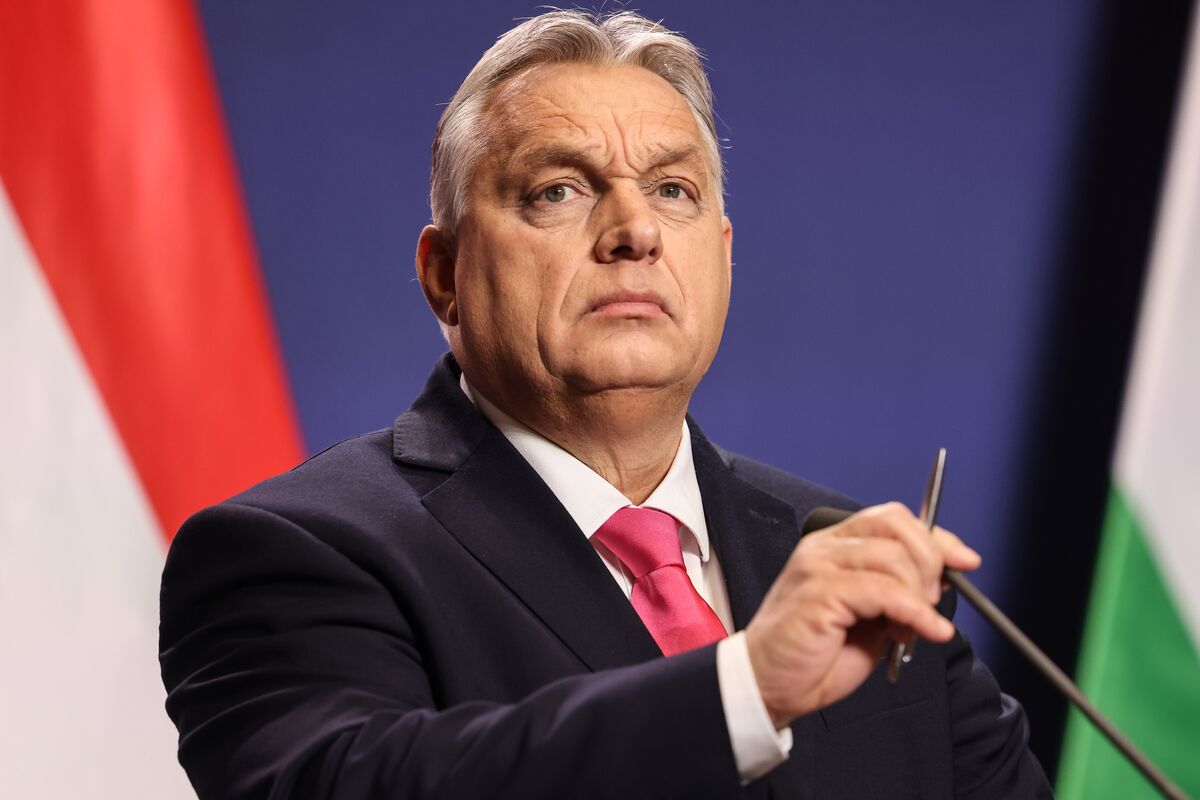
Hungary's government has sharply reduced its GDP growth forecast, projecting 1% for 2024, down from a revised 2.5% estimate, and 3.1% for 2025, a decrease from 4.1%. This significant downward revision underscores mounting economic challenges for Prime Minister Viktor Orban ahead of a crucial election, signaling potential headwinds for the Hungarian economy.
Hungary's economic outlook has deteriorated significantly following the government's sharp reduction of its GDP growth forecast for 2024 to 1%, a substantial downgrade from a revised 2.5% and an initial 3.4% estimate. The pessimism extends into the medium term, with the 2025 growth projection also cut to 3.1% from 4.1%. This official revision underscores considerable economic headwinds and is explicitly linked to mounting political pressure on Prime Minister Viktor Orban's administration ahead of a challenging election. The confluence of a sharply slowing economy and heightened domestic political uncertainty presents a negative catalyst for Hungarian assets, reflecting an increasingly difficult macro environment for this emerging market.
AI-powered research, real-time alerts, and portfolio analytics for institutional investors.
Request DemoOverall Sentiment
strongly negative
Sentiment Score
-0.75
