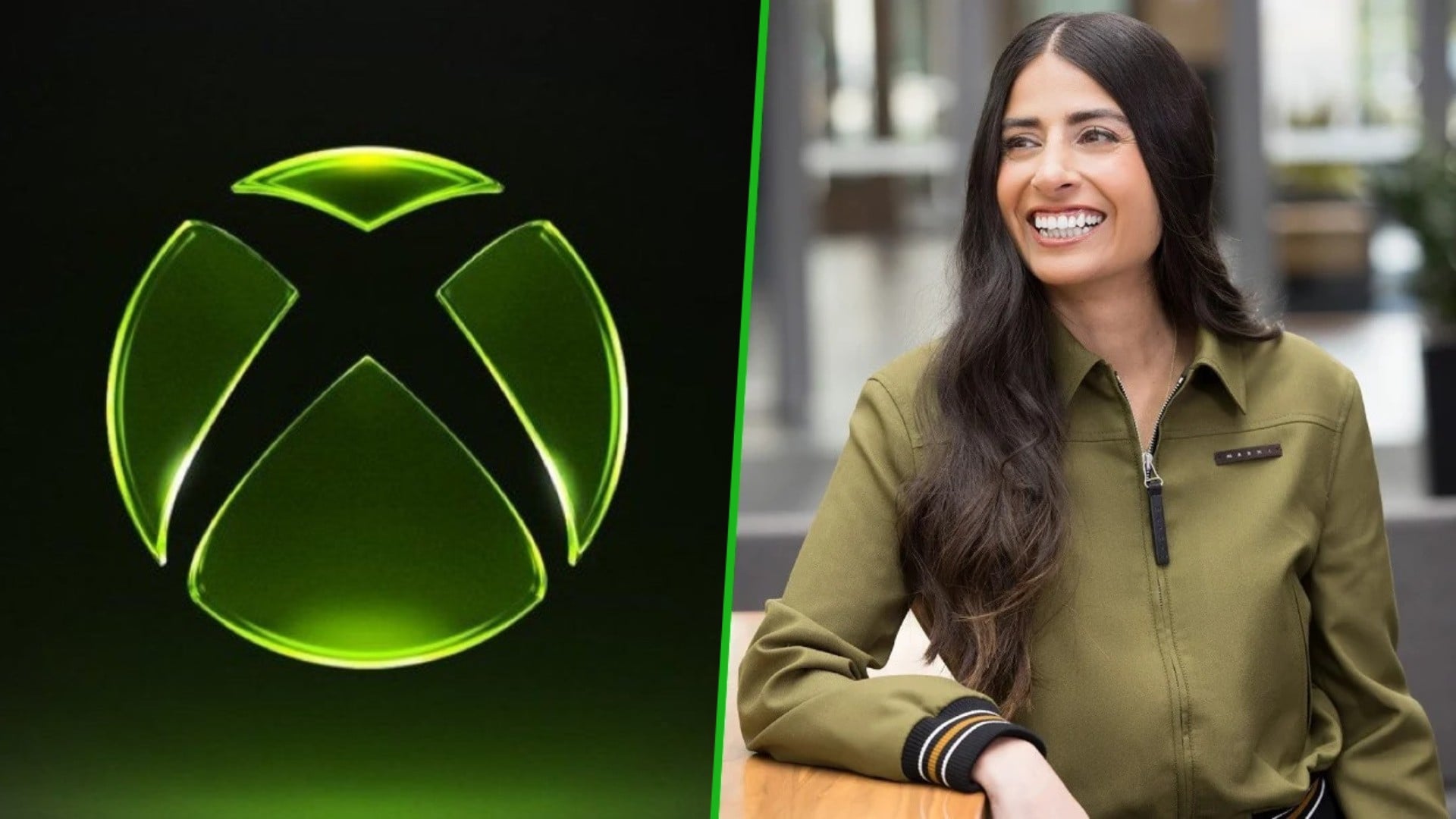
YouGov reports improving Xbox brand metrics under CEO Asha Sharma, with U.S. gamer Buzz rising from 8.5 on Feb. 20, 2026 to 20.0 on May 20, and Satisfaction increasing from 17.8 to 22.3 over the same period. Value peaked at 25.0 on May 5, and the report says the brand is being talked about more positively and is more likely to be considered by PC and console gamers. The article is largely sentiment-driven and unlikely to have a major direct market impact, but it supports a more constructive view on Xbox's brand trajectory.
The market is starting to re-rate Xbox less as a legacy hardware franchise and more as a managed ecosystem with optionality across content, cloud, and subscription monetization. That matters because perception improvements tend to show up first in brand intent and consideration, then with a lag in attach rates, retention, and pricing power; the current read-through is that the turnaround is still in the “narrative repair” phase, not yet the “fundamentals prove it” phase.
Second-order, the main beneficiaries are likely upstream and adjacent partners rather than pure gaming peers: publishers, peripheral makers, and platform enablers that benefit from higher engagement if management’s changes improve conversion and session time. The competitive threat is asymmetrical for incumbent console rivals: if Xbox’s brand momentum persists, it can slow share loss at the margin without needing to win outright, which is enough to pressure rivals’ acquisition spend and exclusivity economics over the next 2-4 quarters.
The key risk is that sentiment-based gains can fade fast if the company is forced into visible trade-offs on product roadmap or if AI-led leadership becomes a proxy for “cost discipline over gamer-first execution.” If the next few months bring fewer headline wins, or if consumer sentiment stabilizes while actual engagement metrics stall, the stock/brand uplift can unwind quickly because the market will conclude this is a PR inflection rather than a durable operating inflection. The setup is therefore more tactical than secular until we see evidence in ecosystem usage and monetization, not just survey data.
Contrarian take: the move may be under-discounting the possibility that a stronger Xbox brand is bearish for competitors’ valuation multiples even if Xbox itself is privately held or otherwise not directly investable. The consensus is likely focused on the novelty of management credibility; the more interesting trade is that improving Xbox brand equity could force a broader content and marketing arms race, compressing margins for the entire console software stack while leaving the best-capitalized platform owner with the most resilience.
AI-powered research, real-time alerts, and portfolio analytics for institutional investors.
Request DemoOverall Sentiment
moderately positive
Sentiment Score
0.45
