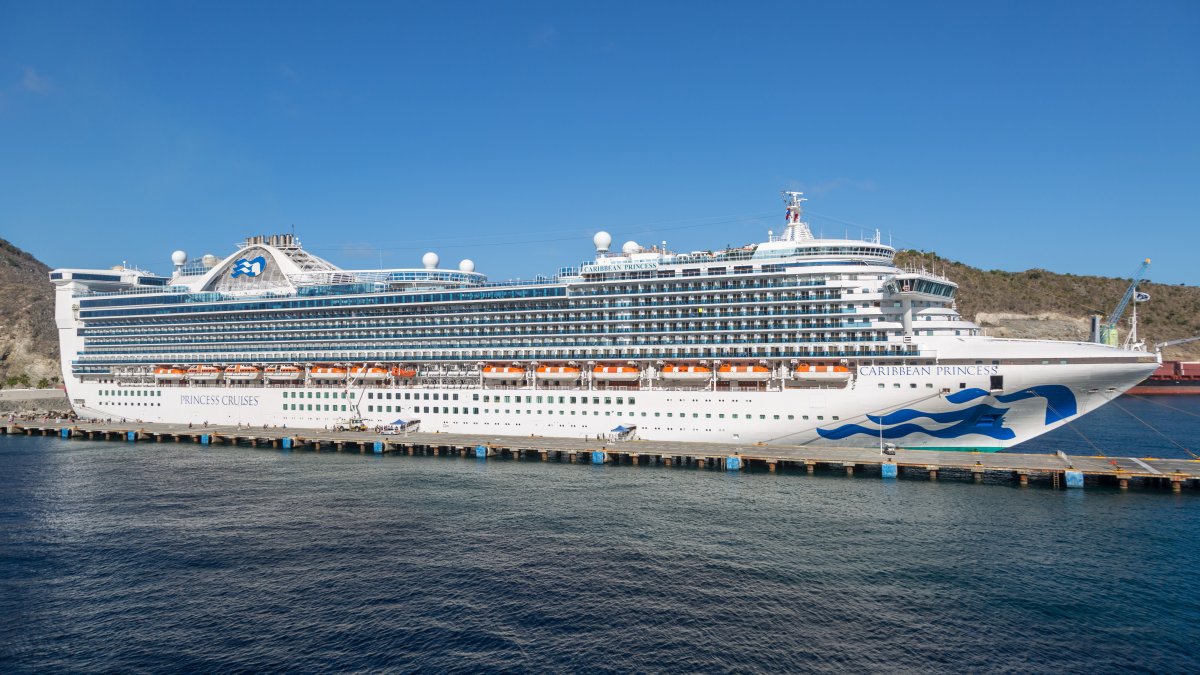
A norovirus outbreak aboard the Caribbean Princess sickened 102 passengers and 13 crew members, affecting about 3.3% of passengers and 1.2% of crew on board. The ship has increased cleaning and disinfection procedures after departing Fort Lauderdale on April 29 and is due to arrive at Port Canaveral on May 11. The incident is negative for cruise operations and travel sentiment, but is likely limited in broader market impact.
This is a short-duration brand and utilization shock, not a balance-sheet event. The first-order hit is contained to one sailing, but the second-order risk is that high-visibility outbreaks create booking friction for the entire cruise cohort because consumers overweight headline risk versus statistical incidence. That matters most for the next 1-2 booking windows: near-term occupancy and onboard spend can soften if travel agents and repeat cruisers delay commitments, even if the affected voyage itself is operationally absorbed.
Relative winners are land-based leisure alternatives and any travel names with cleaner health-safety optics. Cruise operators are uniquely exposed because their product bundles transport, lodging, and food-service risk into one narrow vessel environment; that concentration makes even isolated incidents more salient than comparable outbreaks in hotels or airlines. Suppliers tied to cruise traffic—ports, excursion operators, and destination retail—see only a modest effect unless media coverage broadens into a sector narrative, in which case the pain is mostly multiple compression rather than demand collapse.
The contrarian view is that this is likely over-traded as a public-health headline while underappreciated as an operational KPI issue. If the company responds with visible sanitation protocols and there is no cluster expansion over the next several days, the selloff should fade quickly because the event does not change long-run cruising economics. The real tail risk is not the outbreak itself but a repeat-event pattern across multiple ships; a second incident within 30-60 days would force the market to price in weaker booking conversion and potentially higher remediation costs.
For investors, the key is to treat this as a sentiment catalyst with a short half-life unless new cases emerge. Any trade should be sized around a 1-3 week dislocation rather than a multi-quarter thesis, and should focus on relative positioning instead of outright sector panic.
AI-powered research, real-time alerts, and portfolio analytics for institutional investors.
Request DemoOverall Sentiment
mildly negative
Sentiment Score
-0.25
