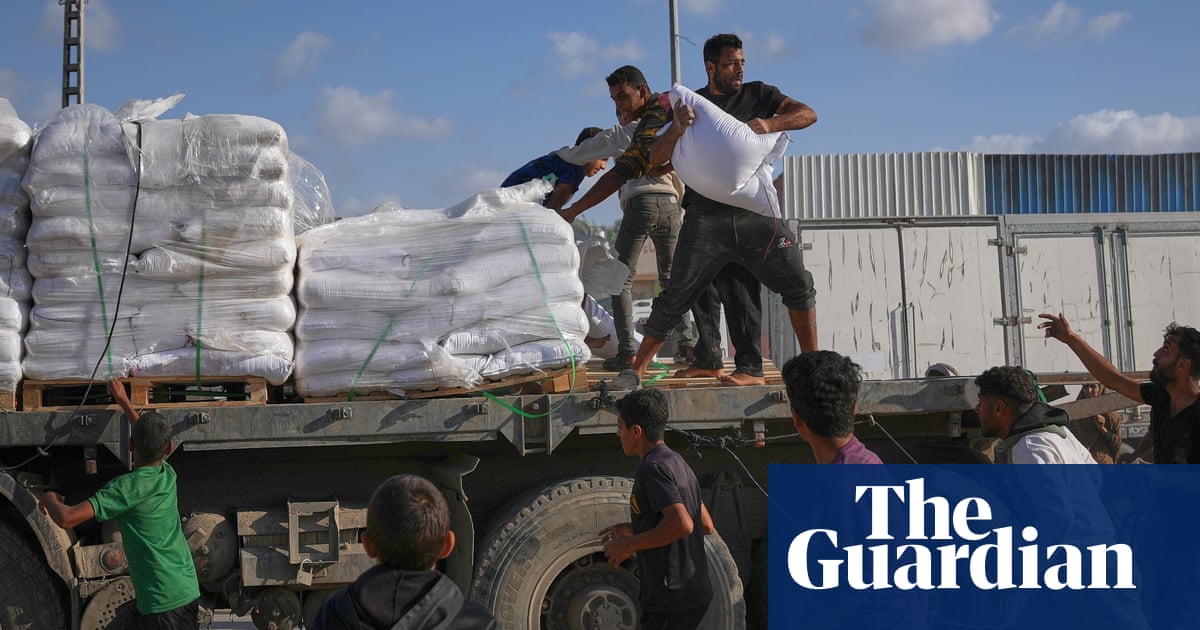
The US-Israel war on Iran has pushed global acute hunger to 363 million people, with 45 million additional people at risk from the Middle East conflict and oil price spike. WFP funding fell from $9.8bn in 2024 to $6.5bn in 2025, while only $2.8bn of $13bn in estimated needs has been received; US contributions dropped from $4.4bn to $2.1bn. Higher oil prices are worsening food inflation, disrupting aid routes, and threatening fertilizer supply chains for East Africa, making this a broad geopolitical and humanitarian shock with market-wide implications.
The first-order market impact is not just higher headline inflation; it is a widening dispersion between economies that import food and fuel and those that export either one. The cleanest second-order winners are upstream energy producers and tanker/shipping names with short-cycle pricing power, while the hidden losers are low-income sovereigns and consumer staples margins in import-dependent EMs where food is a larger share of CPI basket and wage pass-through is slow. That combination tends to push central banks in frontier and lower-quality EM into a brutal tradeoff: defend FX or defend growth, but not both.
The bigger medium-term risk is agricultural supply, not the immediate aid channel. If fertilizer availability and logistics remain impaired into the next planting season, the market will see a delayed but more durable shock to crop yields, which can extend food inflation well beyond the life of the current military headline cycle. That creates a trap for anyone fading commodities too early: even if Brent mean-reverts, grain, urea, and freight can stay bid on inventory shortages and route inefficiencies for several quarters.
A more subtle loser is the donor ecosystem itself. The tightening of humanitarian budgets is likely to force triage toward catastrophic crises, which means more volatility in food insecurity data and a higher probability of sudden headline events that destabilize local currencies, accelerate migration pressure, and lift sovereign risk premia in Africa and the Levant. For markets, this is a regime where political-risk discounts become embedded rather than episodic, especially in countries dependent on imported wheat, diesel, or externally financed food subsidies.
Consensus may be underestimating persistence: this is not just an oil spike, it is a supply-chain rerouting shock that raises the floor on landed-cost inflation even after crude pulls back. The counterview is that demand destruction and diplomacy can cap the upside in energy, but that does not quickly repair fertilizer flows, aid logistics, or insurance costs. In other words, the tradeable part of the shock may mean-revert faster than the real-economy damage.
AI-powered research, real-time alerts, and portfolio analytics for institutional investors.
Request DemoOverall Sentiment
extremely negative
Sentiment Score
-0.85
