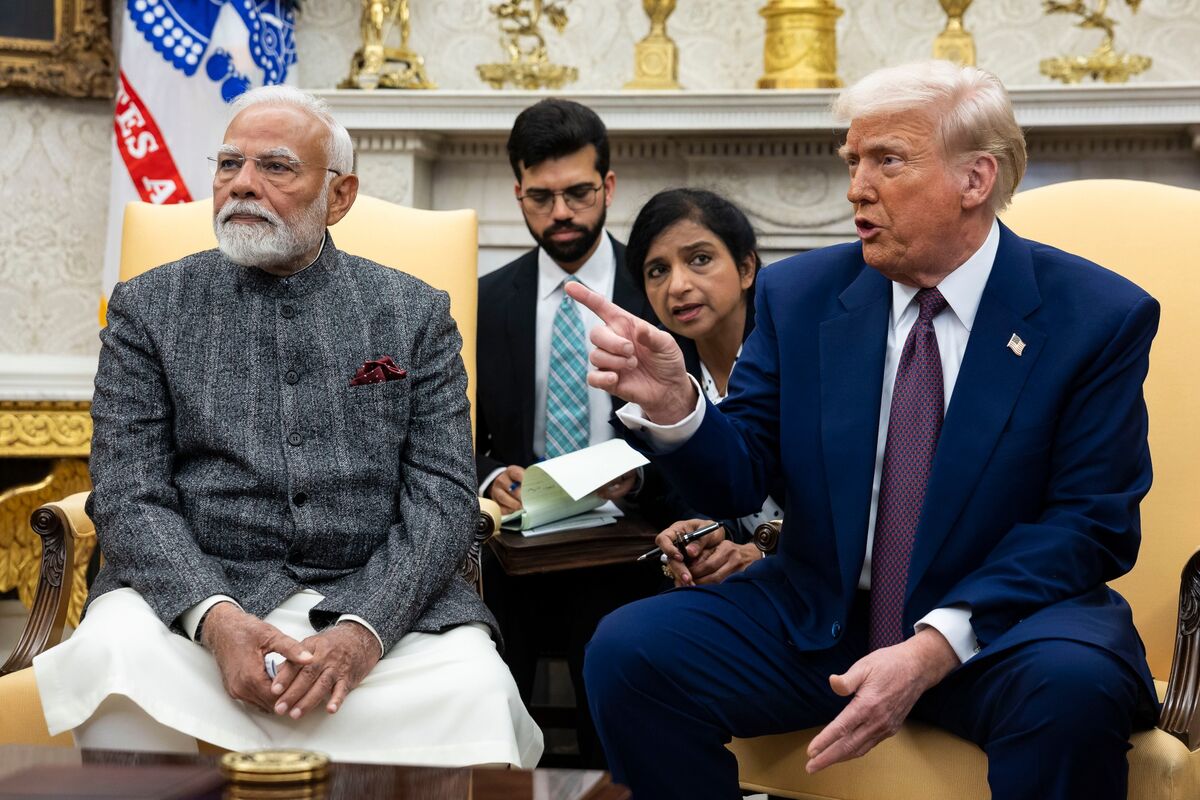
The United States unexpectedly imposed a 25% tariff on India, catching Indian trade officials by surprise despite ongoing months-long negotiations for a bilateral trade deal. India's immediate reaction was to reaffirm its commitment to pursuing a mutually beneficial trade agreement, signaling a desire to continue engagement despite the new tariff.
The unexpected imposition of a 25% tariff by the United States on India marks a significant and abrupt escalation in trade policy, directly disrupting ongoing bilateral negotiations. The move caught Indian trade officials completely by surprise, signaling a breakdown in diplomatic communication or a deliberate tactical shift by the US administration. This development introduces substantial uncertainty into the US-India trade relationship, which is underscored by the strongly negative sentiment score (-0.75) and a moderate market impact assessment. India's immediate response, which emphasized a continued desire for a "mutually beneficial deal," suggests a strategic choice to pursue de-escalation rather than immediate retaliation. However, the event highlights the volatile nature of US trade policy, driven by domestic political and broader geopolitical considerations, creating a precarious environment for businesses reliant on this trade corridor.
AI-powered research, real-time alerts, and portfolio analytics for institutional investors.
Request DemoOverall Sentiment
strongly negative
Sentiment Score
-0.75
