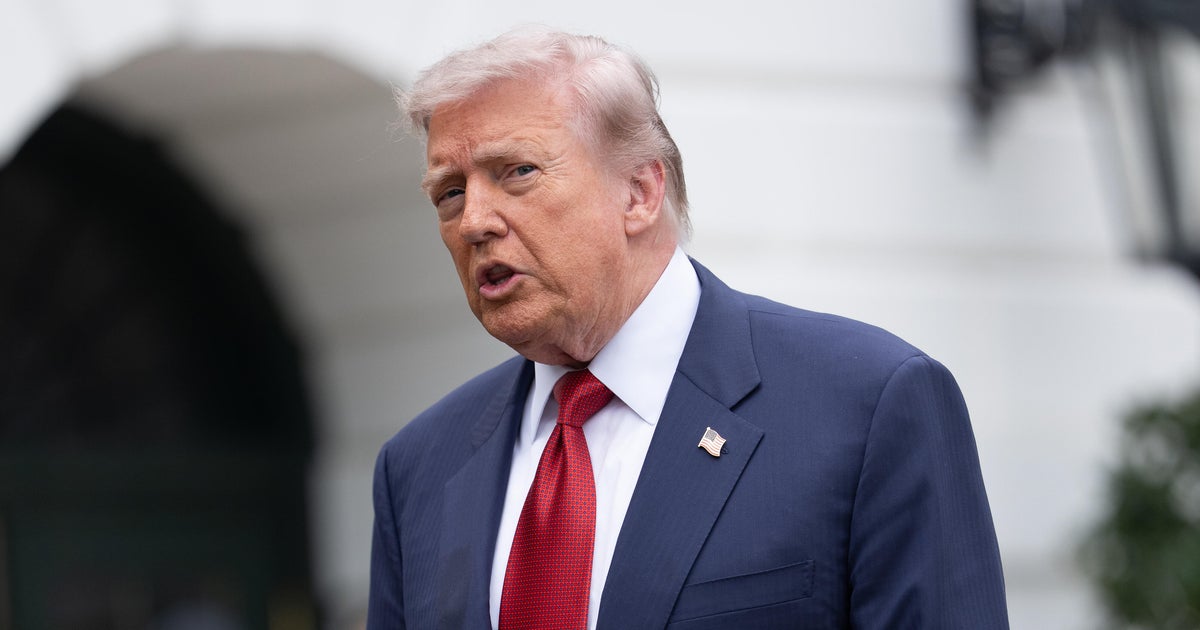
Trump said he wants to suspend the 18.4-cent federal gas tax for a period of time, a move that would require congressional action and cost the federal government about $500 million per week. The proposal comes as gas prices have risen more than 50% since Feb. 28 to over $4.52/gallon and diesel is also under pressure, reflecting the broader inflationary and geopolitical shock from the Iran war and Strait of Hormuz disruption. He also rejected airline bailout talk despite jet fuel costs more than doubling, which adds to pressure on carriers and summer airfares.
This is less about the tax itself than about the political willingness to subsidize consumption into a supply shock. A temporary gas-tax holiday would be a blunt, fast-acting transfer to motorists, but it does almost nothing to fix the margin structure that is creating the pain: refiners, logistics providers, and airlines still face the same input-cost shock, while the Treasury and Highway Trust Fund absorb the hit. The market implication is that any relief would likely be short-lived at the pump, but highly stimulative to demand in the near term, especially if consumers perceive a policy backstop and delay behavior changes.
The bigger second-order effect is a widening dispersion across transport exposures. Trucking, parcel, and last-mile operators with weak fuel surcharges would see a near-immediate margin cushion if demand softens enough to offset the tax removal, but airlines are the more fragile link because jet fuel is a larger share of operating costs and airfare repricing lags fuel by weeks, not days. That makes airline equity multiple compression the cleaner trade than trying to forecast the headline policy outcome; even a failed bailout lowers the probability of federal support, which is negative for levered carriers with limited fuel hedges.
The geopolitical overlay matters more than the tax holiday. If the Strait of Hormuz remains constrained, the government can ease retail prices only at the margin while preserving the broader inflation impulse through diesel, jet fuel, and petrochemical feedstocks. That creates a contrarian setup: the market may overestimate the deflationary effect of a gas-tax suspension and underestimate the persistence of transport inflation, which argues for owning beneficiaries of structurally elevated energy costs rather than betting on a quick consumer relief narrative.
Near term, the catalyst path is binary and political: a bill can be introduced in days, but implementation likely takes weeks and may never happen. If Congress moves, the first-order beneficiaries are politically sensitive consumer cyclicals and high-mileage retailers; if it stalls, the episode becomes another sign that policymakers have limited tools versus a supply shock. Either way, the relevant horizon for portfolio positioning is 1-3 months, not days, because the fiscal headline can move sentiment long before it changes actual per-gallon economics.
AI-powered research, real-time alerts, and portfolio analytics for institutional investors.
Request DemoOverall Sentiment
mildly negative
Sentiment Score
-0.15
