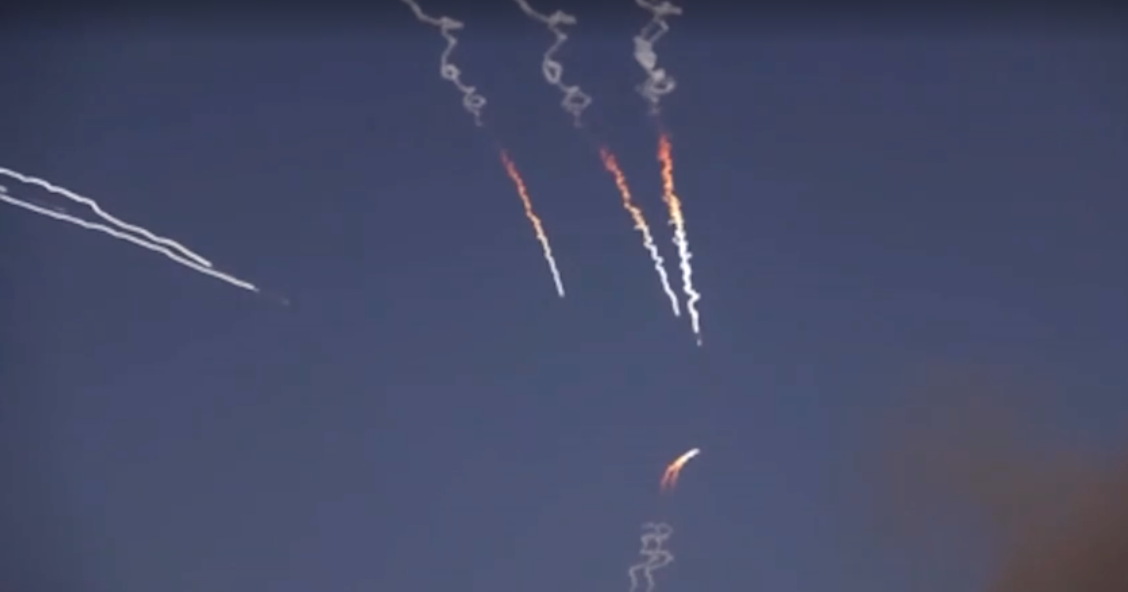
The U.S. and Iran escalated their conflict with renewed airstrikes, retaliation on U.S. bases in Bahrain, Kuwait and Jordan, and threats to strike critical infrastructure, while Iran claimed it would close the Strait of Hormuz. U.S. forces also disabled a tanker in the Gulf of Oman and Trump said more strikes could target power plants and bridges, keeping regional shipping and oil flows under severe stress. With Brent around $94/bbl and the Strait carrying roughly one-fifth of global oil and gas, the article signals a major market-wide geopolitical shock.
The market is still pricing this like a headline war and not yet like a sustained logistics shock. The first-order move is energy up, but the bigger second-order risk is that a rolling blockade/engagement cycle forces shippers, insurers, and importers into pre-emptive rerouting and inventory hoarding, which can tighten physical barrels even if spot demand is unchanged. That dynamic tends to lag by days to weeks, so the next leg is more likely in tanker rates, freight insurance, and refined-product cracks than in crude alone.
The most asymmetric near-term beneficiary is not the integrated oil complex, but anything tied to voyage disruption and elevated risk premia: marine insurers, tanker owners with compliant fleets, and defense/air-defense suppliers if this escalates into a longer air campaign. The most exposed assets are EM importers and refiners with weak balance sheets, especially Asia and parts of Europe that depend on uninterrupted Gulf flows; they face both higher feedstock costs and working-capital pressure if inventories need to be built. If the strait remains even partially open, the market may eventually fade the crude spike, but shipping dislocation can persist long after headline de-escalation.
The contrarian point is that a lot of bad news is already in oil, but not enough is in FX and rates. If the conflict broadens into infrastructure strikes, the bigger macro shock could be inflation re-acceleration rather than a pure energy shock, which pushes real yields higher and compresses long-duration assets. Conversely, any verifiable deconfliction through maritime corridors or a prisoner-style diplomatic channel would unwind the risk premium quickly because the market’s current positioning looks momentum-driven rather than conviction-led.
AI-powered research, real-time alerts, and portfolio analytics for institutional investors.
Request DemoOverall Sentiment
extremely negative
Sentiment Score
-0.88
