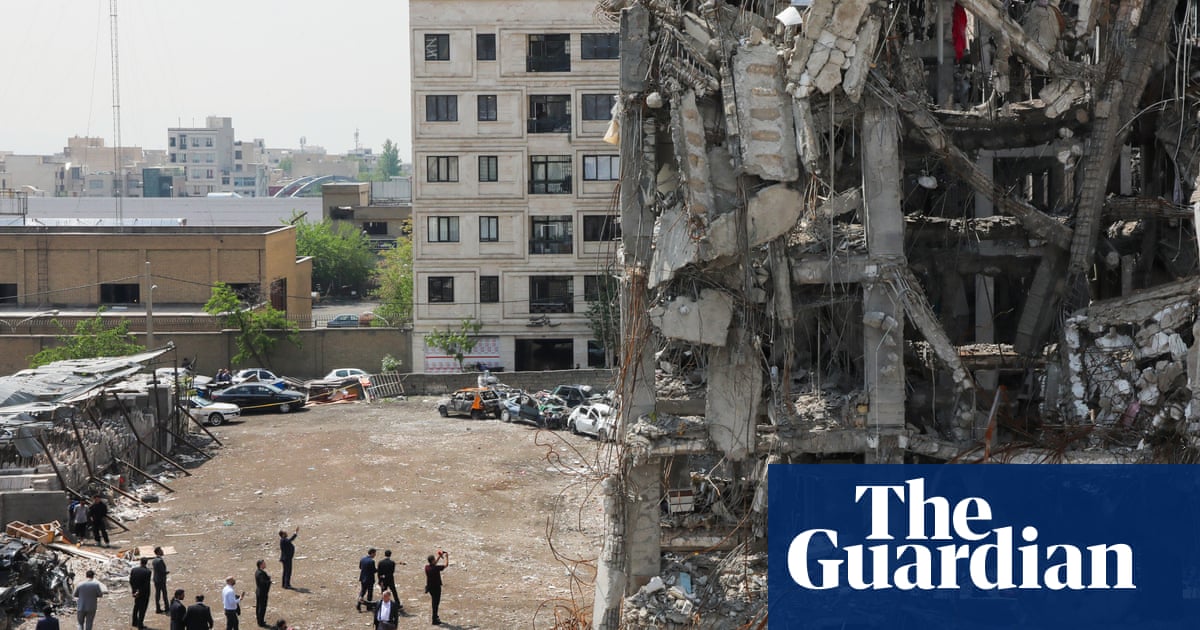
Trump said he expects to resume bombing Iran before a 14-day ceasefire deadline expires Wednesday, while rejecting any extension and citing alleged ceasefire violations. The escalation risk is high as Iran warned of an immediate and decisive response, and the standoff is already shaking global energy markets. IEA chief Fatih Birol called it "the biggest crisis in history," pointing to unprecedented pressure from the conflict and the Russian gas crisis.
The market is being forced to price a much higher probability of a short-cycle supply shock, but the first-order move in crude is likely less important than the implied volatility regime shift across the entire energy complex. Even if physical barrels never disappear, the threat premium can widen prompt spreads, raise tanker insurance, and steepen the curve in a way that benefits upstream cash flow while hurting refiners and transport. The bigger second-order effect is that any disruption narrative will likely outlast headlines because traders will keep a tail hedge on until there is either a verified de-escalation channel or a visible restoration of deterrence.
The most vulnerable assets are not just airlines and petro-heavy industrials; it is anything with thin gross margins and low pricing power, especially European chemicals, select EM importers, and highly levered consumer names exposed to fuel-sensitive demand. Defense and cybersecurity should also stay bid, but the asymmetry is better in infrastructure-adjacent names tied to hardening, surveillance, and energy-security capex than in pure headline-defense primes, which are already rich relative to forward order growth. In parallel, higher oil prices and a stronger geopolitical risk premium tend to support the dollar and weigh on non-U.S. risk assets, which matters more for global cyclicals than for U.S. large-cap energy.
The contrarian risk is that the market is overestimating the duration of the premium and underestimating how quickly policy backchannels can neutralize the immediate tail risk. Trump’s negotiating style creates repeated “strike now, talk later” volatility, which can lead to fast mean reversion if there is even a temporary verification mechanism. That means the best setup is not a naked directional bet on an extended war, but a short-dated volatility expression with defined downside if diplomacy surprises to the upside.
From a timing perspective, the next 24-72 hours matter more than the next quarter for headline beta, while the next 1-3 months matter for whether producers, shippers, and insurers reprice structural risk. If no deal emerges, crude can gap higher quickly, but the cleaner trade is to buy assets that monetize the repricing of uncertainty rather than the conflict itself.
AI-powered research, real-time alerts, and portfolio analytics for institutional investors.
Request TrialOverall Sentiment
strongly negative
Sentiment Score
-0.78
