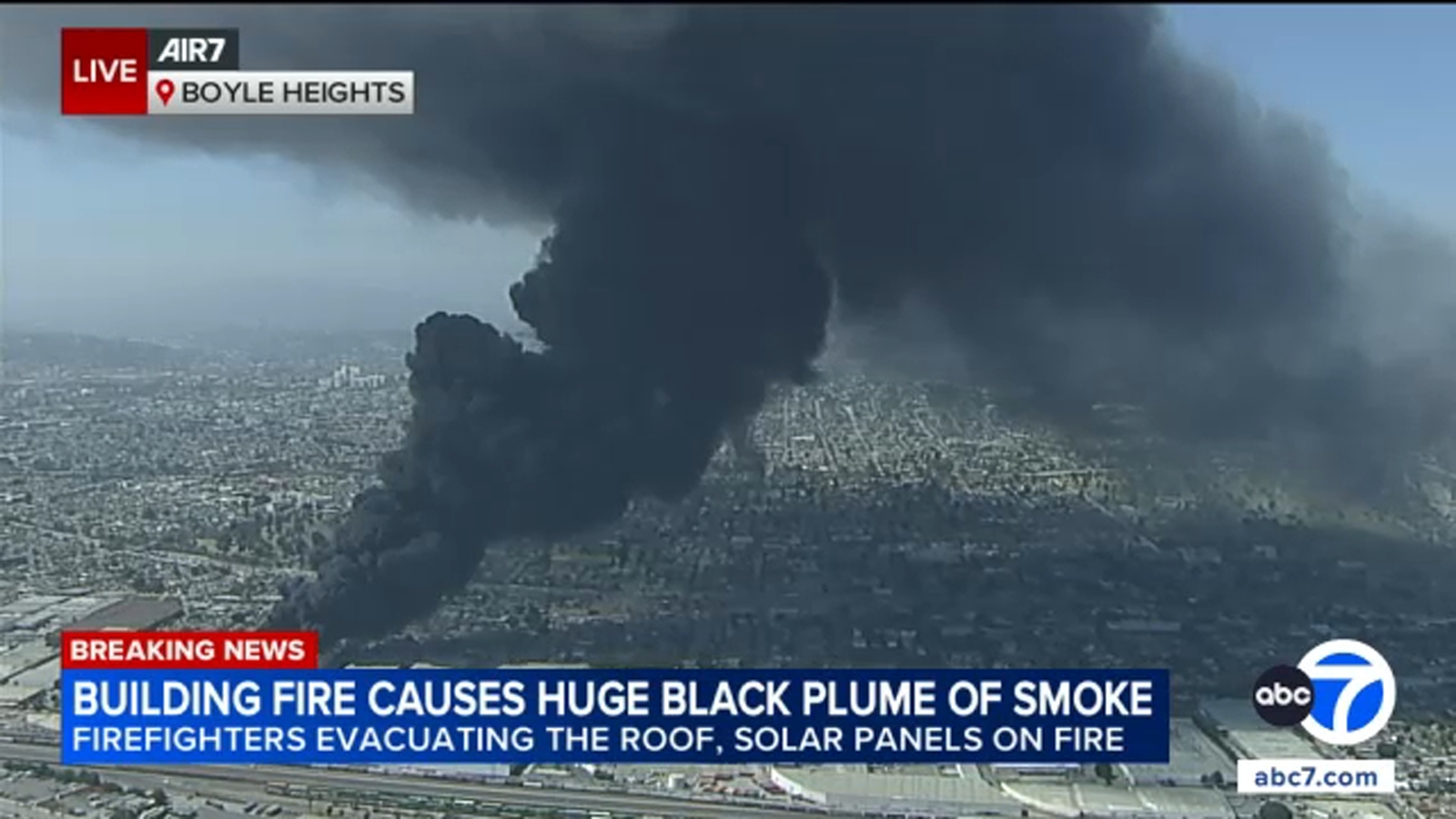
A Lineage temperature-controlled warehousing facility in Boyle Heights burned again, after a prior fire at the same site on Aug. 14, 2024. The article notes no injuries in the earlier incident and highlights the company’s use of rooftop solar panels and net-zero-by-2040 sustainability commitments. The news is largely descriptive and appears unlikely to have a meaningful market impact beyond localized operational disruption.
The investable issue here is not the fire itself; it is the asymmetry between perceived and actual ESG durability in mission-critical logistics assets. A temperature-controlled network with rooftop solar is effectively a layered operating system: one failure can trigger scrutiny of insurance, maintenance capex, and tenant continuity across the broader portfolio, even if the physical damage is localized. For a company like LINE, the second-order risk is that repeated incidents reprice the “green infrastructure” premium from a valuation support into a diligence discount, particularly if lenders or insurers start treating rooftop solar as a correlated hazard rather than an offsetting energy asset.
The bigger near-term catalyst is not legal liability but downtime and customer retention. Cold-chain tenants are notoriously unforgiving on service reliability; even short disruptions can cascade into claims, expedited freight costs, and margin leakage for adjacent users who depend on tightly scheduled imports/exports. If the asset is a port-adjacent node, a few days of reduced throughput can force rerouting to higher-cost facilities, creating a transient pricing opportunity for competing cold-storage operators with excess capacity and better insurance optics.
Contrarian takeaway: the market may overreact on the ESG headline while underestimating the operational moat. Rooftop solar is a small part of enterprise value, but it is visible and politically salient; the real driver is whether the company can demonstrate resilient recovery and preserve service levels. If management responds with tougher fire mitigation, insurance disclosures, and hardening spend, the event could ultimately strengthen competitive positioning by raising the barrier to entry for less-capitalized peers, even as near-term sentiment stays cautious.
AI-powered research, real-time alerts, and portfolio analytics for institutional investors.
Request DemoOverall Sentiment
neutral
Sentiment Score
-0.10
Ticker Sentiment
