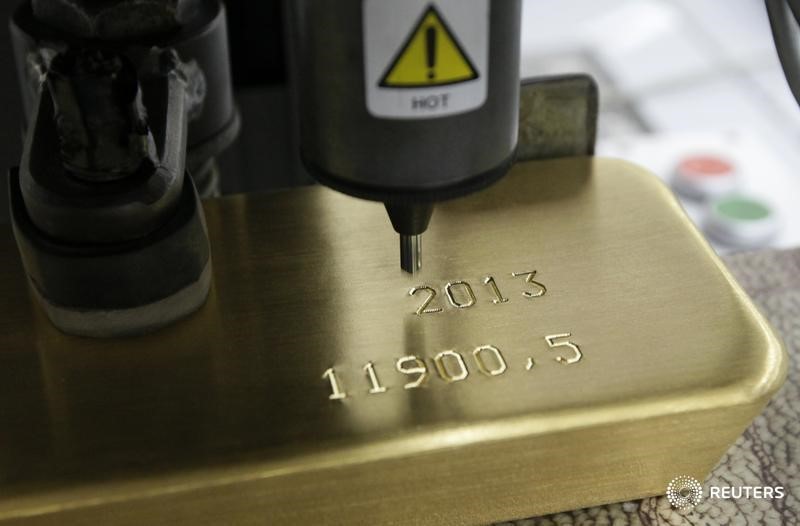
Gold rose 0.5% to $4,762.42/oz and futures gained 0.4% to $4,784.05/oz, but prices remained trapped in a $4,700-$4,900/oz range as markets weighed Iran war risks, a U.S. naval blockade, and possible ceasefire talks. A weaker dollar and improved risk appetite supported equities and bullion, while U.S. PPI data later on Tuesday is expected to provide new clues on energy-driven inflation pressure after last week’s hotter CPI. The conflict’s disruption to oil and gas markets, including the Strait of Hormuz, remains a key driver of inflation and broader market caution.
The market is treating the Iran shock as a volatility event, but the second-order winner is not broad “risk-on” so much as dispersion: megacap tech and quality growth should continue to outscore cyclicals because lower rates expectations and softer FX both support duration assets, while energy-sensitive industrials remain exposed to margin compression if the commodity spike fails to broaden. In Asia, the most durable beneficiaries are the semiconductor and hardware supply chain names with clean balance sheets and low direct hydrocarbon input intensity; the weakest links are downstream manufacturers that face both higher freight/energy costs and any renewed export-demand wobble if China data disappoints.
Gold is signaling a classic tension between geopolitical hedging and real-rate pressure. The narrow range suggests investors are not buying a structural inflation regime yet; instead, they are waiting to see whether the energy shock becomes persistent enough to force central banks to re-price policy. If U.S. inflation prints firm and yields back up, gold can underperform even with headline conflict risk elevated; if the conflict de-escalates or oil retraces, gold’s current “safe haven” bid likely fades quickly because positioning appears crowded but not panicked.
The critical catalyst is the next 1–2 weeks: any visible progress on talks would collapse the war premium faster than macro can re-anchor, while a renewed disruption to shipping would extend the inflation impulse into the summer and raise the odds of a sharper risk-off move. The market is probably underestimating how quickly a ceasefire headline can reverse both dollar weakness and commodity support, which argues for faded rather than chased moves unless PPI confirms second-round inflation pass-through. Over the next 1–3 months, the real trade is whether energy translates into slower growth rather than higher inflation, because that would ultimately support bonds and high-quality equity duration even as headline CPI remains noisy.
AI-powered research, real-time alerts, and portfolio analytics for institutional investors.
Request TrialOverall Sentiment
neutral
Sentiment Score
-0.08
