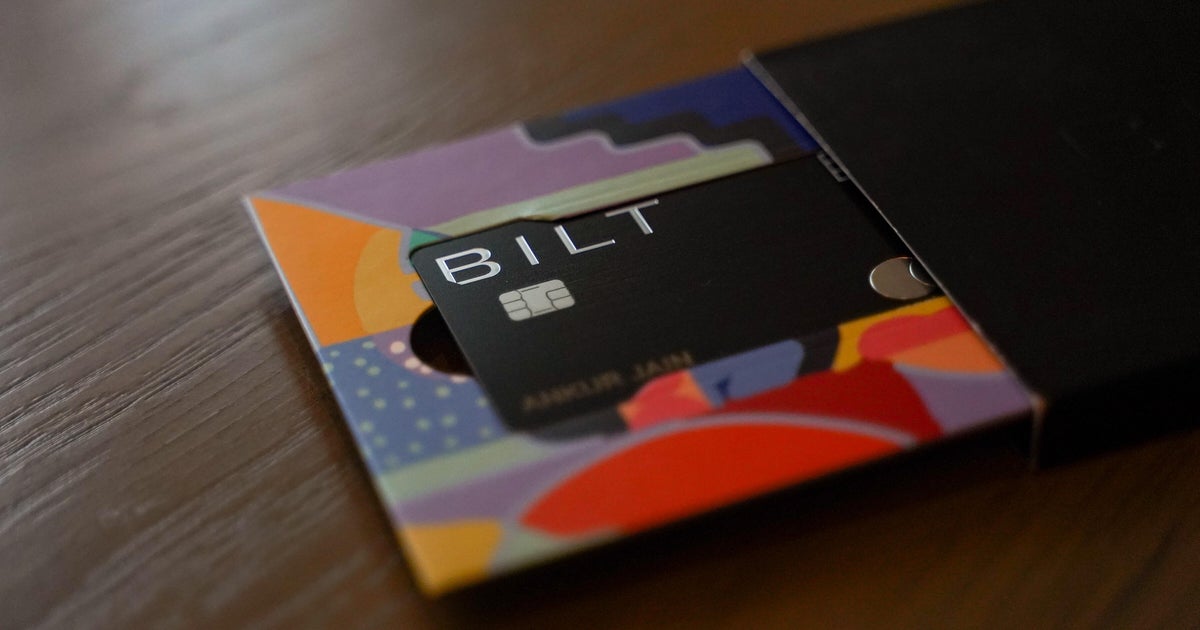
Bilt, a privately held fintech founded in 2019 and valued at over $10 billion, launched three new credit-card tiers offering a temporary 10% APR cap on new purchases for 12 months in response to President Trump’s proposal for a 10% interest-rate ceiling. The premium Palladium card carries a $495 annual fee with $400 in hotel credits and $200 in Bilt Cash, the middle Obsidian tier has a $95 fee and elevated dining/grocery rewards, and a no-fee entry card offers cash back/points; average U.S. card APRs run near 24% and can reach 36% for poor credit. The move positions Bilt to capture consumer demand amid affordability pressures and political debate over rate caps, potentially pressuring incumbent banks even as major lenders warn of credit access impacts; Vanderbilt research cited indicates a $100 billion transfer in savings to consumers (and costs to issuers) under a 10% cap.
Market structure: A capped 10% APR (even as a political proposal) benefits niche fintechs that can engineer low-margin, reward-driven products (Bilt) and price-sensitive renters; it directly threatens card issuers that rely on ~24% avg APR (LendingTree) for unsecured NII — Vanderbilt estimates a ~$100bn revenue swing. Incumbent banks (C, JPM, COF, SYF) see immediate margin compression risk and will likely respond by tightening underwriting, raising fees, or shifting lending into secured products, shifting market share toward platforms that partner with landlords or securitize receivables.
Risk assessment: Tail risk is a low-probability/high-impact regulatory cap passing (legally feasible within 6–18 months under aggressive policy), which could cut bank NII 10–20% and widen unsecured ABS spreads 50–150bp; operational risk to fintechs includes funding/warehouse lines and repricing if they retain revolvers. Short-term (days–weeks) headline volatility will dominate; medium-term (3–12 months) earnings guidance and ABS spread moves matter; long-term (1–3 years) depends on legislative outcome and securitization capacity.
Trade implications: Tactical trades: short credit issuer equity/volatility vs long payments networks and selective fintechs. Defensive cross-assets: long senior credit card ABS if spreads widen >75bp, hedge bank equity downside with 3–6 month put spreads ~10% OTM to limit cost. Rotate 1–3% portfolio weight from large regional/consumer banks into Visa/Mastercard and high-quality payment processors over 3–12 months.
Contrarian angles: Consensus underestimates banks’ ability to pass costs via fees and tighten underwriting to restore economics — therefore a full-scale bank equity collapse is asymmetric. Bilt’s 10% for 12 months is a marketing sword, not a sustainable business model without cheap funding or securitization capacity; if markets price that correctly, fintech winners may be overstretched and ripe for consolidation.
AI-powered research, real-time alerts, and portfolio analytics for institutional investors.
Request DemoOverall Sentiment
mildly positive
Sentiment Score
0.22
Ticker Sentiment
