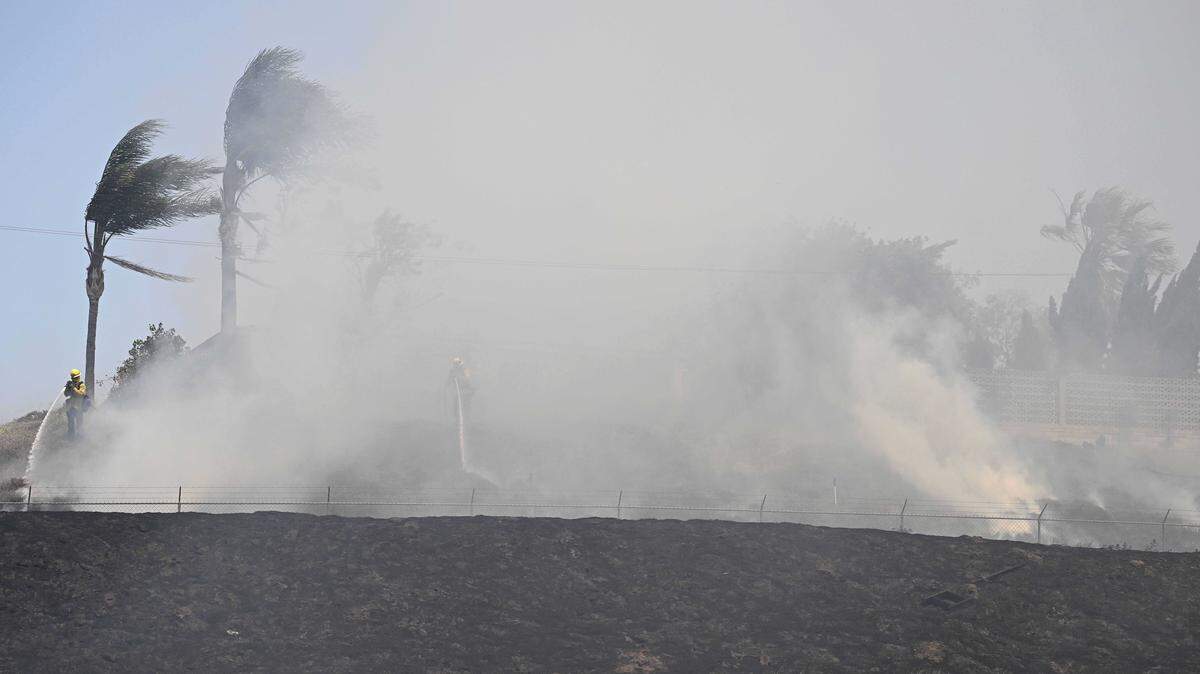
California’s FAIR Plan will raise average rates 29% on Oct. 15, a smaller increase than the 36% hike originally sought after the January 2025 Los Angeles fires. About half of homeowners will still face premium increases of 30% to 50%, while roughly a quarter could see reductions of up to 80%. The update suggests the state’s insurance market is stabilizing, but affordability pressure remains high for homeowners relying on the insurer of last resort.
The bigger signal here is not the size of the rate move, but the regime shift it implies: California is trying to reprice wildfire risk without forcing a collapse in availability. That creates a near-term washout for the most exposed homeowners, but a medium-term tailwind for private carriers, surplus lines brokers, and property managers that can monetize tighter underwriting discipline and higher deductibles. The key second-order effect is that a slower-growth FAIR Plan reduces the odds of a catastrophic backstop spiral, which should modestly lower political pressure for emergency interventions.
For listed insurers, the market may be underestimating how important "stabilization" is as a margin input. If admitted carriers are now submitting sub-7% increases while FAIR Plan growth decelerates, the pricing environment in California is likely moving from pure loss-exit mode toward selective re-entry, which improves long-duration economics for carriers with better cat models and stronger reinsurance access. That said, this is still a multi-year earnings normalization story, not a next-quarter catalyst; one major fire season can reset loss assumptions and force another round of reserve strengthening.
The contrarian view is that this is less a victory for insurance availability than a sign of demand suppression: fewer policies entering FAIR Plan could reflect less homeowner mobility, more self-insurance, or a shrinking insurable universe in high-risk zones. If mitigation adoption is really the driver, the beneficiaries are not just insurers but home-hardening vendors, roofing, defensible-space services, and wildfire monitoring tech—names the market rarely links to California insurance pricing. The risk is that improved pricing encourages marginal risk-taking in the wildland-urban interface, which would push losses higher over a 12-24 month horizon and cap any rerating in the sector.
AI-powered research, real-time alerts, and portfolio analytics for institutional investors.
Request DemoOverall Sentiment
mildly negative
Sentiment Score
-0.20
