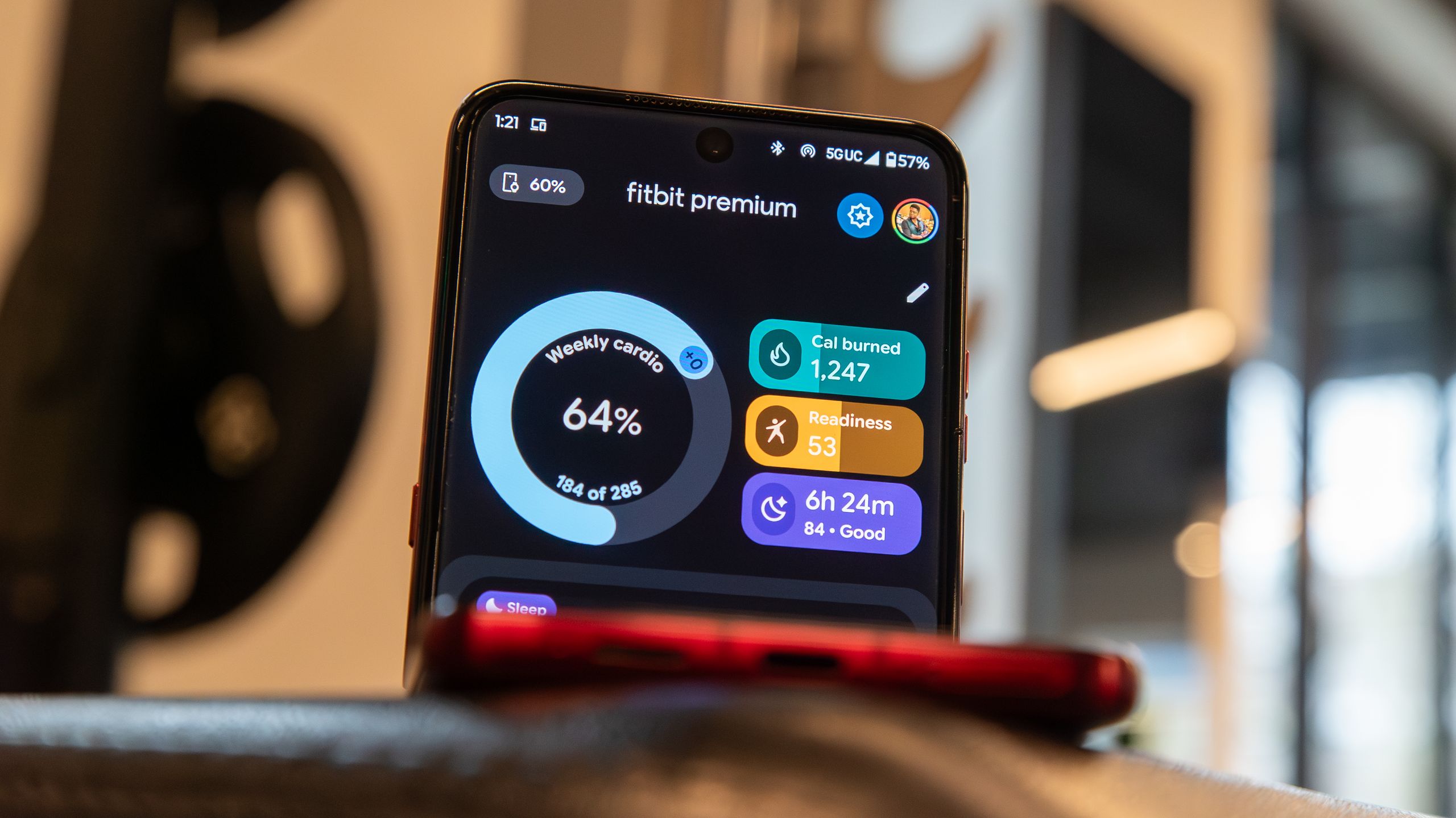
Google appears to be testing a rebrand of Fitbit services and subscriptions to Google Health Premium, with early listings showing the new name and a redesigned Google Health logo. Fitbit branding is expected to remain on hardware, but software and subscription products may shift under the Google Health umbrella. Google has reportedly already reverted some listings back to Fitbit Premium, making the timing and scope of the change uncertain.
This is less about a brand rename and more about Google consolidating the monetization stack around wearables data. The incremental P&L impact is likely small near term, but the strategic signal matters: Google appears to be pushing Fitbit from a consumer brand into a backend data layer for Pixel Watch and future health subscriptions. That reduces long-run reliance on third-party app identity and improves cross-sell potential into subscriptions, but it also raises execution risk because health products are trust-sensitive and brand churn can suppress conversion.
The main second-order effect is on competitive positioning versus Apple and, to a lesser extent, Samsung/Whoop. A unified Google Health umbrella could eventually make it easier to package coaching, AI insights, and device telemetry as one subscription, which is better for ARPU than a fragmented Fitbit proposition. The risk is that Google creates confusion at the exact point it needs clarity: if consumers perceive the software brand as unstable, attach rates on premium services could stall for 1-2 quarters even if hardware demand is unaffected.
For Google, this is a low-conviction but directionally positive governance signal: they’re trying to simplify the ecosystem, but the staged rollout/reversal suggests internal uncertainty. The contrarian read is that investors may overreact to the branding noise while underestimating the strategic intent to build a durable health platform tied to Pixel ecosystem retention. The real catalyst is not the name itself but whether Google can demonstrate higher subscription penetration and lower churn over the next 6-12 months.
Tail risk is reputational rather than financial: any misstep in health-data messaging, privacy, or onboarding could slow adoption and invite comparison to prior Google product rebrands that confused users. If the next Pixel Watch cycle shows no improvement in paid conversion or retention, this becomes a sign that Google Health is branding without product-market fit, which would cap upside and keep the stock impact negligible.
AI-powered research, real-time alerts, and portfolio analytics for institutional investors.
Request TrialOverall Sentiment
neutral
Sentiment Score
-0.05
Ticker Sentiment
