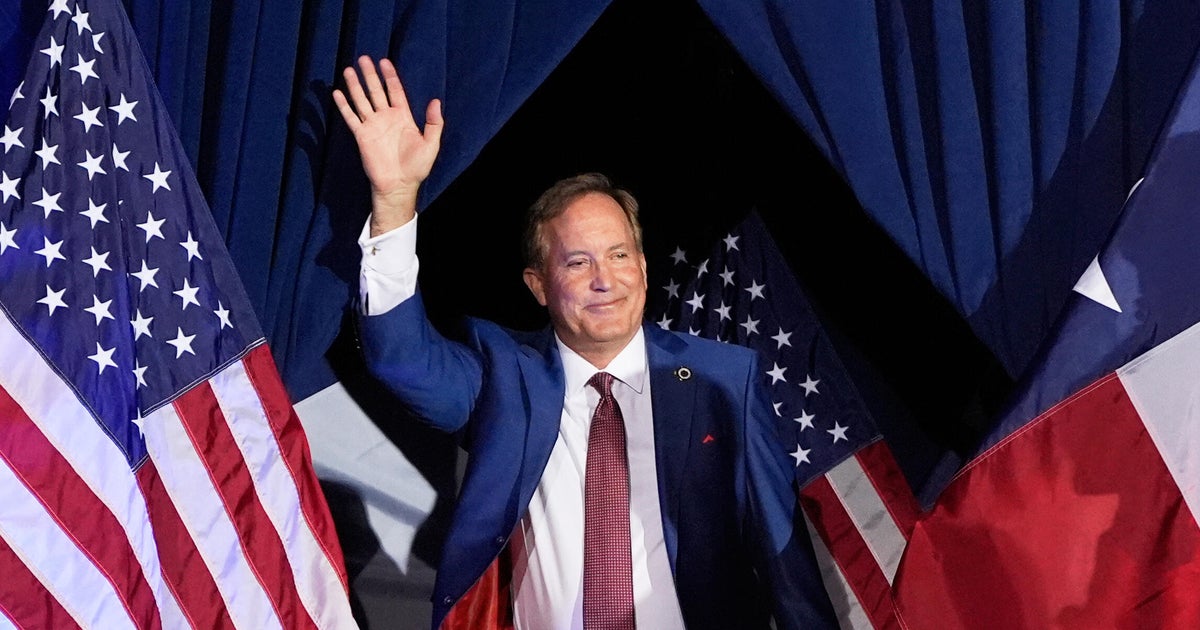
Bo French defeated incumbent Jim Wright by 1.2 percentage points to win the Republican nomination for Texas Railroad Commissioner, a key regulatory post overseeing the state's oil and natural gas industry. The result reflects an intra-party shift to the right in Texas GOP politics, backed by major conservative donors Tim Dunn and Farris Wilks versus establishment support for Wright. The Republican nominee is expected to be favored in November against Democrat Jon Rosenthal.
This is a governance signal more than a near-term operational one: the market is being told that Texas upstream policy will be shaped by ideology and donor alignment, not just technical stewardship. The immediate economic effect on producers is likely muted, but the second-order risk is higher regulatory uncertainty around permitting, flaring, enforcement, and litigation posture, which tends to widen the discount rate applied to Texas-heavy E&Ps and oilfield service names over 6-18 months. The beneficiary set is not the same as the donor set; firms with diversified basins and less Texas-specific exposure should outperform if the commission becomes more politicized. The bigger underappreciated consequence is that this outcome increases the probability of symbolic regulation that creates real friction without changing aggregate supply much. That means more headline risk, more activist pressure on banks/insurers serving the sector, and a higher chance that capital markets selectively penalize small- and mid-cap producers with concentrated Texas assets. If the new commissioner prioritizes cultural fights over technical capacity, the practical downside is slower adjudication and less predictability, which is a negative for capex planning even if the physical commodity balance is unchanged. The consensus is probably overestimating the policy delta in the short run and underestimating the signal for 2026 statewide energy regulation. The key catalyst window is after the general election, when staffing, enforcement priorities, and informal signaling can start to affect tone before any formal rule changes. Tail risk is a broader Texas GOP hard-right consolidation that eventually spills into property rights, land access, and local permitting conflicts, which would be more material than anything said during the campaign.
AI-powered research, real-time alerts, and portfolio analytics for institutional investors.
Request DemoOverall Sentiment
neutral
Sentiment Score
-0.05
