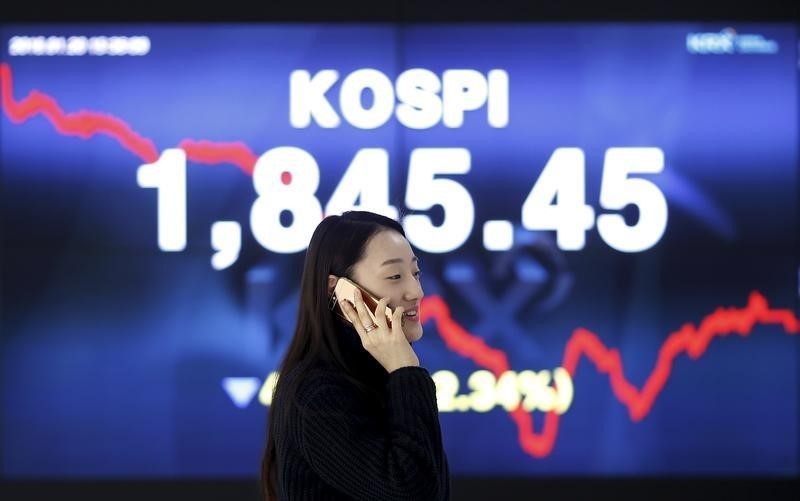
South Korea’s KOSPI hit a record high of 8,131.15, rising as much as 3.6% as Samsung Electronics gained nearly 3% and SK Hynix surged more than 7%. The rally was driven by strong demand for AI-linked semiconductor stocks, supported by optimism around Nvidia, global AI infrastructure spending, and continued strength in South Korea’s chip exports. Broader risk sentiment also improved on hopes for easing Middle East tensions and progress in U.S.-Iran talks.
This is not just a momentum tape in Korea; it is a global duration/semiconductor convexity trade wearing an EM wrapper. The second-order effect is that capital is now concentrating into the highest-beta beneficiaries of AI capex, which usually extends leadership until earnings revisions catch up, but also leaves the market increasingly dependent on a narrow set of names and a clean macro backdrop. NVDA remains the global signaling asset here: if its demand commentary stays intact, the Asia AI cluster can keep rerating for several more months even if broader cyclicals lag.
The more interesting implication is relative-value inside semis. Korean memory leaders are acting like the public market expression of the AI infrastructure scarcity trade, but that also increases the risk of a later-stage squeeze: when a crowded trade shifts from “AI demand” to “capacity discipline,” the losers are usually the suppliers with the longest capex runway and weakest pricing power. If HBM supply catches up faster than expected, the market could reprice this move in weeks rather than quarters, especially after a >90% YTD run.
Geopolitics is doing important work underneath the surface. Cooling Middle East risk is effectively a short oil / long beta impulse, which supports semis through lower input-cost anxiety and better risk appetite, but that tailwind can reverse quickly if the conflict headlines re-escalate. The consensus is likely underestimating how much of this rally is positioning-driven: once there is no incremental buyer, any disappointment in export data or AI spend could trigger a fast unwind because there is little valuation cushion left.
The contrarian view is that the best risk/reward may now sit one step removed from the obvious winners. Instead of chasing the index, look for cleaner expressions of AI demand with less single-country crowding, or use this rally to finance hedges against a volatility spike in global growth proxies. The near-term setup is favorable, but the asymmetry has shifted from upside surprise to gap risk on any macro or earnings miss.
AI-powered research, real-time alerts, and portfolio analytics for institutional investors.
Request DemoOverall Sentiment
moderately positive
Sentiment Score
0.70
Ticker Sentiment
