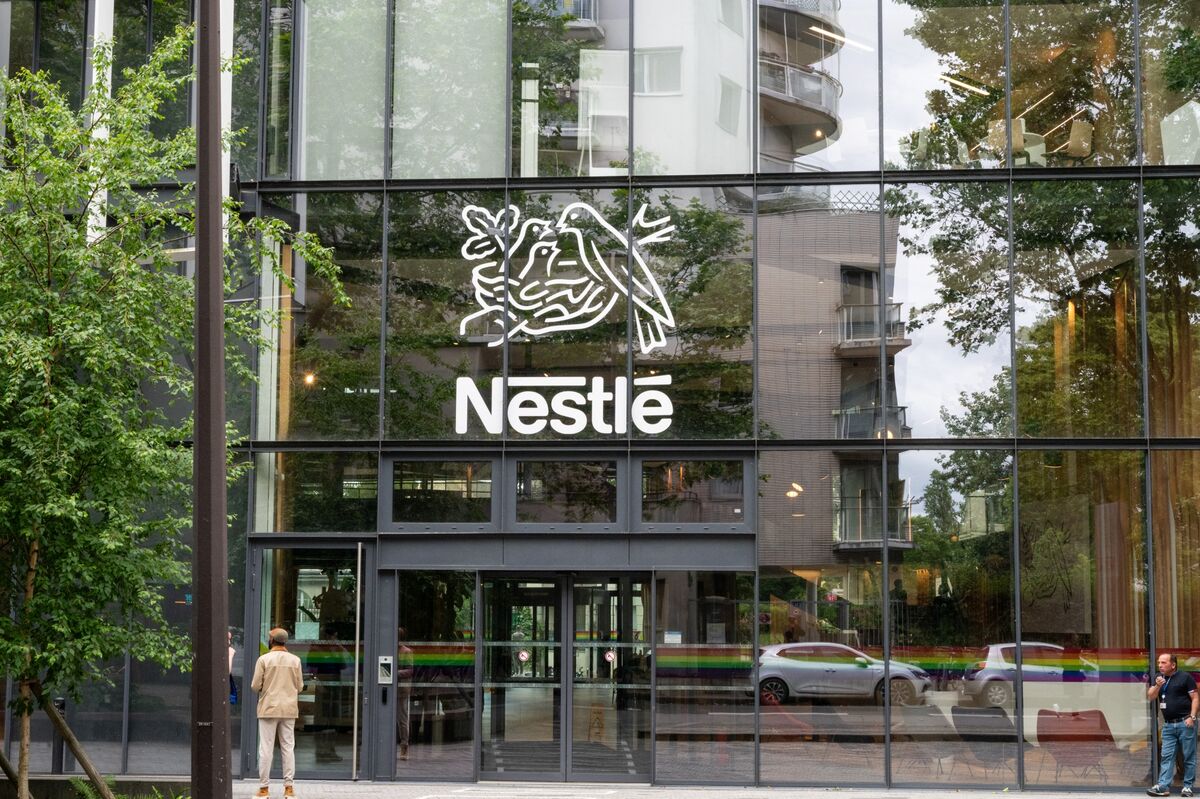
French authorities raided Nestlé SA's local headquarters near Paris as part of a deepening investigation into the company's use of prohibited filtering methods for natural mineral waters. Confirmed by the country's anti-fraud office, DGCCRF, these evidence-gathering inspections underscore escalating regulatory scrutiny over Nestlé's bottled water operations, potentially impacting its market position and brand integrity.
French authorities have raided Nestlé SA's local headquarters near Paris, a significant escalation in the deepening investigation into the company's bottled mineral water operations. The raid, confirmed by the French anti-fraud office (DGCCRF), was for evidence-gathering related to the alleged use of prohibited filtering methods. This action moves the issue beyond a simple inquiry into a formal legal and regulatory challenge, carrying a strongly negative sentiment and a moderate market impact score. The development puts Nestlé under a microscope for its legal compliance, management, and governance, posing a material risk to the brand's reputation and consumer trust in its key water division, which could lead to potential regulatory sanctions.
AI-powered research, real-time alerts, and portfolio analytics for institutional investors.
Request DemoOverall Sentiment
strongly negative
Sentiment Score
-0.70
