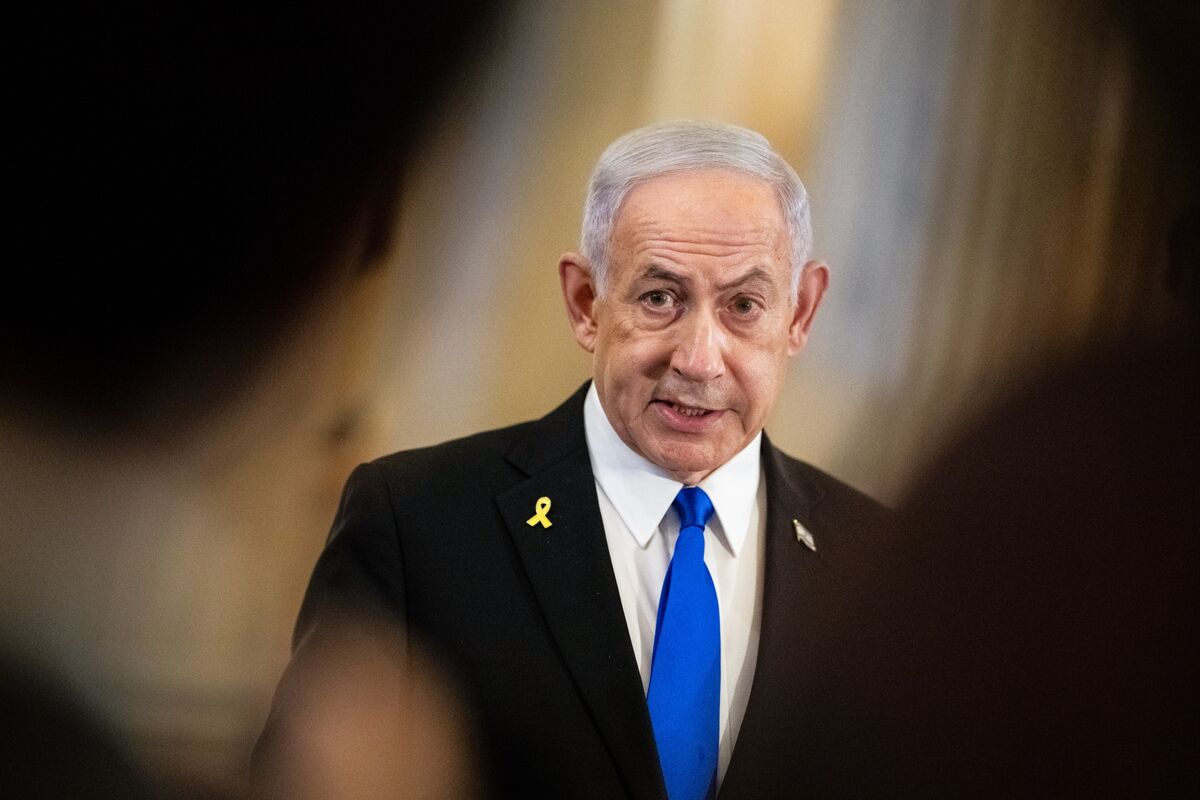
Israeli Prime Minister Benjamin Netanyahu's government is politically weakened and will become a minority administration following the departure of two ultra-Orthodox parties. Despite this, he maintains control until at least late October, continuing to pursue key objectives like a Gaza ceasefire, military dominance in southern Syria, and shaping US policy toward Iran. This development introduces heightened political fragility in Israel, yet ensures near-term policy continuity before potential elections.
The Israeli government, led by Prime Minister Benjamin Netanyahu, is entering a period of heightened political fragility following the departure of two ultra-Orthodox parties, which will leave him at the helm of a minority government. Despite this significant political weakening, the immediate risk of a government collapse is contained, as it is not anticipated to dissolve until at least late October, with new elections unlikely for another three months thereafter. This dynamic creates a window of near-term policy continuity, during which Netanyahu's administration is expected to maintain its focus on key strategic objectives, including a Gaza ceasefire, military operations in southern Syria, and influencing US policy on Iran. The low market impact score of 0.25 suggests that investors are currently pricing in this short-term stability, while the mixed sentiment score of -0.1 reflects the underlying tension between immediate continuity and the inevitable medium-term political uncertainty.
AI-powered research, real-time alerts, and portfolio analytics for institutional investors.
Request DemoOverall Sentiment
Mixed
Sentiment Score
-0.10
