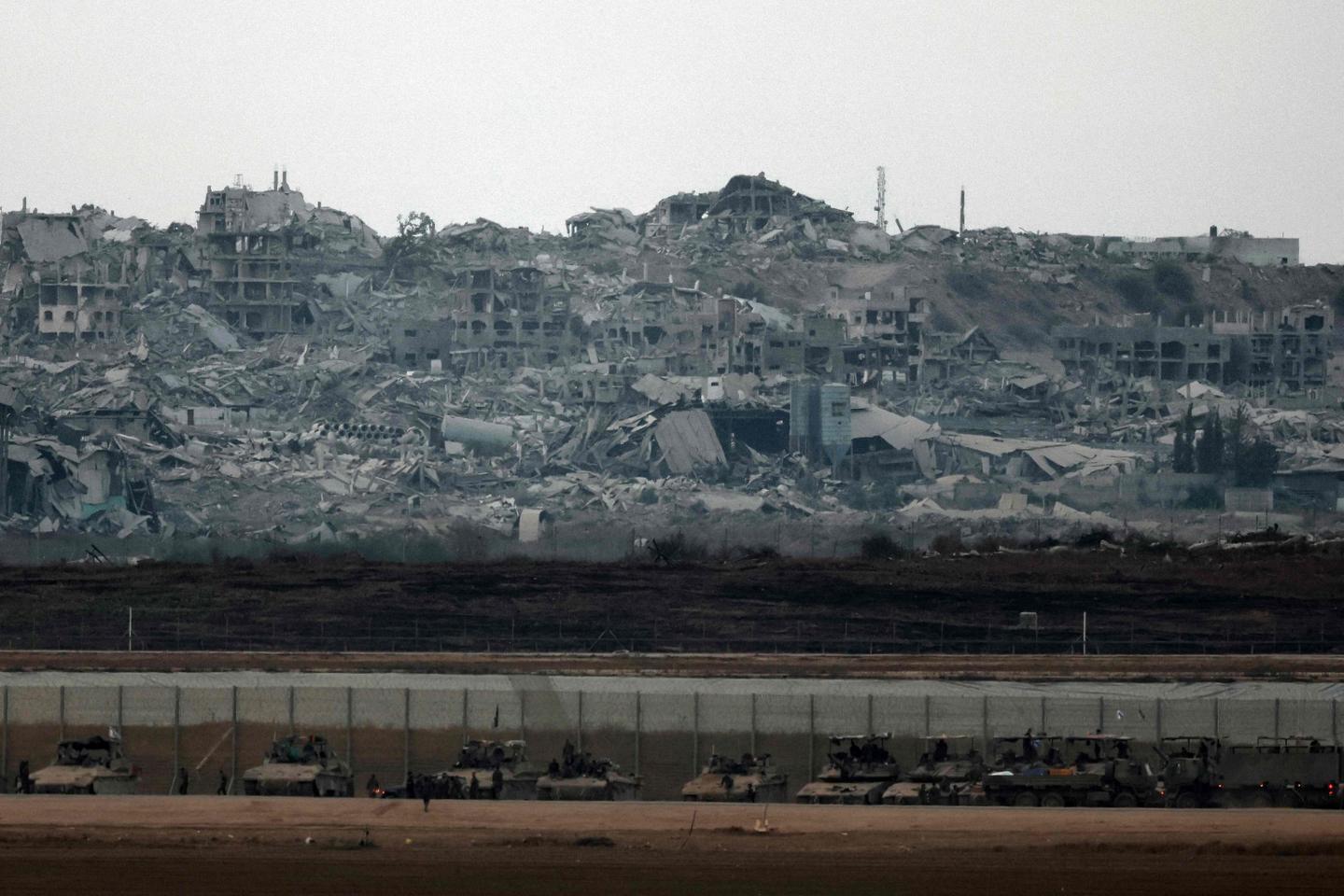
Israeli Prime Minister Benjamin Netanyahu has confirmed a full-scale military offensive on Gaza City, aiming to occupy a key Hamas stronghold, while concurrently stating a desire for immediate negotiations to release all hostages and end the war on Israeli terms. This stance effectively dismisses a recent Egypt- and Qatar-brokered ceasefire, which Hamas accepted and included a 60-day truce and a limited hostage exchange. Netanyahu's preference for a comprehensive agreement, despite his historically shifting positions on peace deals, signals continued geopolitical instability in the region.
The Israeli government is pursuing a dual-track strategy of aggressive military escalation in Gaza City alongside a call for comprehensive negotiations on its own terms. This approach constitutes an explicit rejection of a recent ceasefire proposal brokered by Egypt and Qatar, which had been accepted by Hamas and included a 60-day truce, thereby closing a potential near-term diplomatic off-ramp and elevating regional uncertainty. The prime minister's negotiating position is described as historically inconsistent and driven by domestic 'political interests,' introducing a high degree of unpredictability that underpins the associated strongly negative sentiment (-0.6) and high market impact score (0.7). This dynamic suggests investors should anticipate prolonged geopolitical volatility rather than a swift resolution, with continued high-level defense spending implied by the commitment to a major ground operation.
AI-powered research, real-time alerts, and portfolio analytics for institutional investors.
Request DemoOverall Sentiment
strongly negative
Sentiment Score
-0.60
