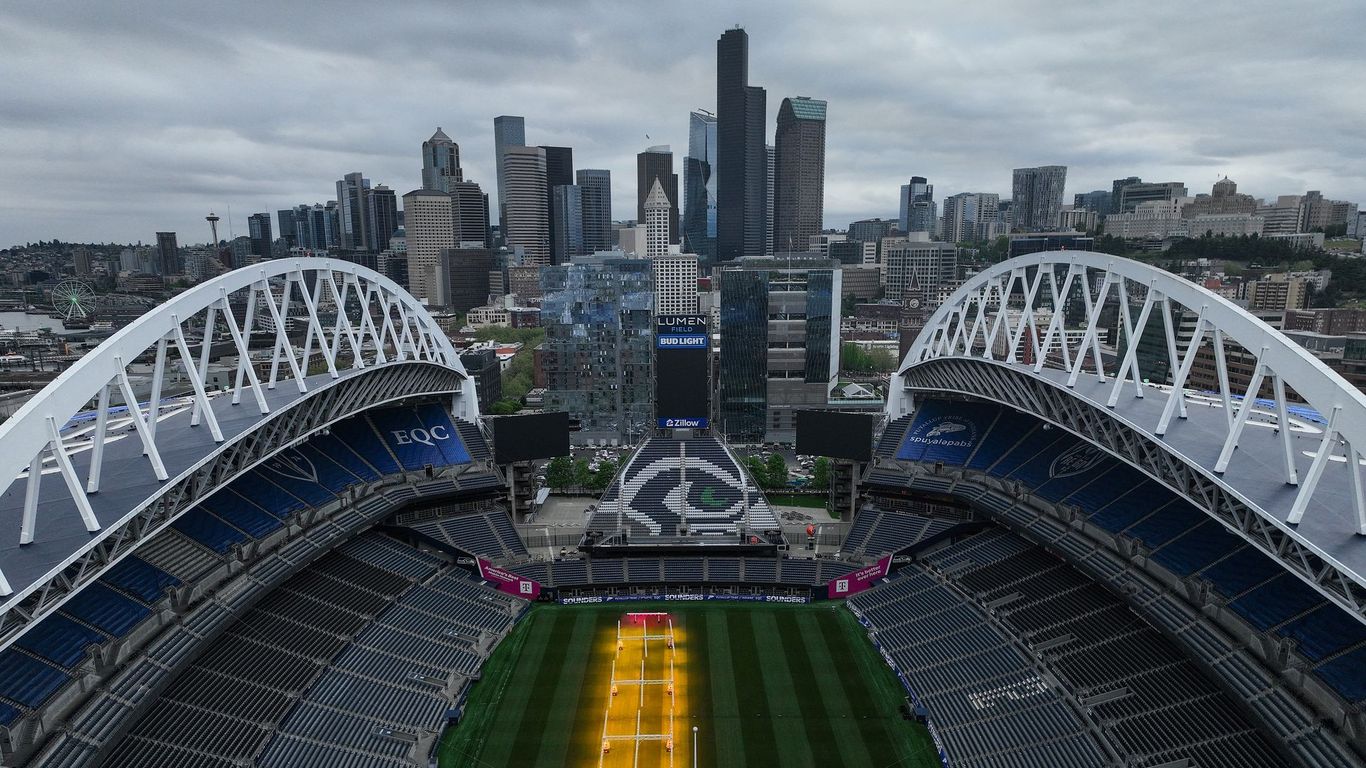
Seattle will host six FIFA World Cup matches at Lumen Field on June 15, 19, 24, 26, July 1 and July 6, driving temporary disruptions across streets, rail, ferries and buses. Pioneer Square will see parking bans starting at 2am on match days and street closures about four hours before kickoff, while Sound Transit expects transit lines to remain crowded for up to two hours after games. The city and transit agencies are adding service and backup ferry staffing, but this is primarily an operational/logistics story rather than a market-moving event.
This is a short-duration demand shock, not a structural re-rating. The key alpha is in the transfer of spend from private transport to transit, concessions, and adjacent downtown foot traffic, while the friction costs fall disproportionately on time-sensitive local commuters and low-inventory operators. The biggest second-order winner is the “service reliability” complex: transit operators, last-mile shuttles, and parking operators with offsite inventory can monetize congestion while downtown merchants with appointment-driven traffic likely see a same-day hit.
The operational risk is less the event itself than the crowding envelope around it. Two-hour post-event lines imply missed connections, abandoned trips, and spillover into surrounding retail windows; that tends to compress discretionary spend into fewer, larger baskets and favor high-throughput formats over browse-heavy stores. For logistics, the important effect is not freight disruption citywide, but localized schedule slippage for couriers, food delivery, and field service, which can create temporary labor inefficiency and higher peak wage bids in the central core.
The contrarian view is that the market may overestimate incremental economic uplift from six match days. A lot of the spend is substitutional — locals shifting timing and channel rather than creating new demand — while the real monetization likely accrues to operators with pricing power over scarce access, not to the citywide retail base. If transit and shuttle performance is smoother than expected, the congestion premium disappears quickly after the event window, making this more of a tactical trade than a durable theme.
AI-powered research, real-time alerts, and portfolio analytics for institutional investors.
Request DemoOverall Sentiment
neutral
Sentiment Score
0.05
