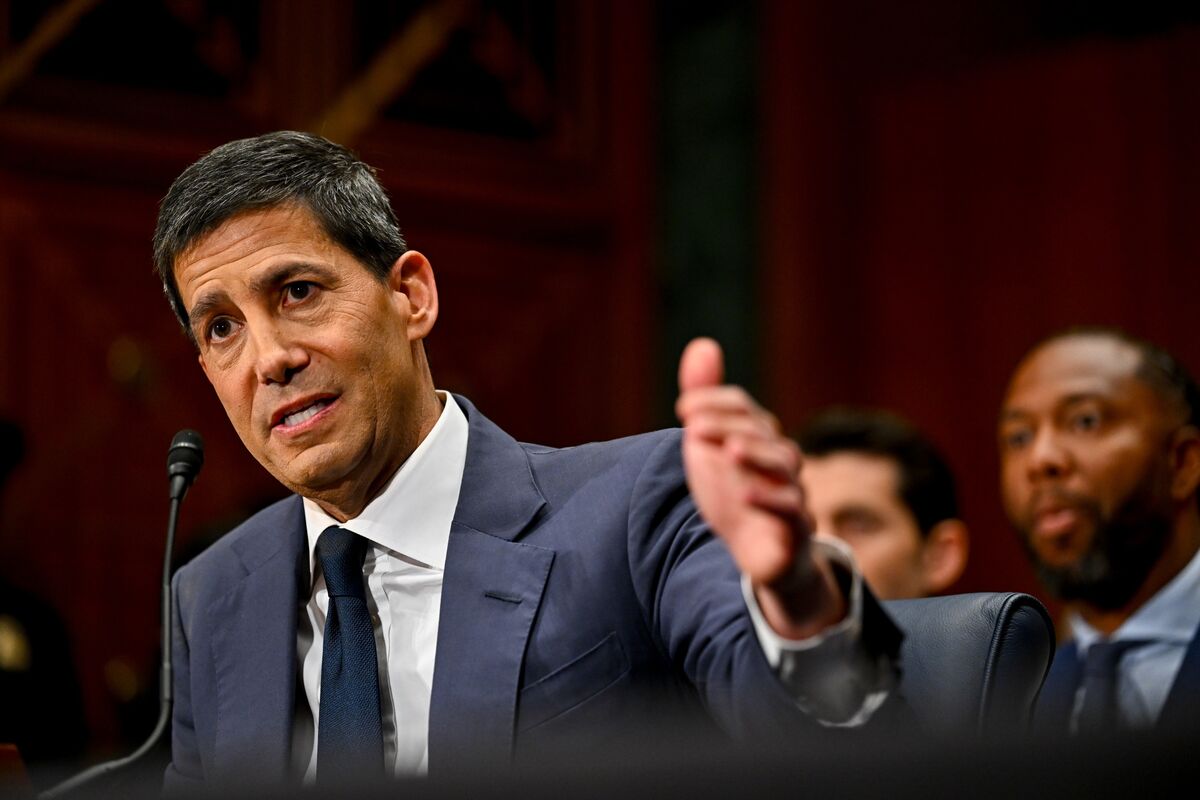
Kevin Warsh, President Donald Trump’s nominee for Fed chair, denied any connections to Jeffrey Epstein after his name appeared in DOJ-published Epstein files. In a written response to Senator Elizabeth Warren, Warsh said he did not know the people referenced, did not attend their events, and was unaware of ever being at an event where they were present. The article is primarily a reputational and confirmation-process update with limited direct market impact.
The market implication here is not about one biography headline; it is about governance fragility around an already politically charged Fed appointment. Even if the underlying allegation risk proves negligible, the process can still lower the nominee’s effective probability of confirmation, which matters because higher uncertainty tends to compress the odds of a clean transition and prolongs policy ambiguity for rates, banks, and rate-sensitive equities.
Second-order, the longer this remains in the news cycle, the more it shifts the confirmation battle from macro competence to character defense. That is usually a win for the administration’s anti-establishment base but a drag on moderates who care about institutional credibility; the practical effect is that any market-friendly signaling from a potential chair gets discounted until the Senate calendar clears. In that window, the Federal Reserve remains the dominant policy anchor, so markets may pay a modest premium for continuity and avoid pricing in aggressive personnel-led regime change.
The contrarian view is that this is likely a short half-life headline unless corroborating evidence emerges. Political scandals of this type often create a 1-2 week volatility burst but fade unless they broaden into ethics, disclosure, or perjury questions; absent that, the tradeable effect is more about confirmation odds than fundamentals. The real tail risk is not the allegation itself but a drawn-out Senate process that leaves a vacuum and forces investors to reprice the probability of a more dovish or more hawkish chair selection later in the cycle.
AI-powered research, real-time alerts, and portfolio analytics for institutional investors.
Request DemoOverall Sentiment
neutral
Sentiment Score
-0.10
