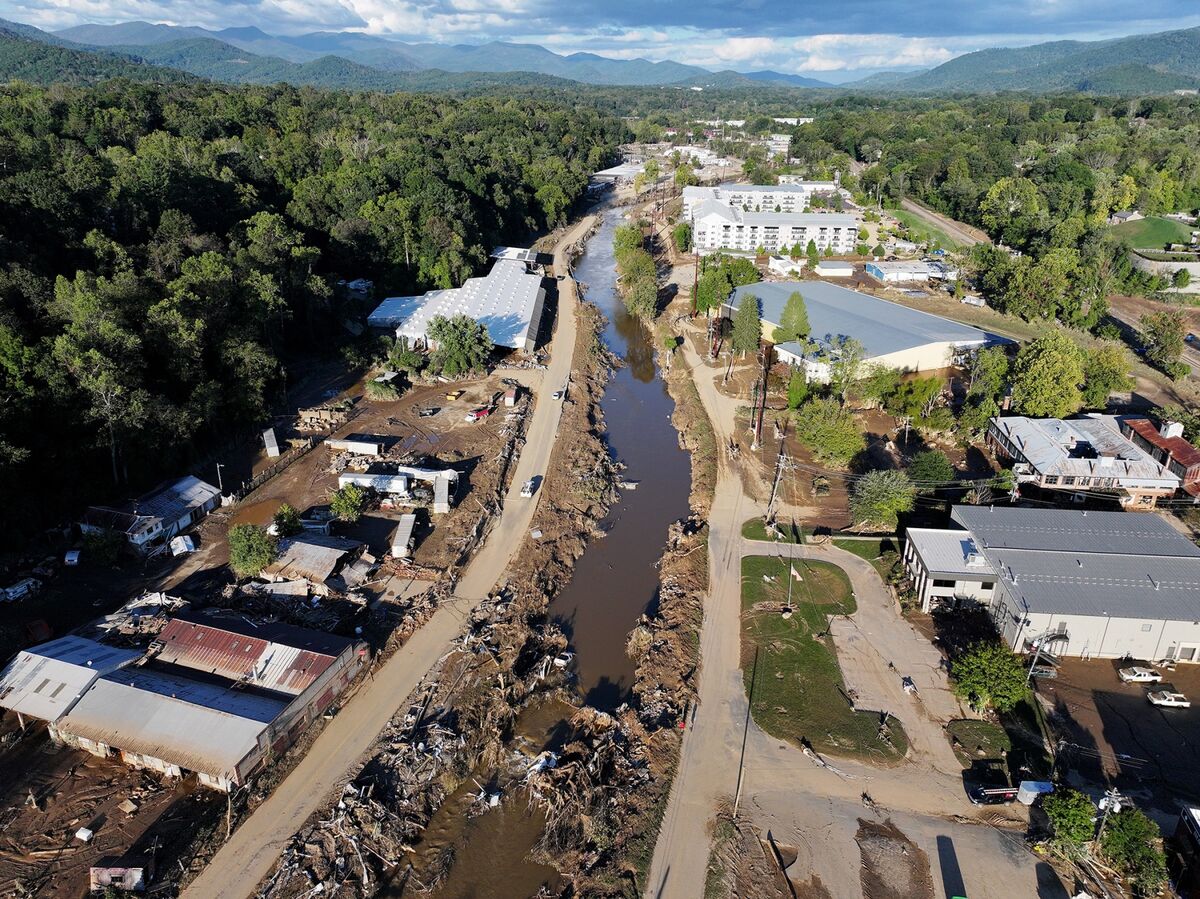
Despite a currently quieter Atlantic hurricane season than predicted, the presence of warm waters in the Gulf of Mexico indicates that late-season hurricanes remain a significant threat. This risk is underscored by last year's Helene and Milton, which formed late in September and collectively caused $113 billion in damages and losses in the U.S., suggesting that it is premature to discount the potential for severe economic impact from future storm activity.
Despite the Atlantic hurricane season being less active than initially forecasted, significant underlying risk remains due to unusually warm waters in the Gulf of Mexico. This condition creates a material threat for late-season hurricane formation, a risk underscored by the precedent of last year's storms, Helene and Milton. These late-September hurricanes resulted in an estimated $113 billion in economic losses and damages, demonstrating the severe financial impact that can occur even after the typical peak of the season. The current lull in storm activity may be fostering a sense of complacency in the market, but the physical conditions for powerful, destructive storms are present, posing a notable tail risk to exposed sectors and regional economies.
AI-powered research, real-time alerts, and portfolio analytics for institutional investors.
Request DemoOverall Sentiment
strongly negative
Sentiment Score
-0.70
