
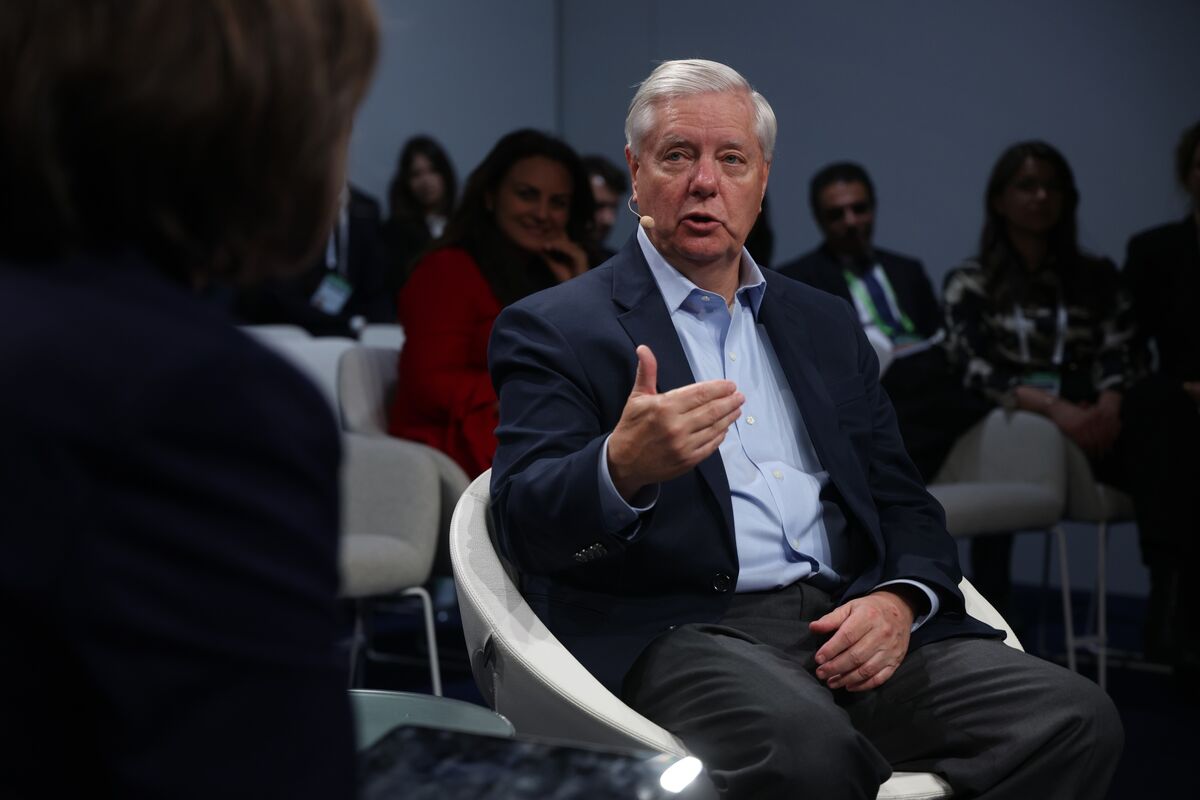
South Carolina Sen. Lindsey Graham’s sudden death has triggered Republican jockeying to fill his seat. Gov. Henry McMaster will name a replacement on Monday to serve the remainder of Graham’s term through Jan. 3, 2027, with a statewide GOP primary required by Aug. 11 and the winner on the ballot in November.
This is more a personnel and donor-network event than a tradable macro shock. Because the seat is almost certainly staying in the same partisan column, the market-relevant question is not policy reversal but whether the replacement is an institutionalist or a firebrand; that only matters at the margin for defense, foreign-policy, and appropriations lobbying, and the effect should be small unless the appointee changes committee dynamics or becomes a fundraising magnet.
The near-term beneficiaries are local media and political consultants if the primary gets competitive, but that spend is likely too small to move public equities. A more interesting second-order effect is on Washington access: a new senator with less seniority will have less influence over earmarks and defense priorities, which can subtly matter for contractors and South Carolina-linked industrial names over 6-18 months, but only if the replacement eventually wins a full term and builds power.
Contrarian view: the consensus may be overestimating policy noise and underestimating how quickly this fades. Unless the governor surprises with a highly ideological pick, this should be a low-volatility event with no durable sector read-through. The only real catalyst is an unexpectedly nasty primary or a candidate with a clear national-security posture that shifts lobbyist expectations; absent that, any price reaction in defense or political-media proxies should mean-revert within days to weeks.
AI-powered research, real-time alerts, and portfolio analytics for institutional investors.
Request TrialOverall Sentiment
neutral
Sentiment Score
-0.05
Ticker Sentiment
