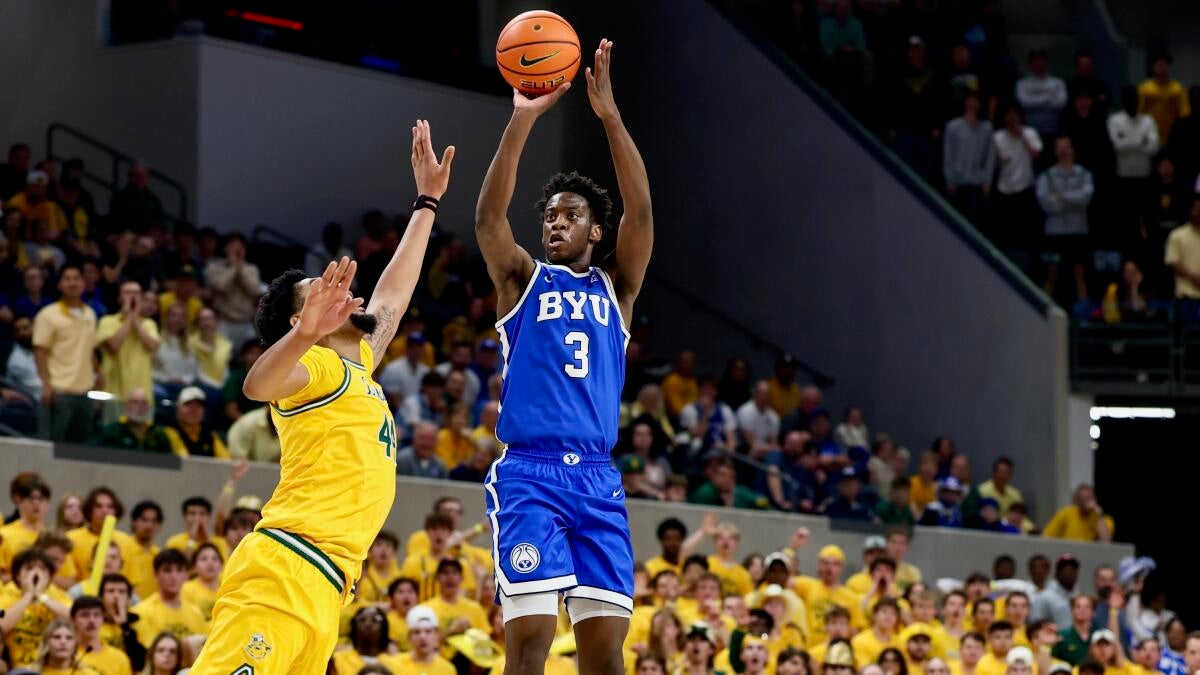
The 2026 NBA Draft lottery set the top of the board, with Washington at No. 1, Utah at No. 2, Memphis at No. 3, Chicago at No. 4, and the Clippers at No. 5 after a protected pick from Indiana conveyed. Adam Finkelstein’s first mock projects AJ Dybantsa to the Wizards, Darryn Peterson to the Jazz, and Cameron Boozer to the Grizzlies. The piece is largely draft-coverage analysis rather than market-moving news, though it highlights the Clippers as the biggest lottery winner.
The real market impact here is not the draft itself but the redistribution of future optionality across a handful of franchises. The Wizards, Jazz, and Grizzlies have effectively bought themselves a multi-year valuation reset: top-pick outcomes matter less than the signaling effect that a clean rebuild can attract cheap minutes, patient coaching, and eventually veteran trade bids. The Clippers are the clearest second-order winner because the lottery result converts a previously uncertain asset into a near-certain roster lever; that matters more than the player-quality delta, since it preserves flexibility in a market where draft capital is increasingly a currency for star access.
The biggest underappreciated risk is concentration of downside in teams that are implicitly “draft-dependent” for attendance and local engagement. If the top of the board turns into a consensus two- or three-player tier, the gap between pick No. 1 and No. 4 becomes less about talent and more about narrative, which can suppress the immediate civic lift these franchises are counting on. In the same way, clubs picking later than expected may end up with better fit and lower volatility, but lose the pricing power that comes from controlling a premium asset in trade discussions.
The contrarian view is that the first few slots may be overvalued by the market relative to the actual dispersion of outcomes. In a deep draft, the true edge can come from the 8-20 range where teams can draft immediate rotation players on cheaper contracts, avoiding the all-or-nothing bet embedded in the top picks. That favors patient teams with multiple picks and strong development infrastructure more than teams chasing a savior at No. 1.
Catalyst-wise, the next four to six weeks matter more than draft night itself: combine measurements, medicals, and private workouts will likely reshape the board and expose which teams are anchoring on fit versus pure talent. Any sign that one of the top prospects has a medical or availability setback would materially flatten the lottery winner premium and increase the value of later picks as trade chips.
AI-powered research, real-time alerts, and portfolio analytics for institutional investors.
Request DemoOverall Sentiment
neutral
Sentiment Score
0.05
