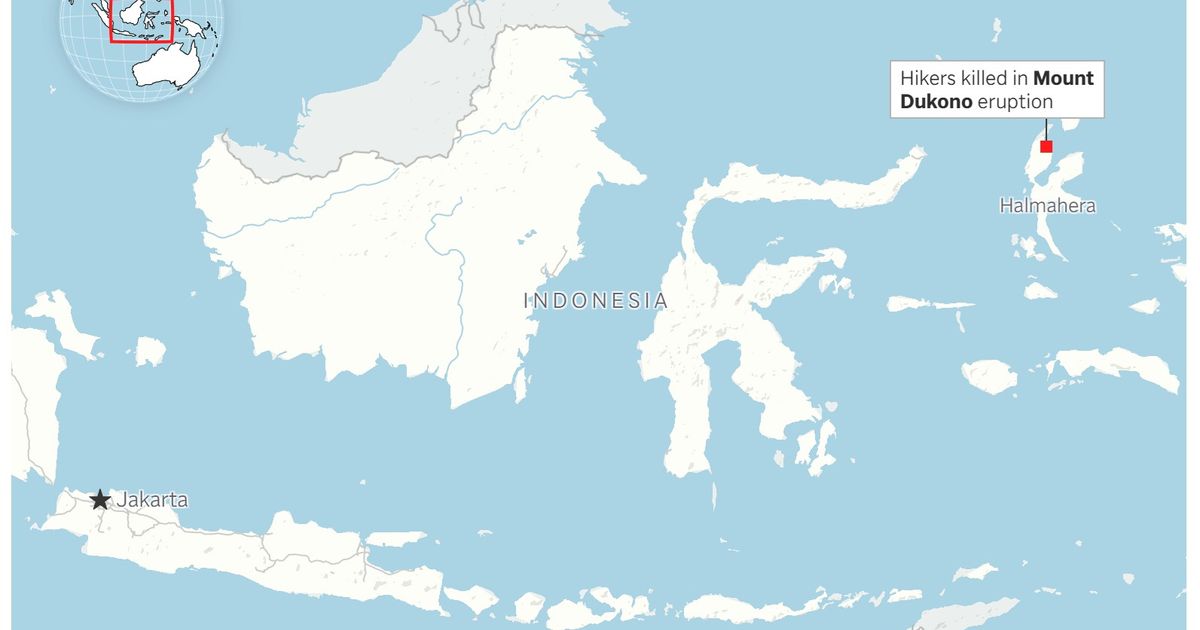
One Indonesian hiker was found dead after Mount Dukono erupted, while search teams continued looking for two missing Singaporean climbers amid ongoing volcanic activity. Seventeen of the 20 hikers were evacuated, including 7 Singaporeans and 2 Indonesians, but 10 evacuees suffered minor burn injuries. Authorities have reinforced a 4-kilometer exclusion zone and warned of legal sanctions for entering restricted areas.
This is not an isolated humanitarian event; it is a live stress test for Indonesia’s enforcement credibility around active-volcano tourism. The medium-term winner is the formal travel ecosystem—licensed operators, higher-compliance tour platforms, and insurers—because the incident should accelerate permit enforcement and route closures, pushing demand away from informal guides and into bookable, insured packages. The loser set is broader than the immediate region: adventure-travel demand to secondary Indonesian destinations can see a short-lived booking freeze as global consumers conflate venue-specific risk with country-level safety.
The second-order effect is on public-sector and rescue spending rather than commodity supply. Expect incremental procurement for drones, comms, monitoring equipment, and disaster-response logistics over the next 3-12 months as authorities try to avoid reputational damage from a failure-to-enforce narrative. That creates a mild positive read-through for defense/industrial contractors with Southeast Asia exposure, but the magnitude is small and likely buried inside broader EM budget noise.
Consensus will likely overestimate the persistence of the tourism hit. These shocks usually compress demand for 2-6 weeks, then normalize unless the event becomes a symbol of governance failure or triggers a broader aviation disruption. The real tail risk is not tourist cancellations; it is an extended ash event forcing flight reroutes or airport interruptions, which would convert a local incident into a regional travel and logistics issue. That would matter more for airlines, OTAs, and travel insurers than for the local economy.
Contrarian angle: the market may underappreciate how quickly enforcement can become a positive signal. A visible crackdown on restricted-zone access can improve long-run destination quality and reduce loss ratios for underwriters pricing adventure-travel cover. If authorities use this incident to demonstrate tighter monitoring, the medium-term effect could be mildly bullish for compliant operators even as headline sentiment stays negative.
AI-powered research, real-time alerts, and portfolio analytics for institutional investors.
Request DemoOverall Sentiment
strongly negative
Sentiment Score
-0.60
