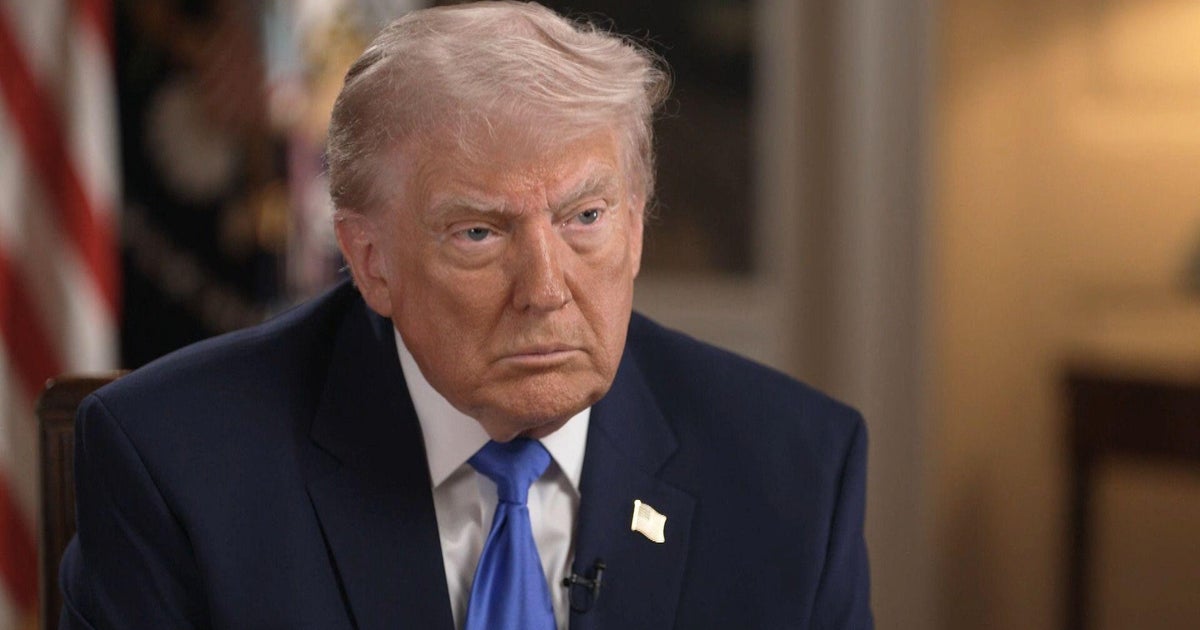
President Trump described a recent attempted assassination at a White House Correspondents’ Dinner-related event, saying the gunman was quickly subdued and that no one was killed or seriously injured. He discussed security changes, including a new ballroom with higher security standards and earlier Secret Service/FBI learnings about the suspect’s manifesto and motives. The interview also touched on political violence, media conflict, and Trump’s plans to revisit the event, but it contained limited direct market-relevant information.
The market implication is not the interview itself; it is the normalization of elevated political-security risk around the executive branch. That tends to be mildly bullish for defense, perimeter security, biometrics, and event-security vendors, but the bigger second-order effect is budget reprioritization: agencies with visible threat exposure tend to get faster procurement cycles, while nonessential discretionary spending at venues, media events, and campaign operations gets delayed or re-scoped.
The more interesting read-through is to governance and litigation. If the White House is pushing a more security-centric posture, the cost of compliance rises for hotels, convention centers, and public venues near federal events, which favors firms with integrated screening, access control, and monitoring capabilities. In contrast, media and entertainment names with live-event exposure face a small but real overhang from higher cancellation risk, insurance costs, and potentially tighter venue insurance underwriting over the next 6-12 months.
The contrarian point: the incident likely increases polarization more than it changes policy. That means the knee-jerk bid for broad “political risk hedges” may fade quickly unless there is another event within weeks. The cleaner trade is to own the pick-and-shovel beneficiaries of security spend, not to chase a macro de-risking trade that may reverse as the news cycle moves on.
For litigation, any renewed attacks on press institutions or large media settlements matter less for headline sentiment than for balance-sheet reserve behavior; one-off legal wins can support cash, but they do not fix structural ad softness. On balance, this is a catalyst for idiosyncratic winners in defense/security and a modest headwind for live-events/media, with most equity beta impact likely short-lived.
AI-powered research, real-time alerts, and portfolio analytics for institutional investors.
Request DemoOverall Sentiment
neutral
Sentiment Score
-0.10
