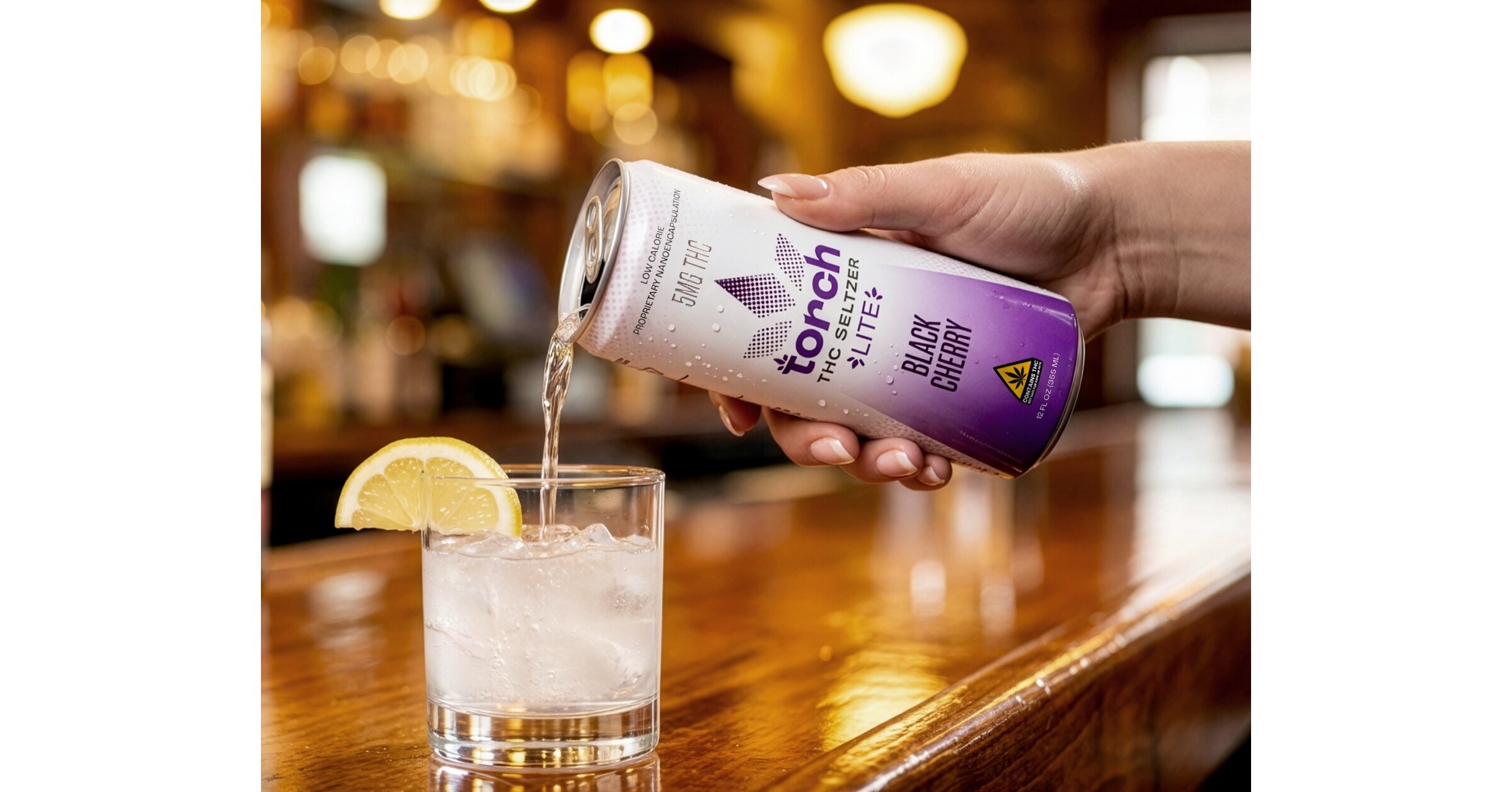
Torch Beverages reports revenue up year over year with expansion to 4,000+ retail locations across 20+ states and sales of 5 million+ cans, positioning it among the fastest-growing hemp-derived THC beverage brands. The company adds marketing leaders from Halo Top, Liquid Death, and White Claw as it scales brand-building, while the industry faces a federal “total THC” rule set to take effect Nov. 12, 2026 that Congress is seeking to delay or revise. Management frames potential regulation as a path to a more mature CPG-like market, which they believe will reward compliant, enduring brands.
Torch is signaling a CPG playbook, which matters because the value will accrue to the brands that can win repeat purchase, not the loudest THC claims. That typically favors distribution-heavy operators, contract manufacturers, and packaging suppliers before it favors any single branded name; it also means weaker alcohol/RTD brands are the first to lose shelf relevance as retailers test higher-margin, higher-velocity substitutes. For FIZZ, the read-through is closer to neutral than bullish: its core consumers overlap more with “better-for-you” refreshment than with THC-driven social occasions, so the bigger risk is channel noise rather than direct share loss.
The key catalyst is regulatory, not demand. If the November rule lands without delay, the category could face SKU removals, reformulation costs, and inventory write-downs within weeks, which would compress growth expectations across the hemp-derived THC beverage set. If Congress delays or softens it, the runway shifts from days to months, and the market will start valuing these names on repeat velocity and retailer expansion instead of legal survivability.
The contrarian point is that this is still mostly a brand narrative, not a proven earnings stream. Consensus may be underestimating how quickly THC beverages can take alcohol occasions once merchandised like mainstream drinks, but it is also probably overestimating durability until scanner data proves repeat rates. For public equities, the cleanest expression is not a direct long here; it is a cautious bearish view on alcohol exposure into the regulatory window, while treating any THC-beverage upside as conditional until the November policy path is clear.
AI-powered research, real-time alerts, and portfolio analytics for institutional investors.
Request DemoOverall Sentiment
mildly positive
Sentiment Score
0.25
Ticker Sentiment
