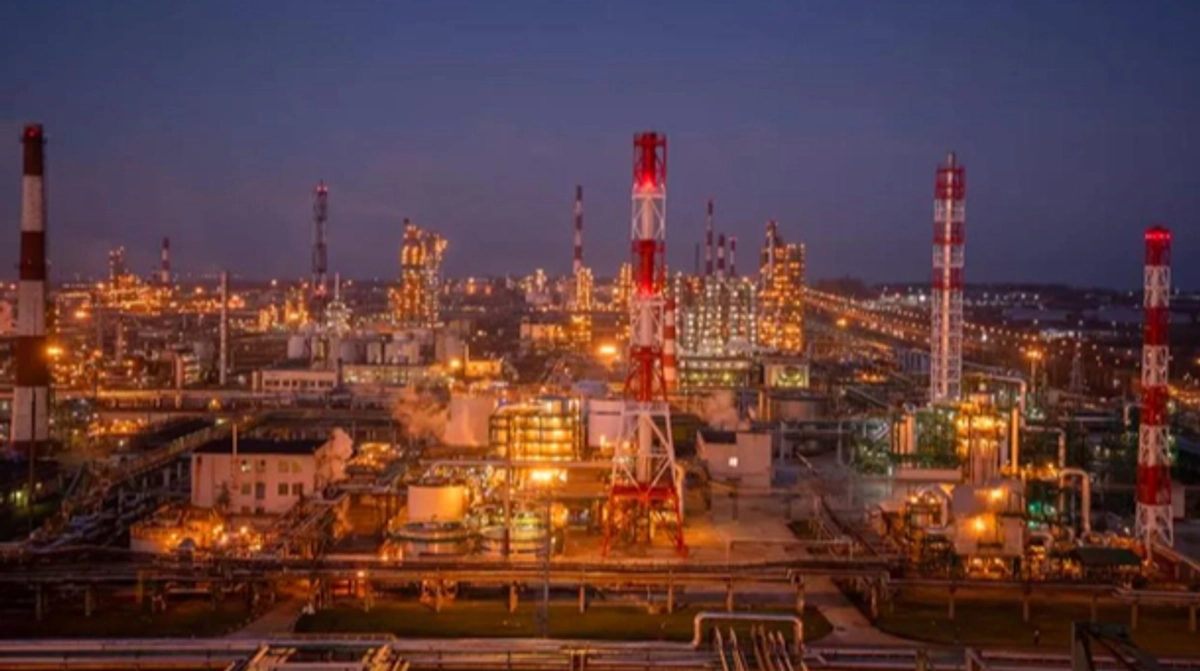
Ukraine confirmed long-range drone strikes on a Russian oil refinery about 700 km from the border, with Zelenskyy saying further long- and medium-range strikes are being prepared. The attack highlights ongoing escalation risks for Russian energy infrastructure and could keep geopolitical risk premiums elevated in energy markets. The article also notes drone warnings and temporary traffic disruption in Russia's Yaroslavl Oblast overnight on 21-22 May.
The market implication is less about the single refinery and more about the escalation in target quality: deep-range drone capability raises the probability that Russia has to re-price rear-area energy infrastructure risk, which is usually under-hedged relative to front-line assets. That creates a slow-burn supply premium in refined products first, then in crude if repeated strikes force precautionary shutdowns, maintenance deferrals, or higher security-related downtime across a wider cluster of facilities.
Second-order, the asymmetry is better for cracks than outright crude. Russia can often reroute crude flows or absorb localized damage, but disruptions to refining/export nodes tighten diesel and gasoline balances faster, especially heading into the higher-demand summer driving and agricultural period in the Northern Hemisphere. That supports relative strength in fuel-linked equities and product spreads even if headline Brent reaction remains modest.
The key risk is not a one-off outage but an iterative campaign that changes operator behavior: if insurers, shippers, and plant managers start pricing in recurring strikes, the margin hit compounds through higher logistics costs and lower utilization. The timeline matters: near-term dislocations are days to weeks; a sustained premium requires evidence of repeated successful strikes over 1-2 months. A reversal would come from either rapid air-defense adaptation or a diplomatic de-escalation that reduces the probability of follow-on attacks.
Consensus may be underestimating how quickly this can spill into non-Russian assets: European diesel-sensitive industrials, airlines, and chemicals are the more fragile second-order losers if product prices spike while crude stays rangebound. The trade is therefore not a blunt long-energy call, but a relative-value play on refined products and supply-chain beneficiaries versus transport and fuel-intensive consumers.
AI-powered research, real-time alerts, and portfolio analytics for institutional investors.
Request DemoOverall Sentiment
mildly negative
Sentiment Score
-0.35
