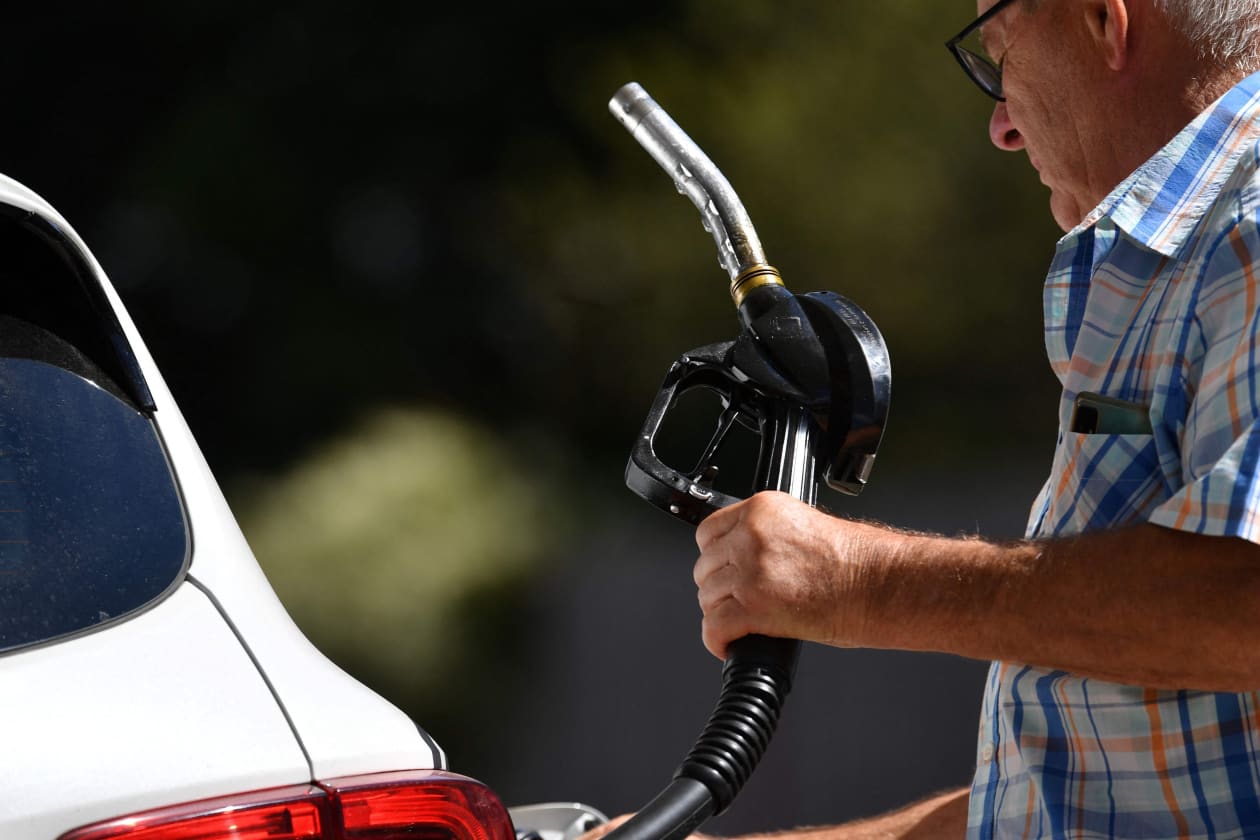
Key event: Republican Senate candidate Michele Tafoya said supporters of Trump and the war in Iran should accept higher gasoline prices and 'take one less trip to Starbucks.' The comment links geopolitical support for conflict to tolerance for higher energy costs and could amplify political debate over fuel prices in the Minnesota Senate race, but it is unlikely to move markets or oil prices materially.
Political normalization of higher pump prices is a demand-shift vector more than a pricing signal: if voters accept higher gasoline as the price of geopolitical posture, discretionary out‑of‑home consumption (coffee shops, quick service restaurants, short leisure trips) will reallocate faster to substitution patterns. A sustained 10–15% lift in gasoline spending over 1–3 months typically depresses non‑essential foot traffic by mid‑single digits, concentrating pain on low‑margin, high‑frequency retailers without sticky loyalty economics.
On the supply side, a credible risk of tighter Middle East supply favors short‑cycle refiners and regional margin capture (domestic crack spreads widen before upstream capex responds). Second‑order winners are firms with pricing pass‑through (national chains, large grocery/warehouse clubs) and refiners that can convert higher crude into outsized cash flow; losers include airlines, small foodservice operators, and any retail segment where marginal trips are discretionary. Starbucks sits in the middle — brand loyalty and subscription mechanics blunt the near‑term traffic hit, but margin pressure comes through higher distribution and labor intensity per ticket.
Timing and catalysts are binary and layered: days–weeks for headline‑driven pump spikes, 1–3 months for retail traffic elasticity to show up in comps, and quarters for capex/production responses to materialize. Reversals are equally clear — a diplomatic detente or coordinated SPR release can knock crude back 8–15% within 30–90 days and restore discretionary patterns; conversely, escalation to maritime chokepoint disruption could produce a 15–30% crude move in weeks, quickly amplifying the retail reallocation described above.
AI-powered research, real-time alerts, and portfolio analytics for institutional investors.
Request DemoOverall Sentiment
neutral
Sentiment Score
0.00
Ticker Sentiment
