

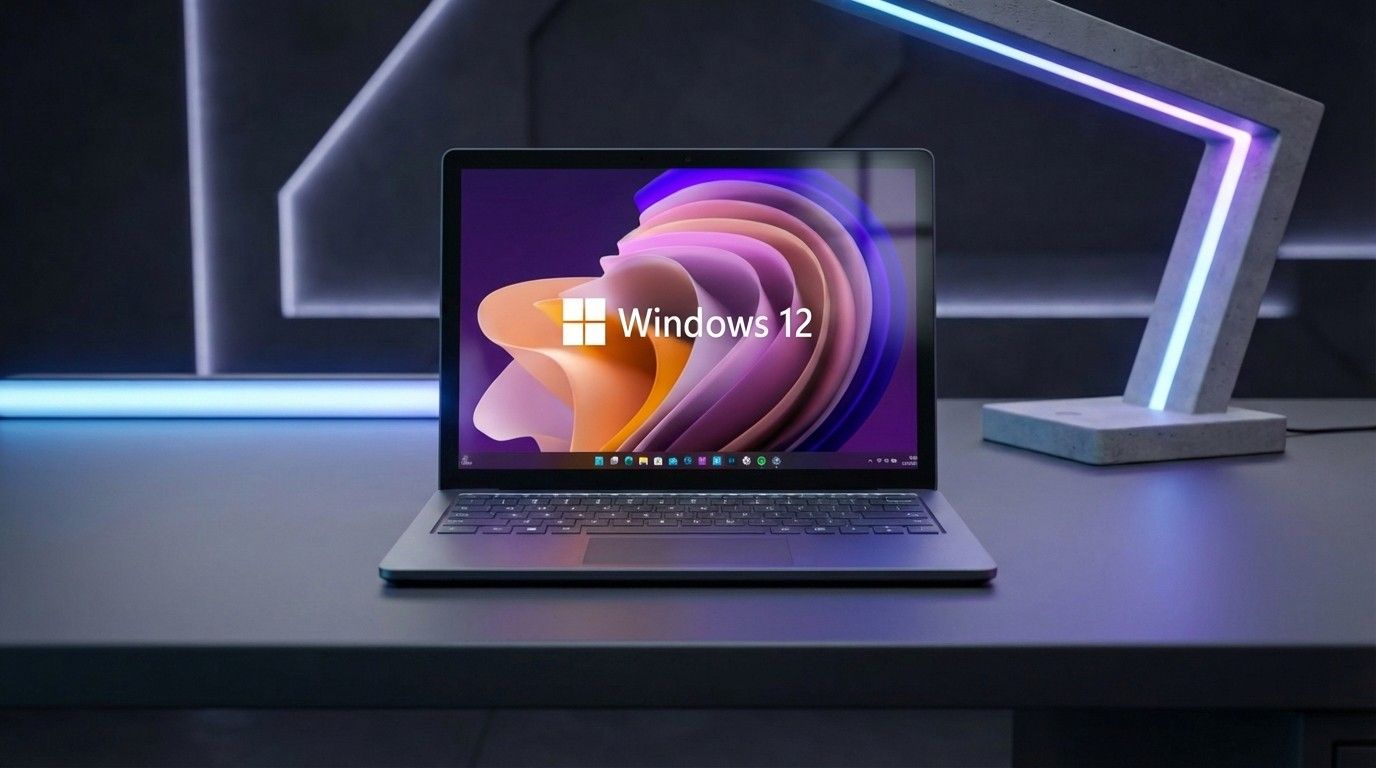
A widely circulated report claiming a modular, AI-driven “Windows 12” launch this year is incorrect; contacts familiar with Microsoft's roadmap indicate no Windows 12 is planned for 2024 and platform work will focus on fixing and improving Windows 11. The CorePC modular-OS effort appears to have been shelved, Microsoft is prioritizing usability and reducing AI bloat (e.g., taskbar, compatibility) for 2026, and any true Windows 12 rollout is unlikely before 2027. For investors, this reduces the chance of near-term product-led revenue disruption or market fragmentation but underscores ongoing reputational and adoption risks tied to Windows 11 that could influence sentiment over time.
Market structure: Debunking a near-term Windows 12 reduces fragmentation risk and is a modest net positive for Microsoft (MSFT) and large ISVs because enterprise upgrade complexity stays lower for the next 12–24 months. PC OEMs (HPQ, DELL) are relative losers — absence of an OS-driven refresh catalyst likely depresses replacement cycles by ~3–6 months, pressuring unit growth in the next two quarters. Platform pricing power stays with MSFT; third-party AI desktop vendors lose optionality to capture a new OS-enabled market.
Risk assessment: Tail risks include an antitrust/regulatory push on AI bundling (<10% probability over 12–36 months) that could force feature divestitures and >10% multi-quarter EPS hit in affected segments, and an operational risk where reputational damage drives slower enterprise adoption (realized in next 1–4 quarters). Immediate (days) volatility is low; short-term (weeks/months) sentiment swings can move shares ±3–7%; long-term (≥12 months) depends on whether MSFT successfully “right-sizes” Windows 11.
Trade implications: Size positions to reflect low market-impact score: favor modest long MSFT exposure hedged by puts and exploit OEM weakness via a short HPQ/DELL bias for 3–6 months. Use defined-risk option structures (6-month call spreads on MSFT, short put spreads if implied vol >10ppt above 90-day mean) to monetize muted but asymmetric upside if product fixes rebound sentiment around Build/earnings.
Contrarian angles: Consensus underestimates the re-rating potential if MSFT visibly reverses AI bloat — a successful Windows 11 remediation could trigger a 10–20% re-rating within 6–12 months, similar to post-crisis product recoveries. Conversely, the market may be over-discounting OEMs’ dependence on an OS refresh; if enterprises delay PC replacements only modestly (<6 months), HPQ/DELL downside is limited. Watch for unexpected winners among middleware vendors that enable Windows 11 fixes.
AI-powered research, real-time alerts, and portfolio analytics for institutional investors.
Request TrialOverall Sentiment
neutral
Sentiment Score
-0.05
Ticker Sentiment
