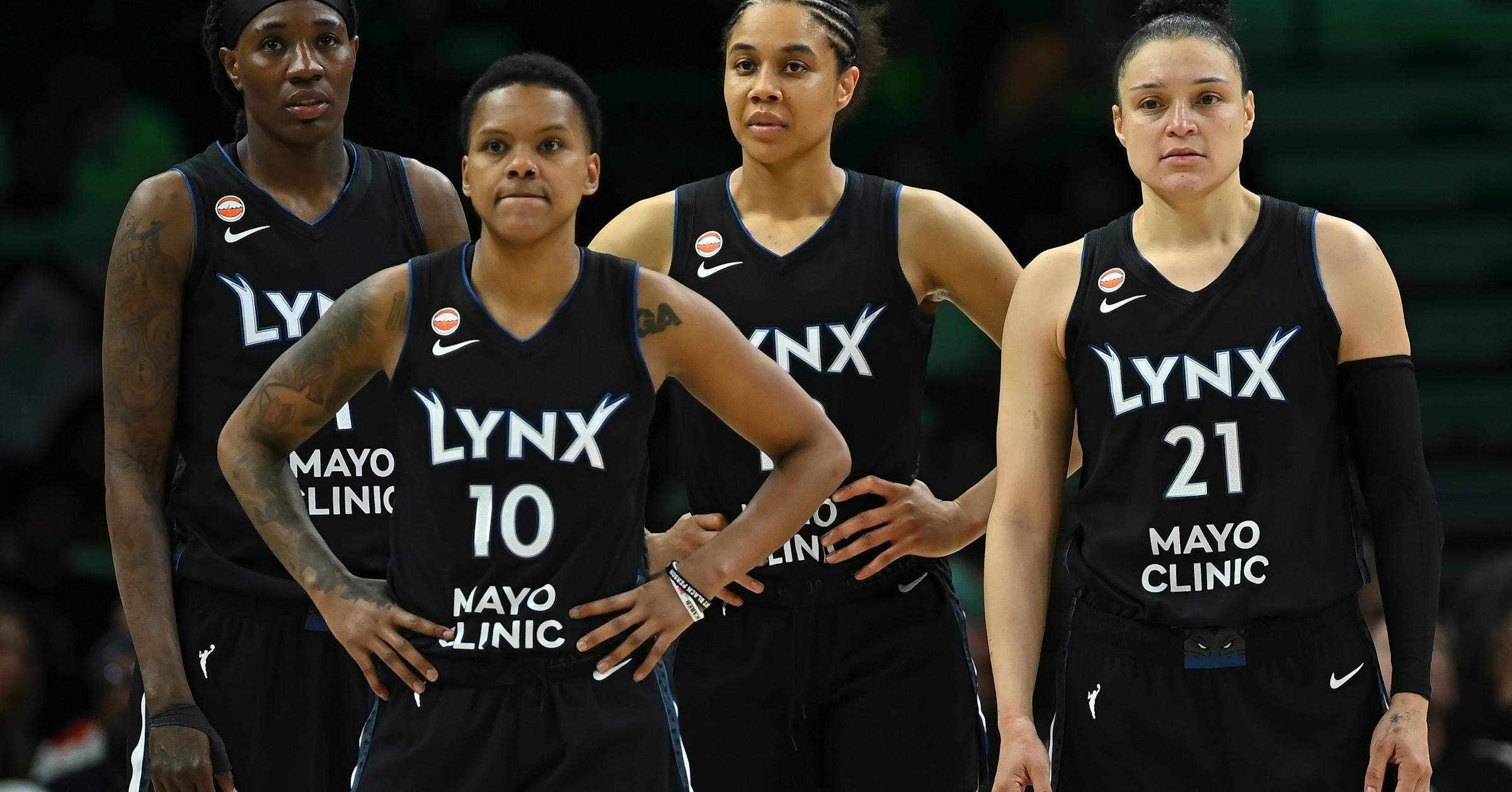
The Lynx opened the season with a 91-90 loss to the Atlanta Dream after blowing a 15-point halftime lead. Atlanta scored 54 points in the second half and won on Te-Hina Paopao’s jumper with 11.3 seconds left. The article is a game recap with no evident direct market-moving implications.
This is a classic sentiment setup where the underlying performance is better than the box score suggests, which matters for positioning in media-driven markets. A one-point loss after leading most of the night tends to create a larger narrative drawdown than the basketball quality warrants, but that also makes the reaction more fragile: the market usually overweights late-game collapse, then mean-reverts once the roster construction story stabilizes. The key second-order issue is not the loss itself but whether the retooled lineup can still generate repeatable half-court offense once opponents force them out of transition.
From a competitive-dynamics lens, the more dangerous implication is depth erosion in the frontcourt. If injuries compress rotation flexibility, late-game defense and foul management become structural liabilities rather than one-off execution errors. That raises the probability of a short-term stumble, but it also increases the likelihood of an early-season underestimation opportunity if public sentiment overreacts to a narrow defeat against a high-variance opponent.
For investor-sentiment themes, this kind of result usually creates a brief “disappointment dip” that is more about expectations reset than fundamentals. The contrarian read is that a team showing competitive balance despite roster turnover is less broken than the headline suggests; the main catalyst is simply whether the next 3-5 games confirm that the new guard core can stabilize close possessions. If not, the narrative shifts from misfortune to structural fragility very quickly, because narrow losses in public markets rarely stay contained when they stack up.
The tradeable angle is timing: the first move is often emotionally driven, while the second move is evidence-driven. That creates a better asymmetry for fading overreaction after the initial selloff in sentiment-linked exposure, but only if the next data point does not confirm a persistent late-game execution problem.
AI-powered research, real-time alerts, and portfolio analytics for institutional investors.
Request DemoOverall Sentiment
neutral
Sentiment Score
-0.10
