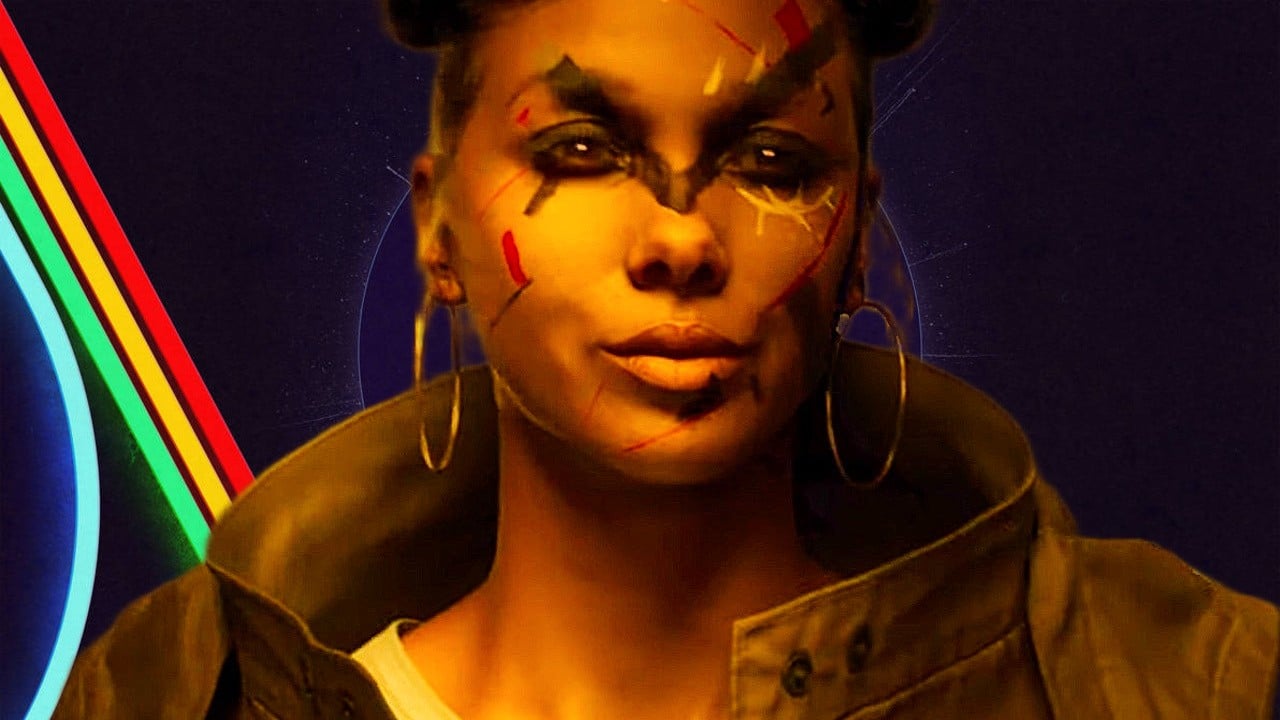
The article argues Sony should avoid reintroducing Fairgames at next month’s State of Play, warning that the enthusiast PlayStation audience could react negatively to another live-service title. It suggests a separate rollout would reduce backlash risk, especially after the Concord fallout and the broader hostility toward multiplayer and live-service projects. The piece is opinion-driven rather than news of a concrete corporate action, so likely market impact is limited.
SONY is facing a reputation problem that is now self-reinforcing: every live-service stumble makes the next one harder to market, which raises the probability that management either over-corrects into first-party single-player concentration or keeps pushing a strategy the core audience already rejects. The second-order effect is not just launch-day backlash; it is lower marketing efficiency, weaker wishlist conversion, and a higher discount rate applied by investors to any multiplayer pipeline coming out of PlayStation Studios. That is structurally negative for the multiple because it shifts the market from valuing Sony on premium content creation to valuing it on execution risk and brand trust.
The near-term catalyst window is the next major showcase cycle, where a poor reveal sequencing decision could create a short, sharp sentiment shock over days to weeks. But the bigger risk sits over months: if Sony keeps spending capex and management attention on a category the audience has mentally screened out, it risks another write-down or underperforming launch that compounds the prior mistake. The market may be underestimating how much this constrains optionality; a bad reception to one game can spill over to unrelated first-party announcements by teaching fans to expect misallocation of resources.
The contrarian view is that some of this negativity is already priced into SONY, and the stock could actually benefit if management handles the reveal off-cycle and demonstrates discipline. If Sony separates the project, the company can preserve the showcase for the franchises that matter most to sentiment and avoid contaminating the event-wide reception. In that case, the issue becomes less about the game itself and more about whether management can show it understands its audience, which would support a modest de-rating recovery.
The biggest tell will be whether Sony leans into prestige single-player messaging at the event and de-risks the live-service conversation elsewhere. If it does, the trade is less about a headline drawdown and more about a slow grind in expectations for the multiplayer slate. If it does not, the immediate risk is a self-inflicted sentiment hit that could pressure the stock for several sessions even absent any fundamental earnings revision.
AI-powered research, real-time alerts, and portfolio analytics for institutional investors.
Request DemoOverall Sentiment
moderately negative
Sentiment Score
-0.35
Ticker Sentiment
