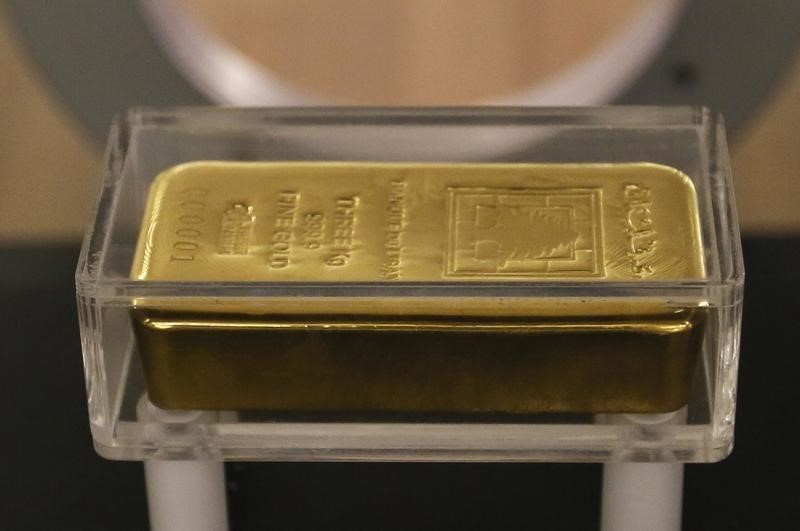
Gold fell 0.6% to $4,720.67/oz and futures dropped 0.9% to $4,743.20/oz as a stronger dollar and hotter U.S. inflation data pressured bullion. March CPI rose 3.3% year-on-year, reinforcing expectations that the Federal Reserve will keep rates higher for longer, while U.S.-Iran ceasefire talks failed and a blockade of Iran’s ports and ships is set to begin at 10:00 ET. The dollar index gained about 0.4% as geopolitical risk and inflation reinforced a broader risk-off move.
This is a classic cross-asset re-pricing where the first-order move is less important than the regime shift: higher geopolitical risk is no longer being rewarded through gold alone because the market is now prioritizing USD liquidity and yield. The key second-order effect is that energy-driven inflation is becoming self-reinforcing; that keeps real rates elevated, which is structurally bearish for duration-sensitive commodities and high-multiple growth assets even if the conflict remains contained. The biggest beneficiary is the dollar versus everything that trades like a real-rate hedge, while the most vulnerable pockets are silver and platinum, which have less monetary bid and more industrial beta. If the blockade meaningfully constrains shipping insurance and routing, the spillover is not just higher oil; it is a broader working-capital shock for importers, airlines, chemicals, and industrials that carry inventory through the Strait-linked supply chain. That effect tends to show up with a 2-6 week lag, not immediately in spot prices. The market may be underpricing the asymmetry around policy response. If inflation keeps surprising higher, the Fed’s reaction function shifts from “cuts delayed” to “cuts off the table,” which matters much more for gold than the conflict itself; the metal can keep drifting lower even if geopolitical headlines worsen. The contrarian take is that gold’s safe-haven premium is already crowded, so unless the escalation becomes directly systemic, the cleaner trade is actually long USD and long energy relative to precious metals, not outright long gold. Catalyst path is straightforward: blockade implementation, shipping disruption data, then PPI and inflation expectations over the next 1-4 weeks. A ceasefire or credible maritime de-escalation would reverse the dollar bid quickly, but absent that, the more likely outcome is sticky inflation and higher-for-longer policy, which keeps pressure on non-yielding assets through at least the next FOMC cycle.
AI-powered research, real-time alerts, and portfolio analytics for institutional investors.
Request DemoOverall Sentiment
moderately negative
Sentiment Score
-0.42
