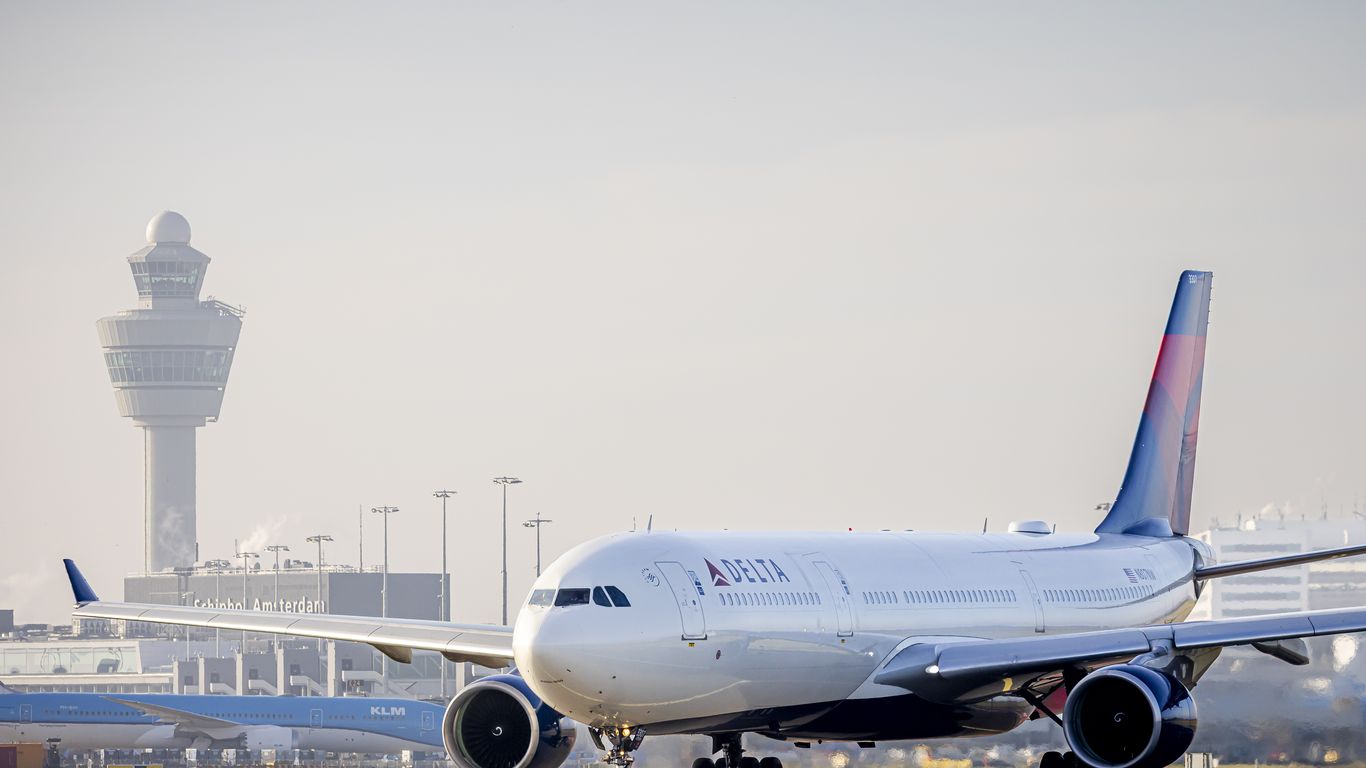
Jet fuel spiked to $4.26/gal from $2.50 before the Iran war (≈+70%), and jet fuel represents >40% of airline operating costs, prompting airlines (e.g., Air New Zealand, Cathay Pacific, Hong Kong Airlines) to add larger fuel surcharges. Major U.S. carriers (Delta, American, United) report record 2026 bookings and demand remains broadly stable, which should partially offset margin pressure and limit immediate, broad-based fare inflation. Expect a sector-level impact on airline profitability and ticket pricing — monitor fuel price trajectory and booking trends for timing and magnitude of fare adjustments.
Travel demand is proving stickier than knee-jerk headlines imply; carriers with flexible ancillary pricing and meaningful corporate/premium mix can pass through cost shocks faster than leisure-only peers. That creates a short window — weeks to a few months — where ticket yields can rise without material load-factor erosion, favoring airlines that can implement targeted surcharges and upsell premium cabins.
Second-order winners include hub airports and cargo operations that can monetize constrained seat/margin dynamics, while ULCCs and asset-light international competitors face margin squeeze if surcharges are applied uniformly or if they lack fuel-hedge capital. Search and booking platforms will see higher click-through volatility and larger ticket-size transactions, which benefits those with strong payment/loyalty integration but pressures take-rates if price sensitivity forces more cancellations and refunds.
Key tail risks are escalation duration and central-bank-driven demand shock; either sustained geopolitical disruption or an unexpected macro slowdown could flip pass-through into demand destruction within 60–120 days. A rapid policy response (fuel releases/ceasefire) or aggressive capacity additions ahead of peak summer demand are plausible catalysts that would erase the current pricing power and compress airline equities quickly.
AI-powered research, real-time alerts, and portfolio analytics for institutional investors.
Overall Sentiment
mixed
Sentiment Score
-0.05
Ticker Sentiment
