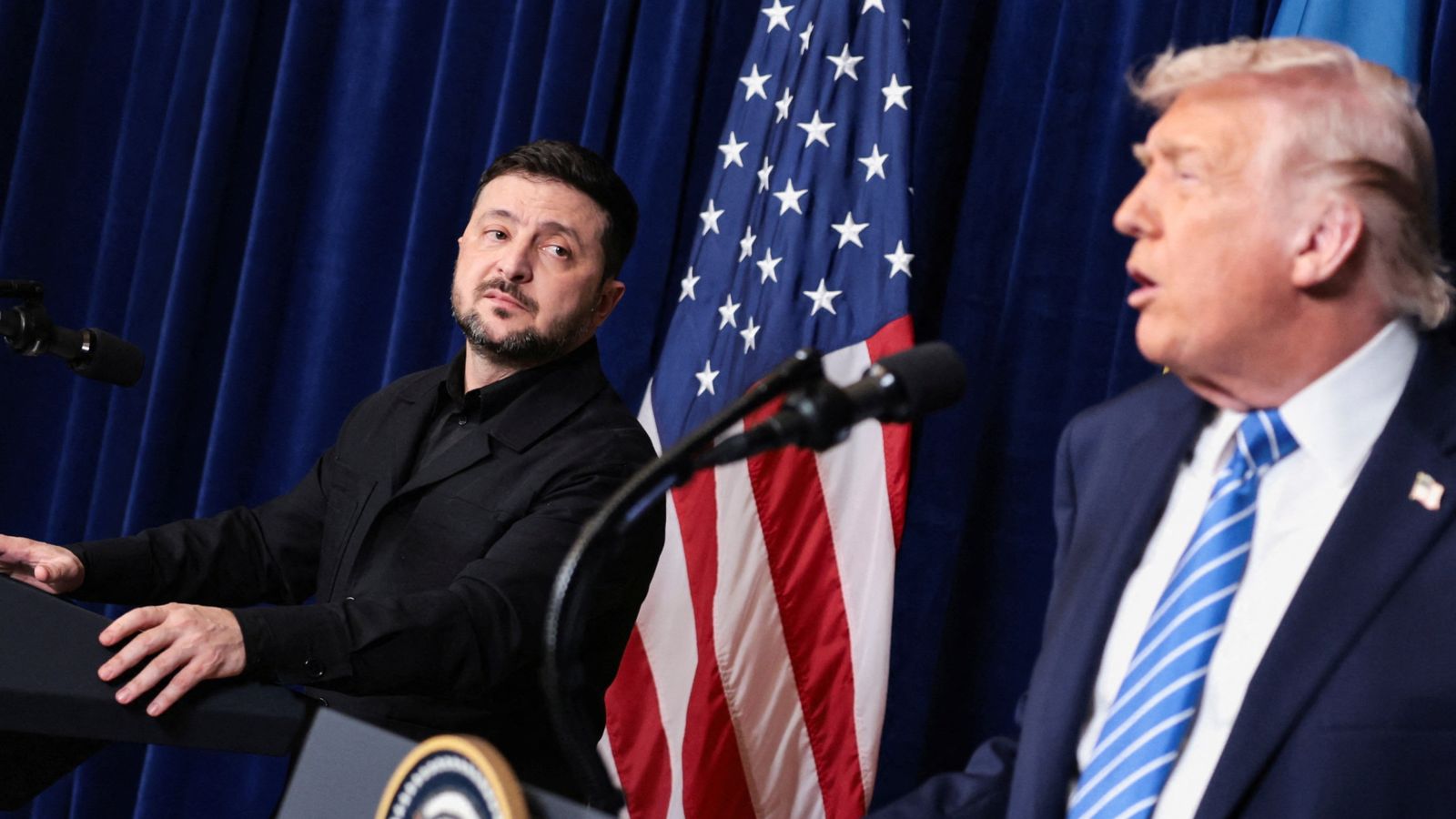
Former US president Donald Trump proposed a 15-year US security guarantee to Ukraine during talks with President Volodymyr Zelenskyy at his Florida resort, a package Zelenskyy said includes monitoring arrangements and partner “presence” and which he would prefer to extend up to 50 years. The plan, framed as a 20-point settlement to be ratified in a Ukrainian referendum, would require a minimum 60-day ceasefire and legislative approval by the US Congress and participating parliaments; negotiators still face unresolved issues including force withdrawals and the status of the Russian-occupied Zaporizhzhia nuclear plant. Putin and Trump spoke ahead of the meeting, with Kremlin claims of a post-talk drone attack that Kyiv denies — underscoring the fragility of progress and leaving geopolitical risk and energy/nuclear tail-risks intact despite potentially de‑risking implications if guarantees were ultimately adopted.
Market structure: A credible prospect of a 15–50 year security guarantee reduces the expected duration of high-intensity conflict, which should pressure back-end defense procurement growth (large-cap defense revenue risk of ~10–25% NPV hit over 2–5 years if force-modernization programs slow). Immediate winners would be commodity/reconstruction inputs (steel, copper, cement) and Ukrainian export-linked agriculture if Black Sea corridors reopen, implying 6–15% downside risk to wheat prices and 5–12% downside to nat‑gas in EU scenarios where flows normalize.
Risk assessment: Tail risks include a nuclear-plant incident (low probability, high-impact) or a political U‑turn in US Congress (medium probability) — assign ~20% chance of collapse of talks within 3 months and ~10% chance of major escalation within 6 months. Hidden dependencies: Congressional approval, Paris meeting outputs (early Jan) and a 60‑day ceasefire clause are gating events; failure to secure those could reverse sentiment quickly.
Trade implications: Tactical trades should be time‑gated to negotiation catalysts. If credible ceasefire is announced within 60 days, rotate from defense into materials/miners and agriculture exporters over 1–9 months; conversely, maintain tail hedges (oil and volatility) in case of deal collapse. Use options to cap downside on defense shorts and to lever upside in reconstruction names.
Contrarian angles: Consensus may underprice the reconstruction wave (2–4 year capex cycle) and overprice immediate peace as a negative for defense—but a negotiated settlement that freezes lines could entrench sanctions and keep energy supply risks elevated, supporting higher oil/gas intermittently. Historical parallel: Balkan ceasefires produced rapid +30–50% rebounds in regional construction and metals within 12–24 months; plan for both a peace‑rally and episodic risk spikes.
AI-powered research, real-time alerts, and portfolio analytics for institutional investors.
Request DemoOverall Sentiment
mixed
Sentiment Score
0.00
