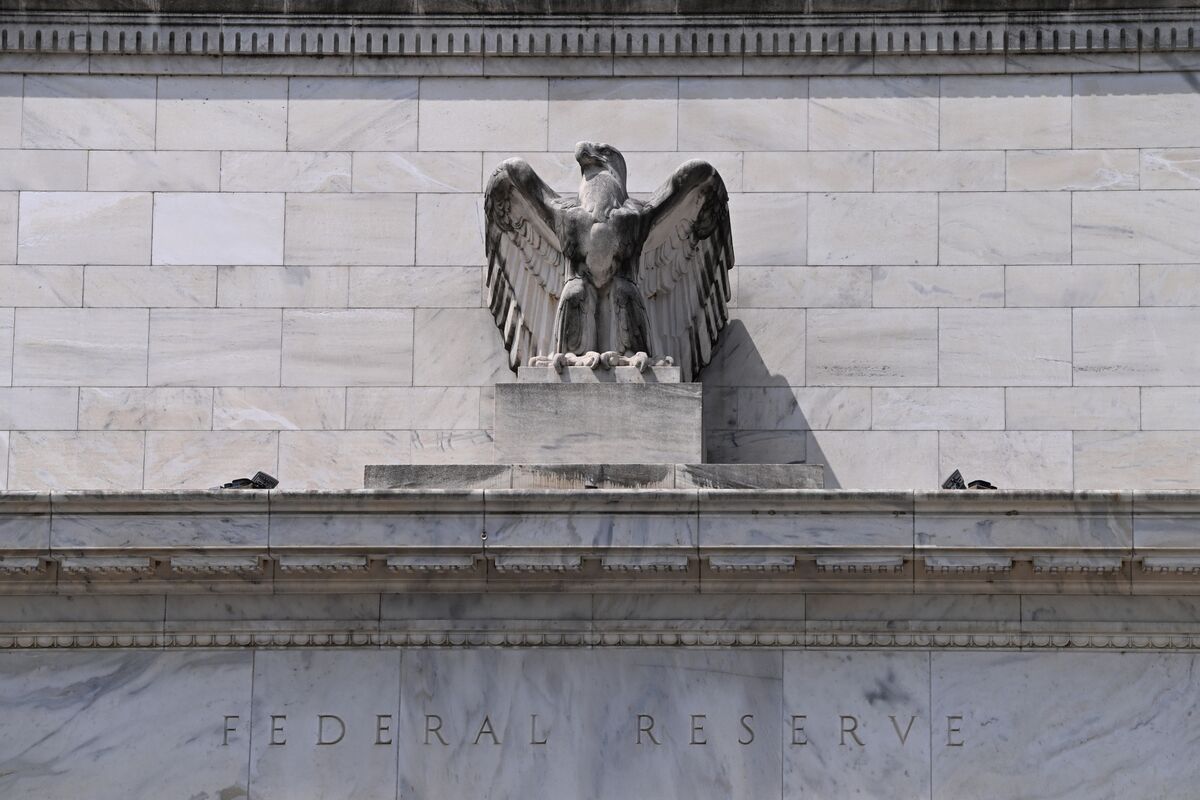
The Federal Reserve has maintained a notable unanimity in its interest rate decisions in recent years, persisting through periods of high inflation in 2021 and significant rate hikes in late 2022. However, this long-standing consensus is now anticipated to break, with dissents likely to emerge among policymakers, signaling a potential shift in the consistency of future monetary policy decisions.
The Federal Reserve's recent history has been marked by a notable period of policy unanimity, which was maintained even during the high inflation environment of 2021 and the subsequent aggressive rate-hiking cycle in late 2022, the fastest since the 1980s. This long-standing consensus is now anticipated to break, with the emergence of dissenting votes among policymakers becoming a likely scenario. This shift from a unified to a potentially fragmented stance on monetary policy introduces a significant layer of uncertainty for markets. The prospect of dissents suggests a divergence of views within the Fed on the appropriate policy response, which could reduce the predictability of future interest rate decisions and signal more contentious policy debates ahead.
AI-powered research, real-time alerts, and portfolio analytics for institutional investors.
Request DemoOverall Sentiment
neutral
Sentiment Score
0.00
