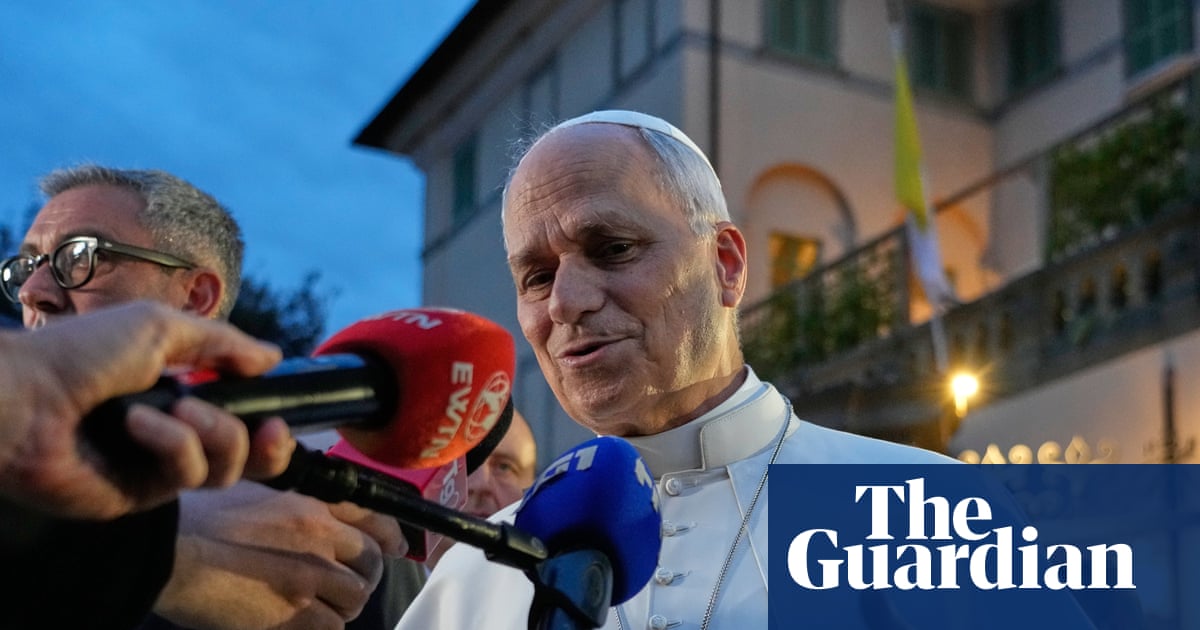
Pope Leo rejected claims that he supports nuclear weapons, saying the church has long spoken against all nuclear arms, after Donald Trump accused him of endangering Catholics over his Iran-war stance. The exchange underscores escalating tensions between the Vatican and the Trump administration ahead of Leo’s planned meeting with Secretary of State Marco Rubio on Thursday. The article is politically charged but has limited direct market implications.
This is less about theology than about escalation risk around a politically sensitive, globally legible institution. When a White House turns a dispute into a personalized loyalty test, it raises the expected volatility of any Vatican-linked diplomatic channel and increases the odds of self-inflicted messaging errors by administration officials. That matters because the Vatican is often used as a low-friction convening point for back-channel diplomacy; a chilled channel raises transaction costs for de-escalation elsewhere, especially on Iran and any issue where European intermediaries matter.
The near-term market impact is not via direct cash flows but via regime uncertainty: more headline risk for defense, energy, and EM FX if rhetoric spills into policy signaling. The second-order effect is on European allies, especially Italy, which can be forced to choose between domestic political optics and transatlantic alignment. If the Vatican meeting produces even a thin statement of continued dialogue, it likely caps the immediate escalation premium; if it is canceled, leaked as hostile, or followed by another presidential outburst, expect a short-lived risk-off impulse concentrated in defense proxies and broader Europe/EM sentiment.
The contrarian read is that the market may underprice the signaling value of the Rubio meeting itself. A disciplined diplomatic channel can reduce tail risk without changing the headline narrative, and that tends to compress volatility after the fact. The bigger medium-term issue is not a one-off feud but whether the administration is showing a pattern of personalized foreign-policy making ahead of the 2028 cycle, which would slowly raise the discount rate on alliances and negotiation credibility.
From a positioning standpoint, this is a volatility event, not a directional macro thesis. The best setup is to own optionality into the meeting and avoid outright risk unless rhetoric worsens materially; the asymmetry favors a quick snapback if the Vatican issues a bland peace-oriented communiqué. Any tradable move is likely to fade within days unless it metastasizes into a broader rift with Italy or the EU.
AI-powered research, real-time alerts, and portfolio analytics for institutional investors.
Request DemoOverall Sentiment
neutral
Sentiment Score
-0.05
