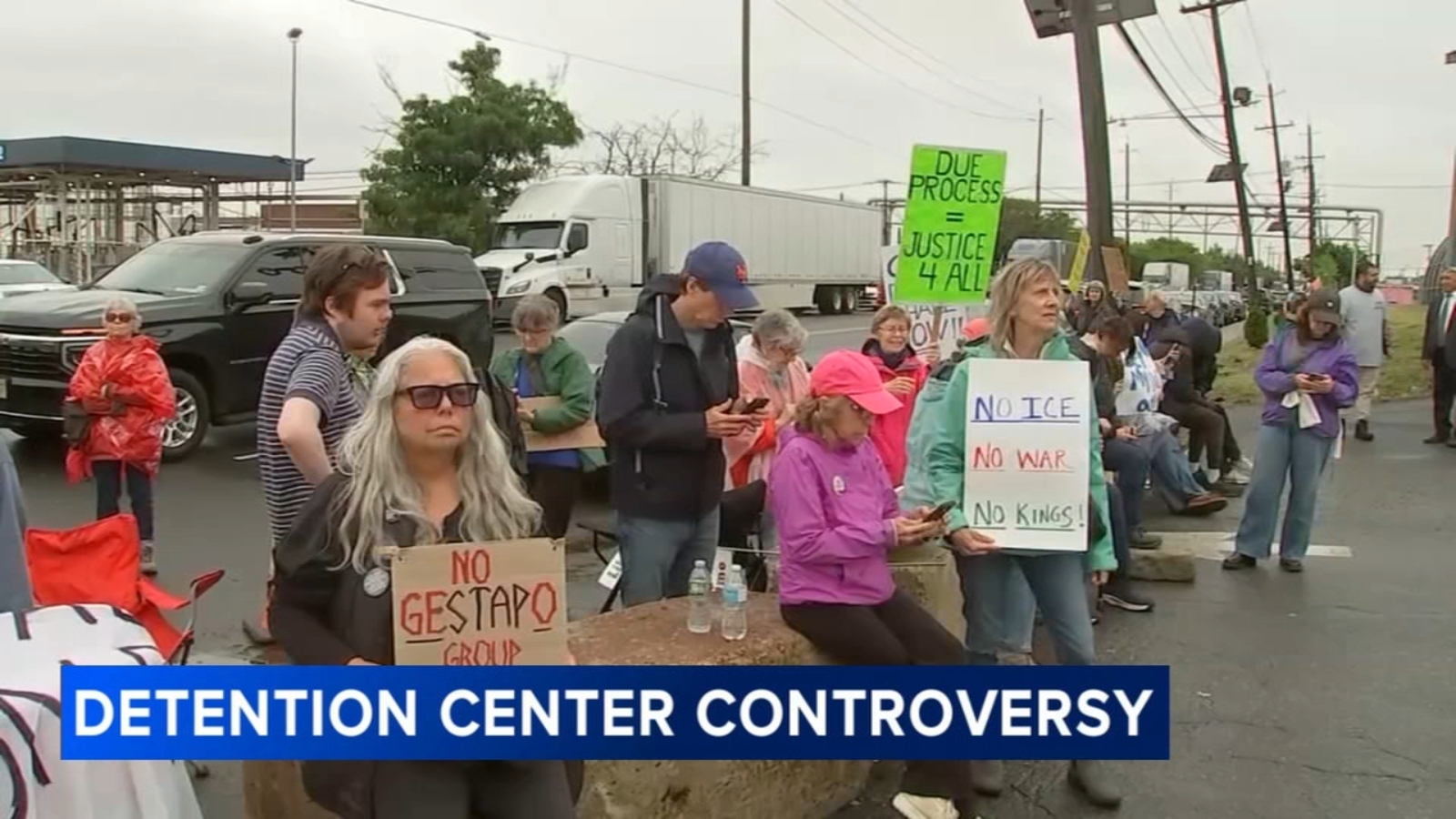
Governor Mikie Sherrill visited Delaney Hall after clashes between protesters and ICE agents, with families alleging canceled visitation, poor food, and inadequate medical care for detainees. The article highlights calls to close the privately run 1,000-bed facility and opposition to opening a second detention center in Roxbury, New Jersey. This is primarily a political and human-rights story with limited direct market impact.
The immediate market read is not about ICE’s core revenue stream, but about margin and duration of controversy. The more the facility becomes a symbol for detention conditions, the higher the probability of legal scrutiny, contract friction, and operating constraints that can slow bed utilization and raise per-detainee compliance costs. For a private operator, the risk is less headline damage than a slow bleed in utilization and a higher probability of missed renewals or tougher terms on future contracts.
The second-order effect is on the broader private corrections / detention complex: if one high-profile facility becomes politically toxic, counterparties will price in more state-level resistance, more inspections, and more litigation around medical care, food service, and access. That raises the cost of capital for operators with prison-like exposure and benefits vendors with less direct custody risk—medical services, commissary/logistics, and monitoring tech—assuming those contracts are not themselves implicated in poor conditions. The time horizon is months, not days: a single protest does little, but sustained state advocacy plus media amplification can affect procurement and renewal cycles.
The contrarian point is that this may be more reputational than financial for ICE. The federal government still has detention demand, and political polarization can actually harden support for enforcement, limiting downside to the agency’s broader policy relevance. The real tradeable signal is whether this becomes a template for state AGs, governors, and members of Congress to pressure operators nationwide; if that spread does not occur, the selloff in the detention theme should fade quickly. The key catalyst is any formal action on facility closure, license revocation, or a documented medical neglect case that triggers litigation or regulatory intervention.
AI-powered research, real-time alerts, and portfolio analytics for institutional investors.
Request DemoOverall Sentiment
mildly negative
Sentiment Score
-0.25
Ticker Sentiment
