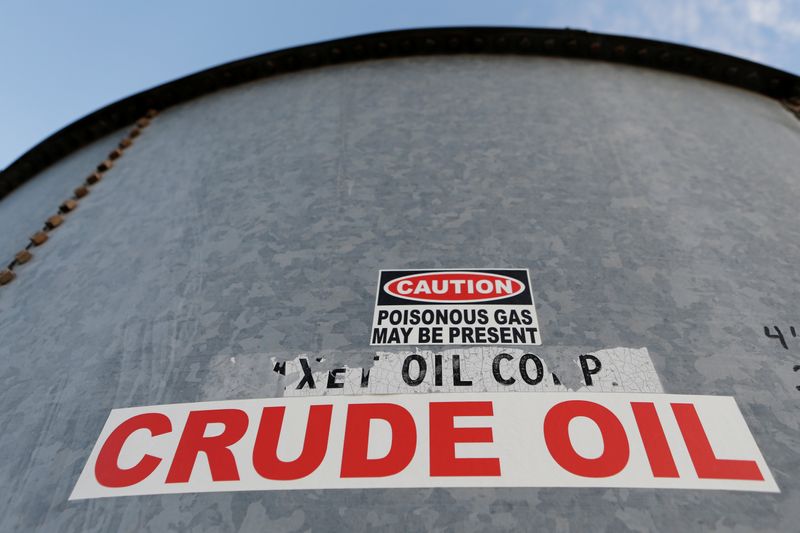
KeyBanc upgraded Murphy Oil to Overweight from Sector Weight and set a $48 price target, citing leverage to higher oil prices and potential catalysts in Vietnam. The firm estimates the $20/bbl move in WTI from its prior outlook could add about $666 million to Murphy’s 2026 cash flow, while the stock still trades below InvestingPro fair value at $39.17 vs $43.87. Recent Q1 2026 results were mixed, with EPS of $0.32 missing the $0.40 estimate by 20% but revenue of $733.55 million beating consensus by 4.22%.
The market is treating this as a simple oil beta rerate, but the cleaner read is balance-sheet optionality: with no hedge book, MUR’s equity is effectively a leveraged call on the next 12-18 months of strip prices. That makes the stock more convex than peers in a flat-to-higher crude regime, especially because the valuation gap versus the group is wide enough that even a modest multiple catch-up can do a lot of the work before production growth fully shows up.
The second-order winner is not just upstream cash flow; it is capital allocation flexibility. If management gets the expected cash inflow while maintaining the dividend, buybacks become the real swing factor because the market usually pays more for shrinking share count than for headline reserve upside. Conversely, any sign that Vietnam timing slips or that oil retraces into the mid-60s would likely compress the multiple faster than earnings estimates fall, since the thesis is built on forward pricing and not near-term realization.
Consensus is probably underestimating how much of this move is valuation, not fundamentals. A name trading below perceived fair value with a high free-cash-flow yield can re-rate quickly when the tape improves, but the move is also vulnerable to reversal if energy breadth weakens and the market stops rewarding single-asset oil torque. The key catalyst window is the next two quarters: if crude holds firm through summer and management reiterates 2026 volume/Capital Return discipline, the stock can trade as a scarcity premium E&P rather than a laggard.
The contrarian risk is that this is the wrong part of the energy curve to chase if the macro trade is already crowded; the better expression may be through peers with more operating leverage but less direct geopolitical exposure, or via options that define downside if oil rolls over. In other words, the setup is attractive, but only if you believe the oil strip stays constructive and the market keeps paying for high-conviction cash-flow visibility.
AI-powered research, real-time alerts, and portfolio analytics for institutional investors.
Request DemoOverall Sentiment
mildly positive
Sentiment Score
0.35
Ticker Sentiment
