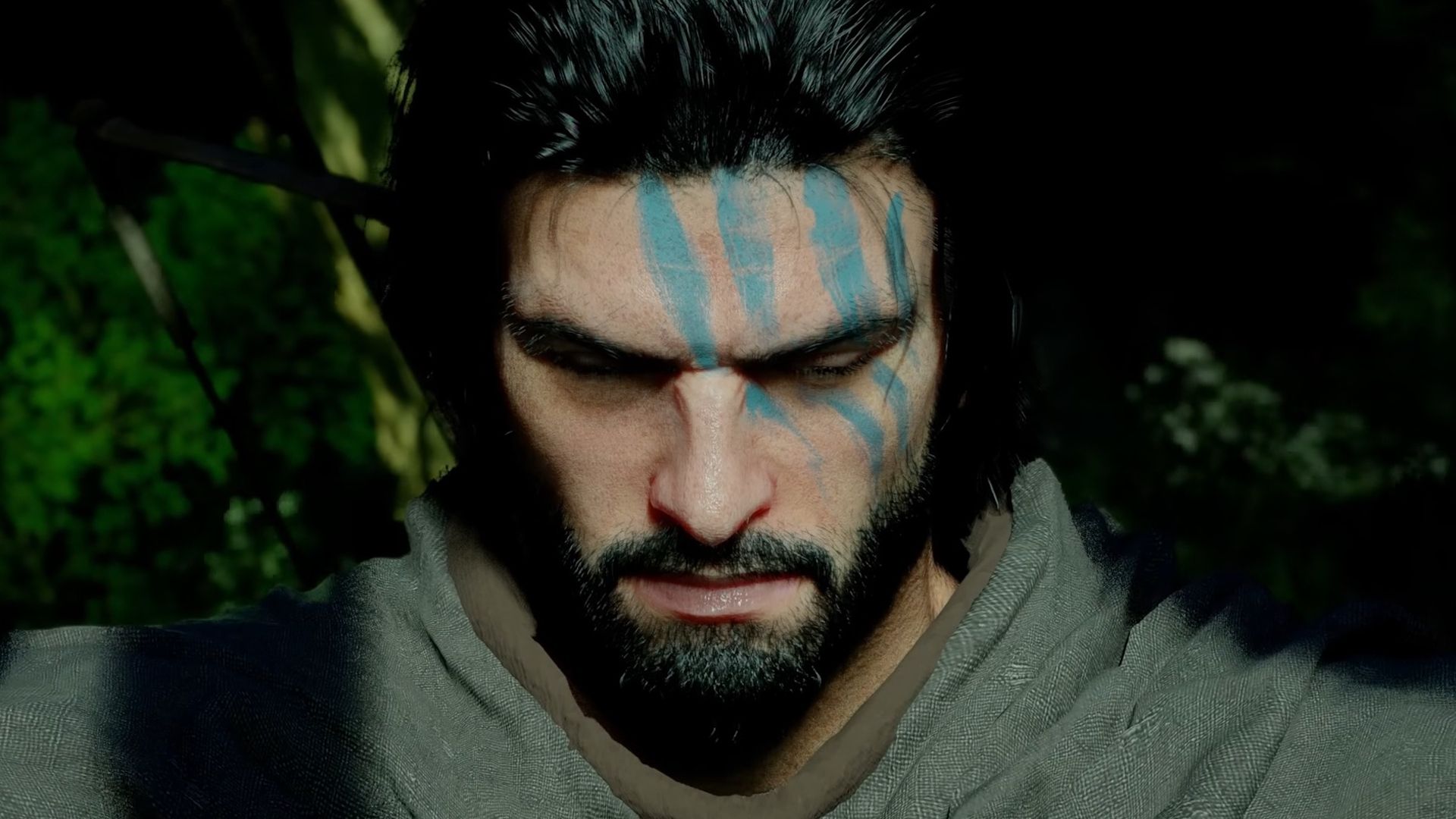
Crimson Desert is still drawing unusually strong engagement five weeks after launch, with a 134,225 peak on Steam yesterday and a prior launch-week peak of 276,261 concurrent players. The article argues this level of post-launch player activity is far stronger than typical single-player games and notes continued support from Pearl Abyss updates, including a major patch last week. While CCU is not the same as retention, the data suggests sustained consumer demand for the title.
The important read-through is not just that the title is still being played, but that Pearl Abyss appears to have converted launch-day demand into a recurring engagement loop unusually fast for a premium single-player game. That matters because the post-launch revenue curve for these titles is usually front-loaded; if concurrency is holding this high, the market is likely underestimating the tail of DLC, deluxe edition upgrades, and long-dated discount-led reactivation. The operating implication is that the game may sustain above-model monetization for several quarters, not weeks, which should matter more to cash flow than headline launch-week sales.
Second-order winners extend beyond the developer. A game that retains meaningful player density supports community content, guide traffic, and influencer coverage longer than normal, which can reduce the marketing spend required to keep the title visible. That creates a stronger funnel for any future expansion or sequel and can also lift platform economics on PC and console through higher engagement, but the clearest near-term beneficiary is the publisher’s ability to recycle this momentum into lower-cost user acquisition for adjacent releases.
The key risk is that concurrency can be distorted by patches, discounting, and fresh content bursts; the current level may reflect a temporary re-acceleration rather than durable retention. The real test is whether activity holds through the next 2-3 update cycles and into a non-holiday weekday run-rate. If the title’s chart flattens but remains structurally elevated, the market will likely have to re-rate the company’s pipeline quality upward; if not, this is just a very strong launch with a longer-than-usual fade.
Contrarian angle: consensus may still be thinking in the old 'single-player = dead after launch' framework, which is increasingly obsolete for premium open-world games with live-service-like cadence. The underappreciated signal is that content cadence, not genre, is becoming the main determinant of post-launch monetization durability. If Pearl Abyss can keep shipping meaningful updates, the title can behave more like a platform than a product, which is a materially better valuation construct.
AI-powered research, real-time alerts, and portfolio analytics for institutional investors.
Request DemoOverall Sentiment
mildly positive
Sentiment Score
0.35
