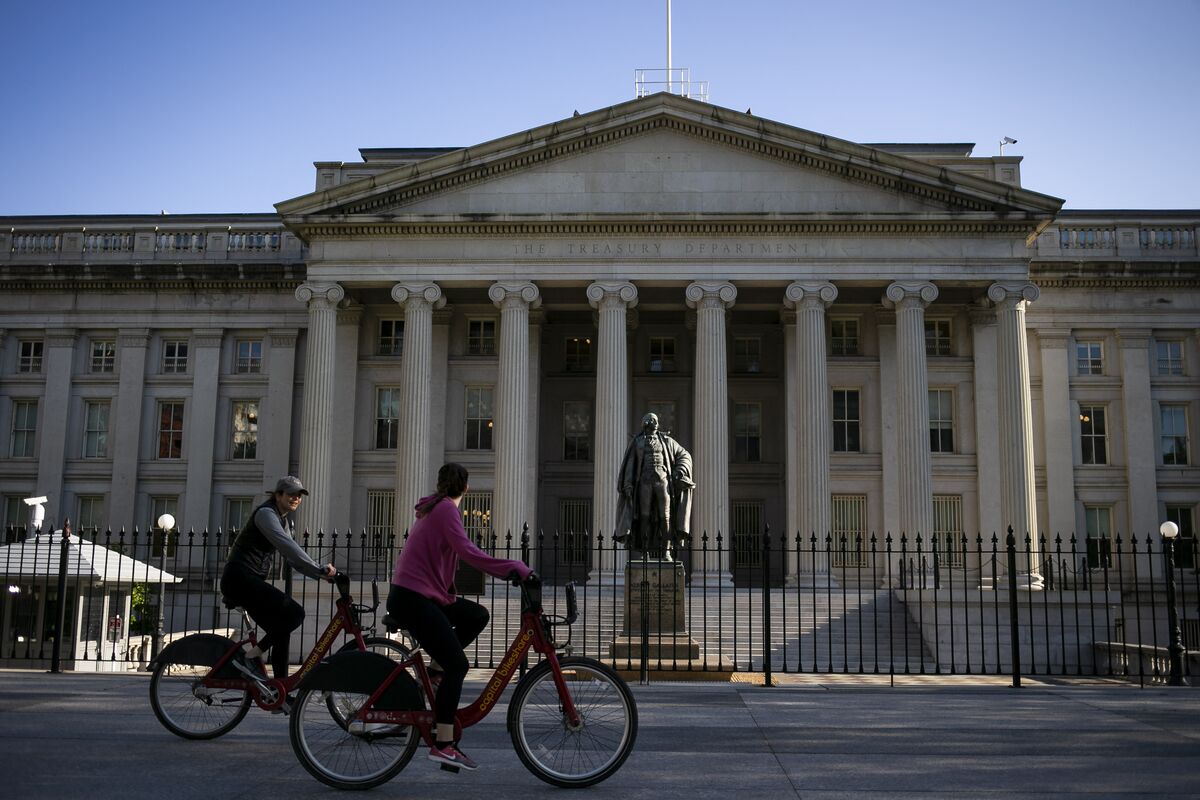
The US Treasury sanctioned Armando de Jesus Ojeda Aviles and multiple associates in a Sinaloa Cartel-linked laundering network that allegedly used cryptocurrency to move fentanyl, cocaine, and methamphetamine proceeds back into Mexico. The action underscores continued US pressure on cartel finance channels and highlights heightened scrutiny of crypto used for illicit cross-border transfers. Market impact is likely limited, but the news is relevant for crypto compliance and sanctions risk.
This is less about one trafficker and more about pressure on the crypto rails that make cross-border value transfer cheap, fast, and hard to interdict. The second-order effect is a higher compliance burden on exchanges, OTC desks, and stablecoin issuers that touch higher-risk flows; over time that tends to widen spreads, raise onboarding friction, and push illicit activity toward smaller venues and privacy-focused tooling. That is structurally supportive for the largest, most regulated platforms relative to the long tail of offshore exchanges, even though the headline is negative for the asset class sentiment.
The market impact is likely modest in the near term, but the catalyst path matters: Treasury actions like this often precede broader typology guidance, wallet-blocking campaigns, and bank de-risking over the next 1-3 quarters. If enforcement expands from named actors to associated addresses and service providers, the incremental cost of moving funds through crypto rises sharply, which can reduce transaction velocity and spot volumes without necessarily changing long-run adoption. The biggest tail risk is that a more aggressive sanctions regime triggers a regulatory overhang on U.S.-listed crypto proxies just as liquidity is already sensitive.
The contrarian view is that this is not a headline that kills crypto usage; it just changes who captures the fee pool. Criminal flow migration usually increases demand for compliance, chain analytics, and custody infrastructure, and that can be a quiet positive for regulated infrastructure names while being neutral-to-bearish for speculative tokens. If enforcement remains episodic rather than systemic, the price reaction in broad crypto beta may be overdone and fade within days; the durable effect would only appear if this becomes a sustained multi-agency campaign targeting fiat on-ramps and stablecoin issuers.
AI-powered research, real-time alerts, and portfolio analytics for institutional investors.
Request DemoOverall Sentiment
moderately negative
Sentiment Score
-0.40
