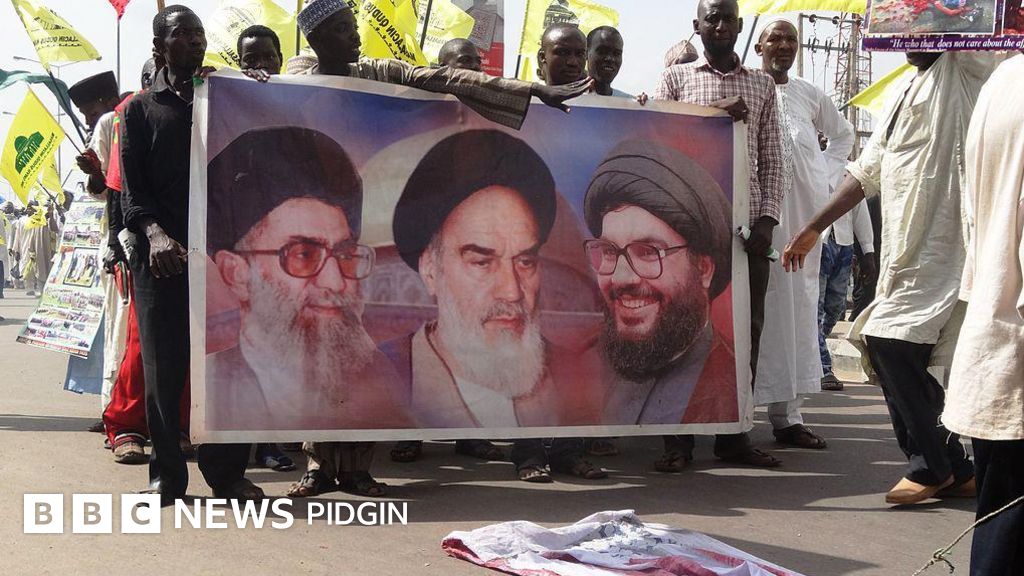
Nationwide protests by Nigeria's Shia minority, led by the Islamic Movement in Nigeria (IMN) and Sheikh Ibraheem Zakzaky, erupted across major northern cities including Abuja, Kaduna, Kano, Bauchi, Niger and Katsina following reports that Iran's Supreme Leader Ayatollah Ali Khamenei was killed in airstrikes. Nigerian authorities have increased security and warned against importing foreign ideological unrest; the IMN — previously targeted by a 2019 Federal High Court injunction — plans further demonstrations. The unrest heightens domestic political and security risks in Nigeria, presenting a localized emerging-markets risk premium for investors with exposure to Nigerian assets or regional operations, though immediate broad market disruption appears limited.
Market structure: Localized Shia protests in northern Nigeria raise political-risk premia for Nigerian assets and for pan‑African EM sentiment; winners are global safe-haven assets (USD, gold) and defense contractors if Middle East escalation persists, losers are Nigeria sovereign credit, NGN FX, and Nigeria-exposed equities/PMIs. Pricing power shifts subtly: marginal buyers demand higher yields on Nigeria Eurobonds (moves of +50–150bp plausible in stressed episodes) and wider EM FX spreads; oil supply impact is indirect but a risk premium could lift Brent by $3–8/bbl on contagion fears.
Risk assessment: Tail risks include rapid spillover to southern oil-producing regions, large sovereign rating downgrades, or sanctions linkages to Iran that trigger capital flight; low-probability but high-impact scenarios could widen NGER spreads >200bp and depreciate NGN >10% within weeks. Time horizons: immediate (days) = volatility spikes in FX and bonds; short (1–3 months) = wider spreads and equity underperformance; long (>6 months) = policy/legal crackdowns could reprice frontier risk premia.
Trade implications: Favor short-duration, liquid hedges: buy USD vs NGN forwards or increase cash USD weighting, add gold (GLD) and buy oil call spreads (BNO or Brent futures calendar spreads) to express risk-premium; reduce direct exposure to Nigeria sovereign bonds and frontier equity ETFs. Use options: buy 1–3 month EEM puts or single-stock puts on Nigeria-listed ADRs only if protests broaden; consider small long positions in LMT/RTX (1–2%) as asymmetric geopolitical beneficiaries.
Contrarian angle: Consensus may overstate immediate oil disruption — historically Nigeria’s north unrest rarely halts southern output, so long-dated oil bullishness could be overdone; conversely, markets may underprice political/legal risk to domestic banks and utilities, creating opportunities to short Nigeria sovereign debt or frontier ETFs more cheaply. Watch 30–60 day containment signals (arrests, curfews) as triggers to tighten or unwind hedges; mispricings likely when NGN moves >7% or Nigeria 5Y CDS >400bp.
AI-powered research, real-time alerts, and portfolio analytics for institutional investors.
Request TrialOverall Sentiment
moderately negative
Sentiment Score
-0.35
